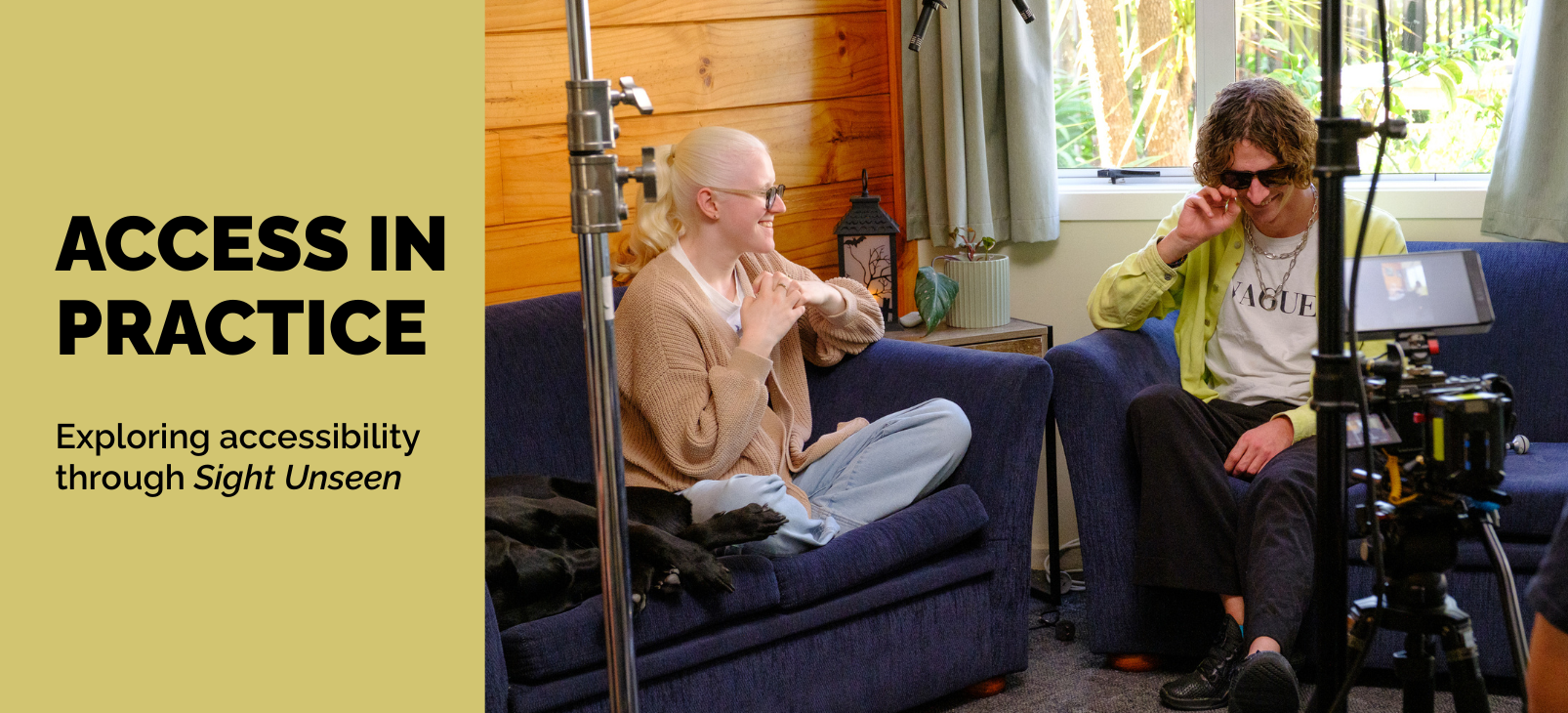
Access in Practice: Exploring accessibility through Sight Unseen

Watching a film or television programme shouldn’t depend on whether you can see every image on screen or hear every word of dialogue. Yet for many Deaf, blind and low-vision New Zealanders, being able to fully experience screen content still depends on whether captions or audio description are available.
Helping close that gap is the everyday work of Able, Aotearoa’s non-profit media accessibility provider. But with Sight Unseen, its first original series, Able had an opportunity to approach accessibility from a different direction, considering access throughout the process of creating the content, rather than only at the finished stage.
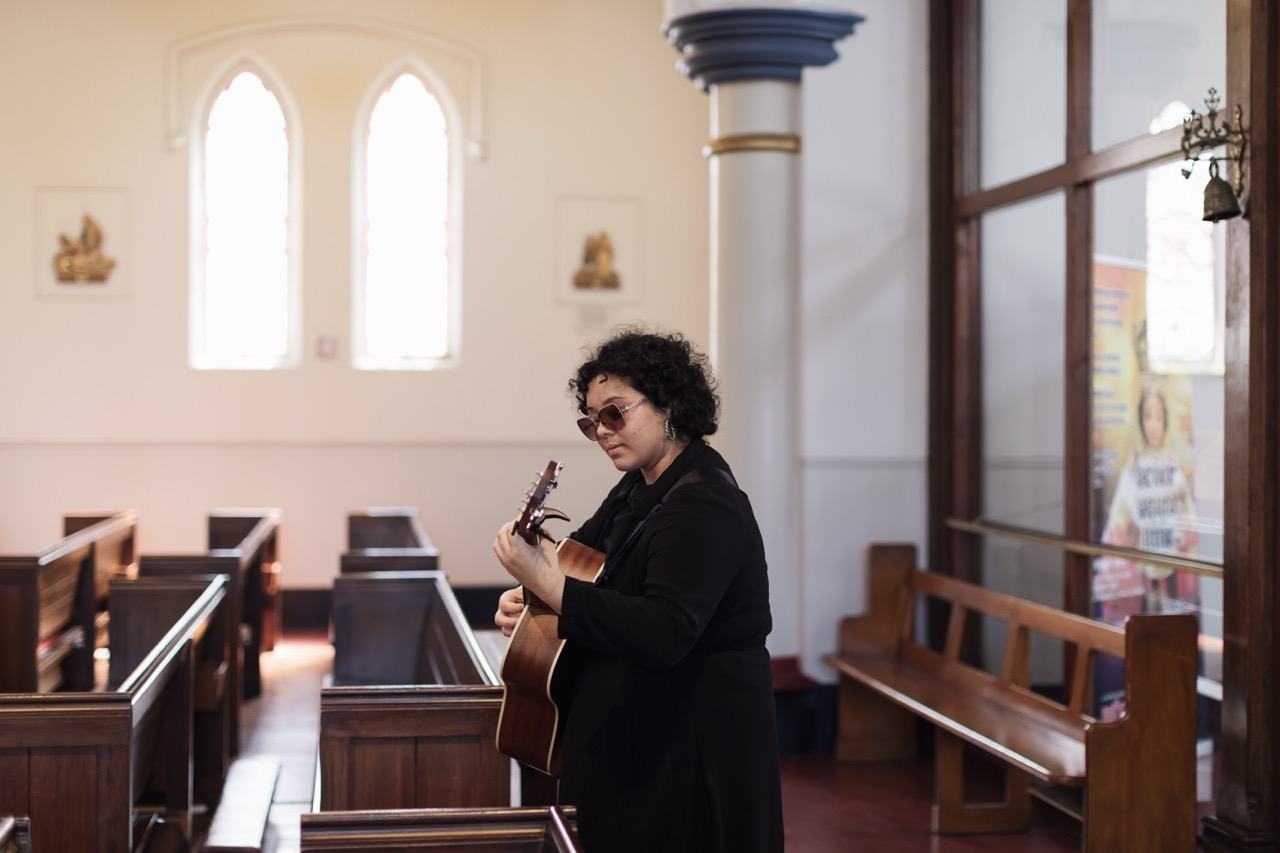
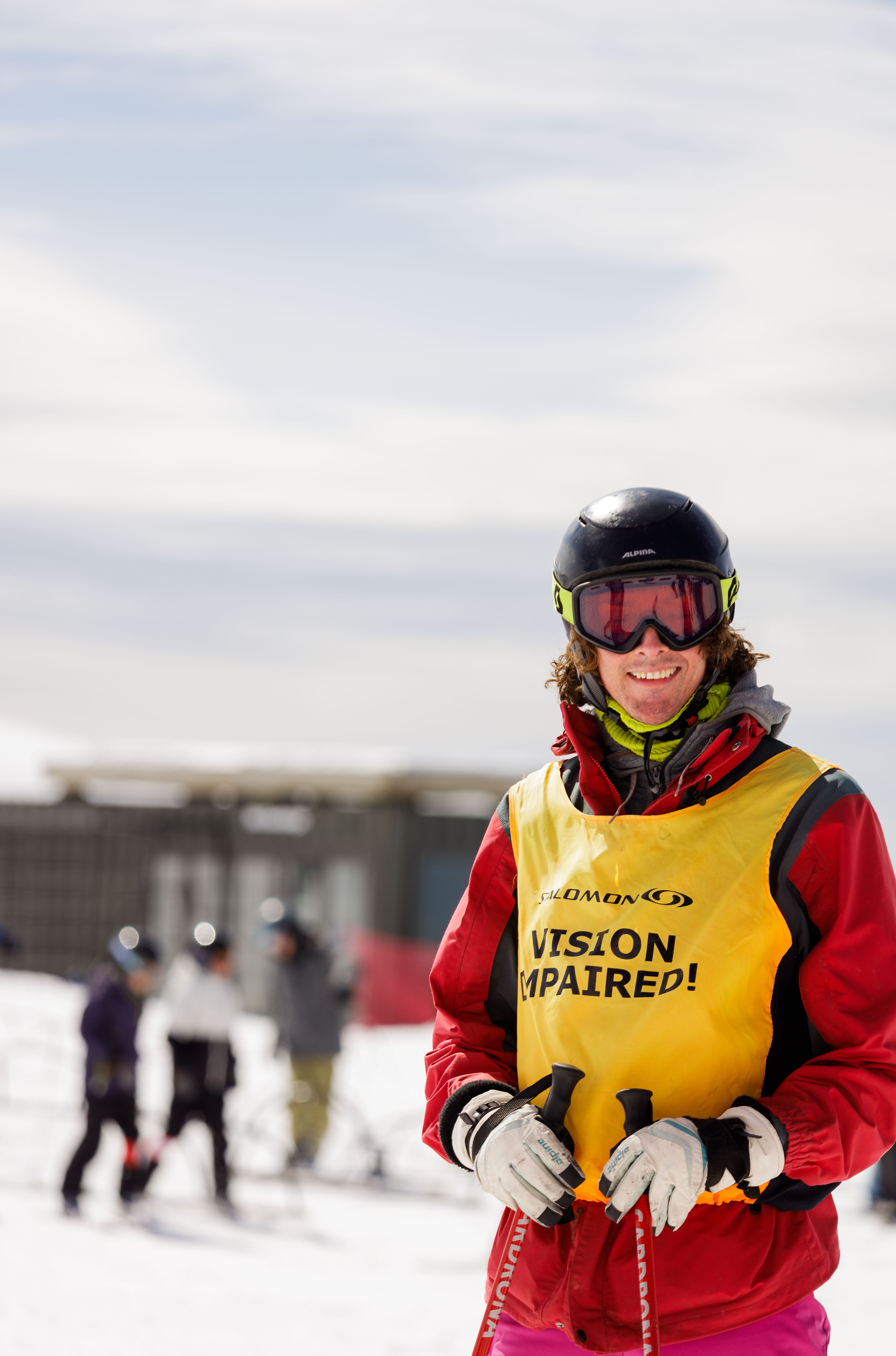
The five-part documentary follows blind and low-vision rangatahi through their everyday lives, from sport and music to study and identity. Behind the camera, it was one of the first productions in Aotearoa to work with an Access Coordinator, while open audio description was built into the series itself and heard by every viewer.
Following our recent Special Feature with Access Coordinator Felicity Hamill, we wanted to look at how that approach worked in practice. We spoke with Able Chief Executive and Sight Unseen Executive Producer Dan Buckingham about accessibility within the production process, and Able’s Audio Description Team Leader Virginia Philp about bringing audio description into the creative process from the outset.
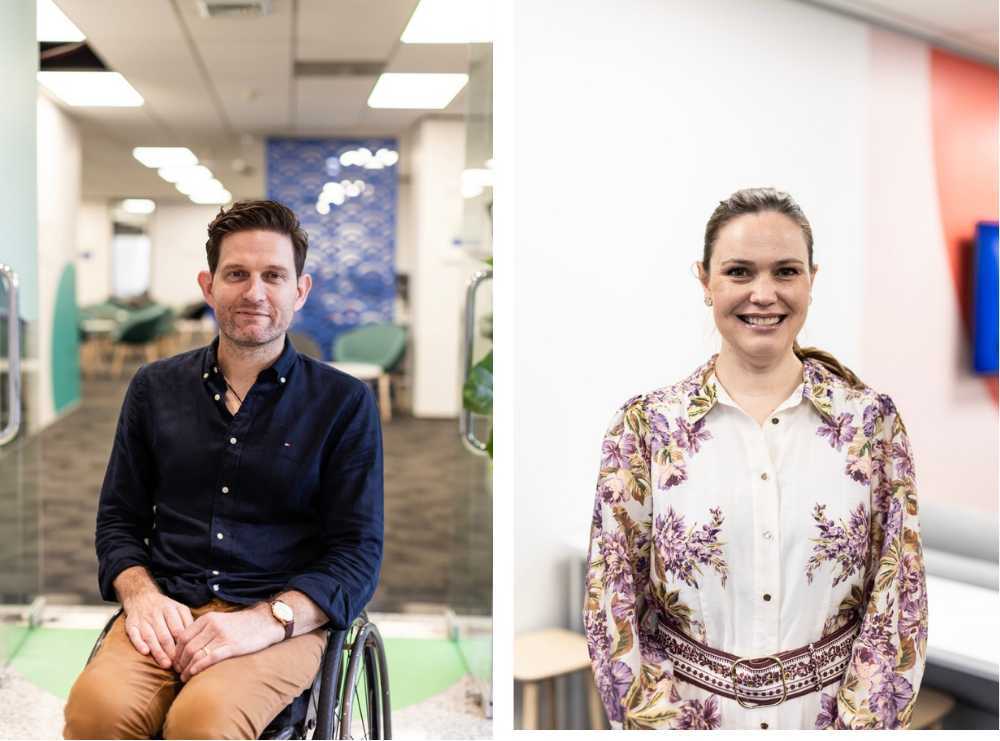
Right: Team Leader- Audio Describers at Able, Virginia Philp. Photo credit: Becki Moss
Building Access Into Production
When Sight Unseen went into production, the Access Coordinator role was still very new in Aotearoa, with the first NZ practitioners having only recently completed the training programme. What did it take to translate that international model into the reality of a New Zealand production?
Yes, I believe Sight Unseen was the first cab off the rank to use an Access Coordinator in New Zealand!
To be honest, I don’t recall having any conversation about how we were going to take the international model and figure out how to make it work here; it was more a simple case of, ‘this makes sense, let’s put it into practice’.
I’d already been across the concept through talking to the Film Commission before people were chosen to be trained, so there was a level of knowledge to start with, but Felicity was very good at conveying how she was going to go about her work and what we might get out of it. From there the main thing was give her the space to do the job.
What stood out for me was that a lot of access coordination is based around good comms. It is asking people early what they need to do their best work, making sure information is provided in a format they can use, identifying potential barriers before they become a thing, and having someone whose job it is to keep an accessibility lens across the production, and be that safe space for people to go to if they have queries or concerns.
As such, I’d say the role felt like adding a layer of good production practice to keep things running smoothly.
Did working with an Access Coordinator reveal anything about conventional production practice that you hadn’t previously recognised as a barrier, even with Able’s extensive experience in making screen content accessible?
There are lots of things in production that become normal simply because that is how the industry has always operated, and when you’re running from production to production there’s not much time to pull back and assess whether there is another way to, say, format of documents or structure schedules, so I think at a high level it was good to be able to think about how we approached our work in a way that was designed for everyone.
In terms of practical live examples of practices that were changed, there was nothing glaringly obvious and there were no wholesale changes, but that’s not to say we didn’t do things differently, and I think it is a sign when change is understated and can embedded iteratively.
Were there any creative or production decisions on Sight Unseen that changed because accessibility was being considered throughout the process?
We were working with blind and low-vision contributors, so things like making sure documents were in formats that worked with screen readers and understanding people’s individual access requirements mattered from the outset.
Creatively, Sight Unseen was built around the idea that accessibility could be part of the storytelling rather than something sitting alongside it, so we leaned into the audio description having a similar level of irreverence as the rest of the series, rather than feeling like a separate accessibility track that had been added afterwards.
I wouldn’t attribute that solely to having an Access Coordinator, because it was part of the original creative idea for the series, but having accessibility considered throughout the production reinforced that philosophy, insofar as we made it part of the work, not an accommodation around the edges.
With Sight Unseen now returning for a second season, what will you carry forward from season one, and is there anything you’ll approach differently this time?
The biggest thing we’ll carry forward is bringing the accessibility conversation in early. Some might say that asking people what they need should simply be part of how you onboard cast and crew and how you plan a production, but having someone with specific responsibility and expertise in that area is incredibly valuable.
Ultimately, I’d like to think the accessibility aspects of the series will almost seem unremarkable, because they have come across as simply what good production looks like.
Making Audio Description Part of the Story
Accessibility on Sight Unseen wasn’t limited to the way the production worked. It was also part of the way the story was told.
What changes when audio description is considered as part of the creative process rather than added to a finished programme?
The main changes were that instead of being provided with a finished piece of media and applying audio description to that, it was a collaborative process between the Audio Describer and the production team with Sight Unseen. The key thing was the AD was factored into the production process – both the editing and the actual programme scripting – from the start of the process. Quite often when we are audio describing media, we find there is not ‘enough space’ in between the programme’s dialogue/narration to include everything we want to say and describe. This was not an issue with Sight Unseen, as the audio description script was factored into the production process. We started with utilising a rough-cut version of the media which could then be tweaked and adapted to fit the full extent of the audio description seamlessly.
For people working in screen who may only know audio description as an accessibility service added to a finished programme, where does the creative work of an Audio Describer begin?
The creative work of an Audio Describer begins as soon as we receive the media we are describing and load it up in our AD software. It is then a matter of using the finished/final version of the programme to identify the gaps in the dialogue and start scripting the essential on-screen action and visual elements which a blind or low-vision user would otherwise not be aware of. The scripting part of the AD process is the most creative and can lend itself to some subjective creativity within some guidelines and boundaries. It is after the scripting is completed that the voicing part of the AD process takes place.
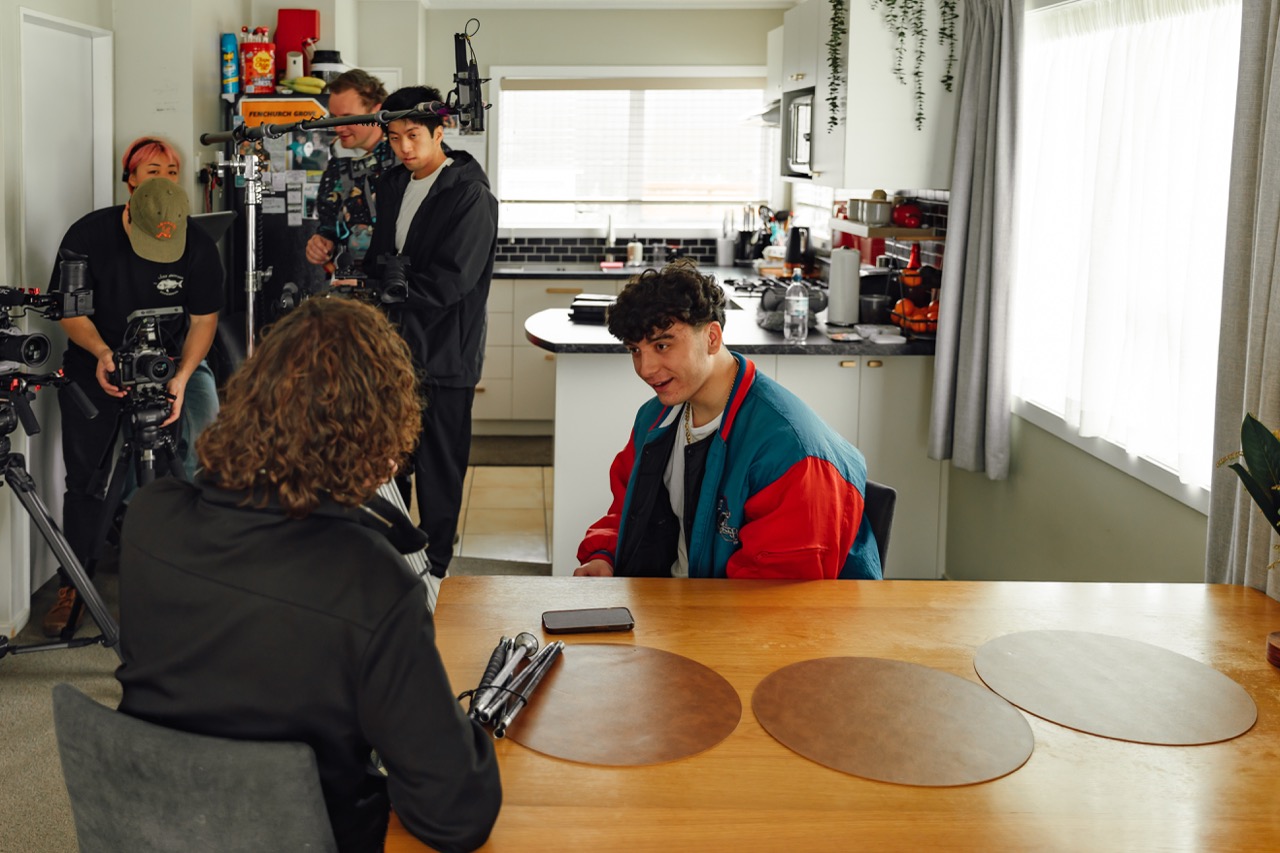
Sight Unseen uses open audio description, so every viewer experiences it as part of the series rather than through a separate optional track. How does that change the relationship between the audio description and the storytelling itself?
The open AD on Sight Unseen means AD can be the ‘hero’ and a unique feature of this series. The open AD means that every viewer does experience the AD – not just our core audience users – and for some, that will definitely be the first time they are exposed to or are aware of audio description. We were very aware the AD was going to be heard by all, and as the series was directed at rangatahi, we wanted to lean into fun/youthful/amusing/progressive language with the AD to fit with the vibe of the series presenter, Ari.
Two Audio Describers can watch the same scene and make very different choices about what deserves to be described. What makes audio description good - and how do you decide what the audience needs to hear and what is better left to the film itself?
This is the beauty of audio description – there is a creative element to the job, and what one Audio Describer chooses to describe or how they describe it is very likely going to not be identical to how another Audio Describer approaches the same description. There can be room for variety, but all approaches to the AD can be equally valid. However, there are guidelines around this, and so when deciding what deserves to be described, things such as characters, locations, key actions do take precedence. ie: before someone in the programme starts talking, a key role of the AD is to indicate who is talking, where they are and what they are doing. These are important visual storytelling aspects a blind viewer needs to know to be able to have a fuller understanding of the programme.
However, it is important that AD does not fill every single gap in the programme’s dialogue; we do not want AD to overwhelm the actual story and content, and we want to ‘let the programme breathe’ and allow sound effects and the soundtrack to shine through and be given their due space, as they are part of the storytelling process as well.
You can watch Sight Unseen Here