Making Screen Work More Accessible

Screen production is built around tight schedules, changing locations, and constant decisions about time, budget and people. In that environment, access needs can sometimes be treated as something difficult to add on, an extra cost, another layer of planning, or something that might slow the day down.
But when access is considered early, it becomes part of good production planning. It helps teams ask the right questions sooner, identify barriers before they become bigger problems, and create conditions where more cast, crew and audiences can participate.
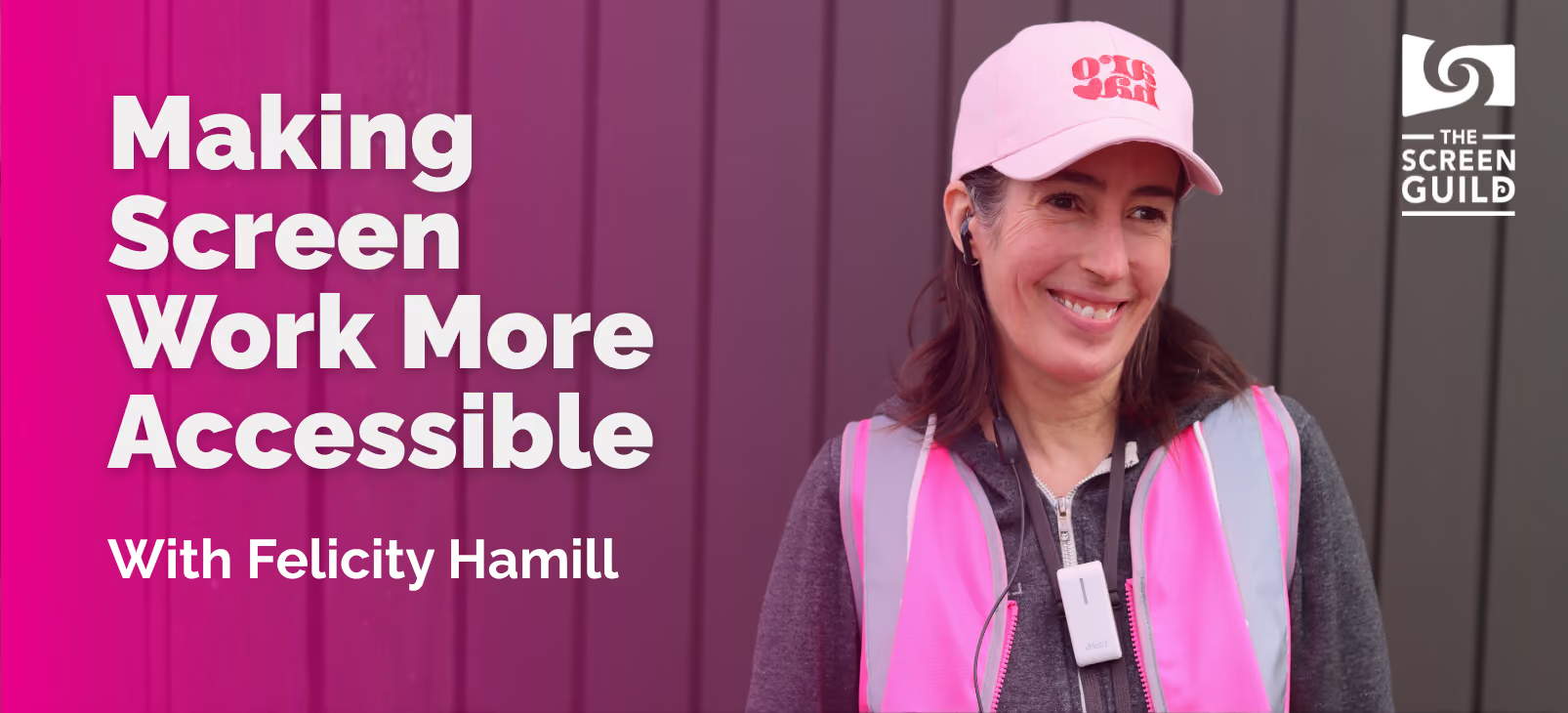
For this Special Feature, we spoke with performer, crew member and Access Coordinator Felicity Hamill about what access coordination looks like in practice, why it matters for productions of all sizes, and how the Aotearoa screen industry can create more space for Deaf, disabled and neurodivergent people on both sides of the screen.
You’ve worked across the screen industry as both performer and crew, from creature work and motion capture to production and on-set roles. How did that journey lead you toward access coordination?
In a nutshell, just as things were getting incredibly exciting in my film career, my health went to absolute sh*t. An avoidable iatrogenic condition meant life as I knew it came to a screaming halt. (Cue the horror music, jarring discordant violins, years of blood and gore and many an epic cry. I cry less these days but do an excellent line in wincing, gasping and dark humour.) I did a lot of patient advocacy when able while bedbound, and when the chance came up to apply for the Access Coordinator training, I saw it as a meaningful opportunity to combine my on-set experience, skills in advocacy and love of film.
I still have an intense passion for performance, especially bringing creature roles to life. These days I make sure to bring my accessibility rider and move differently now; which I’ve silver lining found creates more nuanced subtleties in my work.
For crew or producers who have never worked with an Access Coordinator before, how would you explain the role in simple terms?
The access coordinator brings a combination of lived experience with disability and production know-how to support Film and Television productions as they look to identify and remove barriers to access for Deaf, disabled and/or neurodivergent practitioners within our Screen Sector.
The role brings a skillset that can shine a light on each touchpoint of production where accessibility of your processes and final product can be improved. Coordinating with the team to bring together all pieces of the puzzle and connecting you with appropriate experts when needed.
It’s a practical, affordable tool towards more equity and representation; and understanding why accessibility matters in our sector.
What kinds of barriers can disabled, deaf and/or neurodivergent cast and crew face on productions, especially the ones that might not be obvious to others?
Personally, I think one of the biggest barriers is getting in the room to start with. Historically, our sector hasn’t been that great at representing DDN in an authentic way in front of, or behind the camera. Opportunities have been scarce and sometimes clumsy or insulting. However, change is happening and it’s important, because having that shift in mindset within our sector brings fresh talented creatives to an industry that has done things a certain way for a very long time.
Barriers faced can be physical, environmental, practical, digital, financial and attitudinal.One example a production might be surprised by, is how inaccessible their social media, marketing, series or final film might be.
Picture this: during pre-production, you proudly share via your social media channels, a beautifully edited cast announcement for your film, which displays text across a screen with a stunning sound score backing. However, if no written description is provided below, or no audio description, alt text or narration accompanies the edit, to many blind viewers the announcement simply reads as a piece of music. And yes, blind people do watch movies. Imagine how frustrating when trying to enjoy updates about your favourites.
It’s a different but similar story when no captions are available; affecting not only many Deaf viewers, but anyone who utilises captions daily e.g. those experiencing sensory overwhelm or caregivers wanting to watch with the sound turned right down. Often, a few tweaks are all that’s needed and your creation can be enjoyed by more viewers.
At what stage should a production think about access needs or bring an Access Coordinator into the process?
The earlier the better. I think there is huge value in bringing an AC into the space during development as they can support best intentions going forward and flag any issues early on. Much easier to implement plans early with follow through into pre-production, rather than retrofit once production is well underway. Saves on time and money all round.
Are there any small or low-cost adjustments that can make a big difference for cast or crew?
Yes! There are loads of adjustments you can do straight away.
Here are some freebies…
1. Ask the access question
Add an accessibility dropdown e.g.: “Do you have any accessibility requirements?”
This can be used for cast and crew onboarding processes, screenings, film festivals, conferences etc, supporting all involved and avoids the ‘othering’ of DDN entrenched in many practices.
2. Quiet zone
Assign a designated accessible area as a ‘Quiet zone’ where able. (Not for work calls!) This creates a non-judgemental calm space to catch your breath and reset. Speaks to supporting good physical and mental health for all members of your team.
3. Casting
Ensure casting calls include agencies that represent DDN talent, not only when a storyline calls for disabled characters. This widens opportunities for DDN performers and unearths new talent.
You’ve spoken before about the pressure in this industry to appear “tough” or not disclose access needs. How can productions create safer ways for people to share what they need?
I think it’s simply about dropping any facade that we need to be seen as some sort of ‘superhuman’. We often work very long hours, under what can be intense pressure. Burnout is very real in our sector, and the industry can learn so much from DDN cast and crew in terms of creating healthier and more sustainable working environments in general.
These days I prefer to use the term ‘discuss’ or ‘share’, rather than ‘disclose’; as to me disclosure speaks of the need to keep a secret, and there is no shame in being human. By bringing an Access Coordinator onboard, you are automatically signalling to your entire cast and crew, this is a supportive space, and we are here to enable each other to do our best mahi.
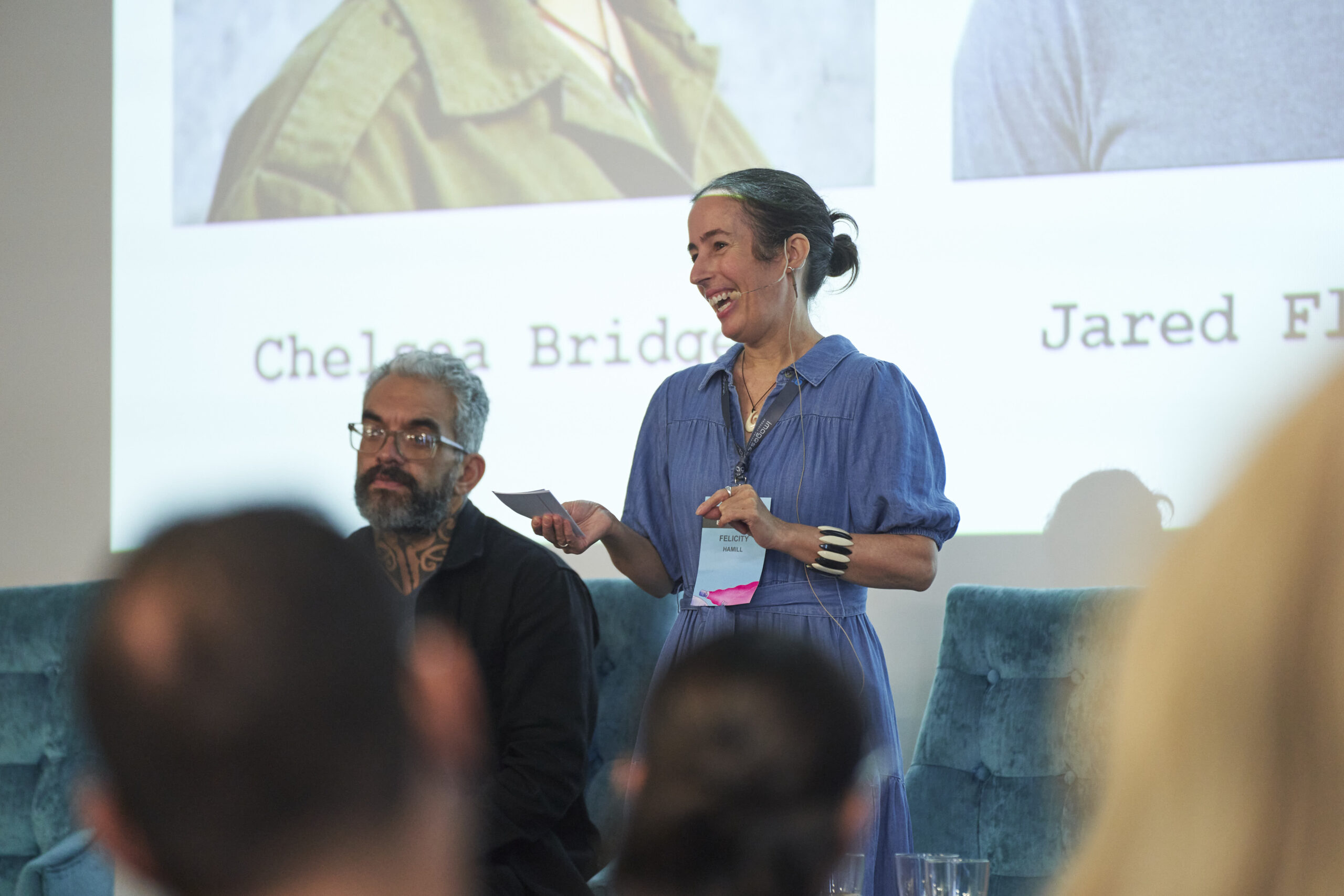
How does an Access Coordinator work alongside producers, production managers, HODs and AD teams without slowing the production down?
Ooofff…the wording of this question can hit hard for some of us in our community. However, it is an incredibly important example to shine a light on some outdated models of thinking in our industry.
By necessity, DDN are excellent problem solvers. Engaging an Access Coordinator will in many ways help your team to be more effective. What they learn about creating accessibility across an entire project can be taken from one production to the next. It’s the same as bringing on any new coordinator. We work with producers, sit in on HOD meetings and offer support where appropriate.
I also challenge productions to flip the concept on its head: poorly accessible worksites, films and television shows slow the DDN community down, so I’d honestly be more worried about losing out on untapped talent and potential audience numbers.
What are some common misconceptions about access coordination or access requirements in the screen industry?
Myth: Access Coordinators are only needed on shoots with known DDN.
Fact: An AC brings positive benefits to all productions.
Myth: That hiring an Access Coordinator is expensive.
Fact: Hiring an Access Coordinator for an initial 3–5 days can affect lasting change. It’s a solid investment that can help you secure a diverse team and a wider audience – you might find you want to keep them for the entire shoot!
Myth: DDN cast and crew only want to work on shoots that include disability storylines.
Fact: Shockingly, we as a community have more interests than our disability. (Wry grin.)
What would you love to see change in the Aotearoa screen industry over the next few years when it comes to access, inclusion and representation?
More access. More authentic storytelling. More DDN cast. More DDN crew.
For me it comes down to simply putting ourselves in someone else’s shoes and being proactive about learning simple tools to create change.
All of us can benefit from accessibility, whether you’re disabled or not, so it’s helpful to shift from fear-based thinking to logical solution-based thinking. It just makes sense to look at life with an access first lens.
No single production is going to get everything right and that’s ok. It’s being open to understanding and giving it a go that matters.
I often ask this of anyone in our sector still struggling to understand why accessibility matters: “If acquiring a disability meant you were suddenly unable to access your work in film, or access viewing your favourite films or tv series; what would that mean for you? Might you still like to be working in a sector you love and watching what makes you vibe with all the feels?”
We all want to work, watch and create magic.
Let’s go. (Smiles and winks.)
For more information about Felicity’s work, or to discuss how access coordination could support your next production, visit www.felicityhamill.com.