Ayrburn Screen Hub: From Location to Production Base
With approval now in place, Ayrburn Screen Hub is one step closer to reality. We spoke with Lauren Christie about the vision behind the project and what comes next.
Published on:
July 30, 2026

The approval of Ayrburn Screen Hub marks one of the most significant investments in New Zealand’s screen infrastructure in recent years. Planned for the Queenstown Lakes District, the development aims to create a purpose-built production base combining sound stages, workshops, accommodation and supporting facilities in one location.
To learn more about the vision behind the project, what it could mean for productions and regional crew, and what comes next, we spoke with Lauren Christie - General Manager - Queenstown at Winton, about the vision behind Ayrburn Screen Hub, what it will offer productions, and what the project could mean for the future of screen production in the region.
Ayrburn Screen Hub is being positioned as more than just a collection of soundstages. In practical terms, what will the full hub offer a production arriving in the region?
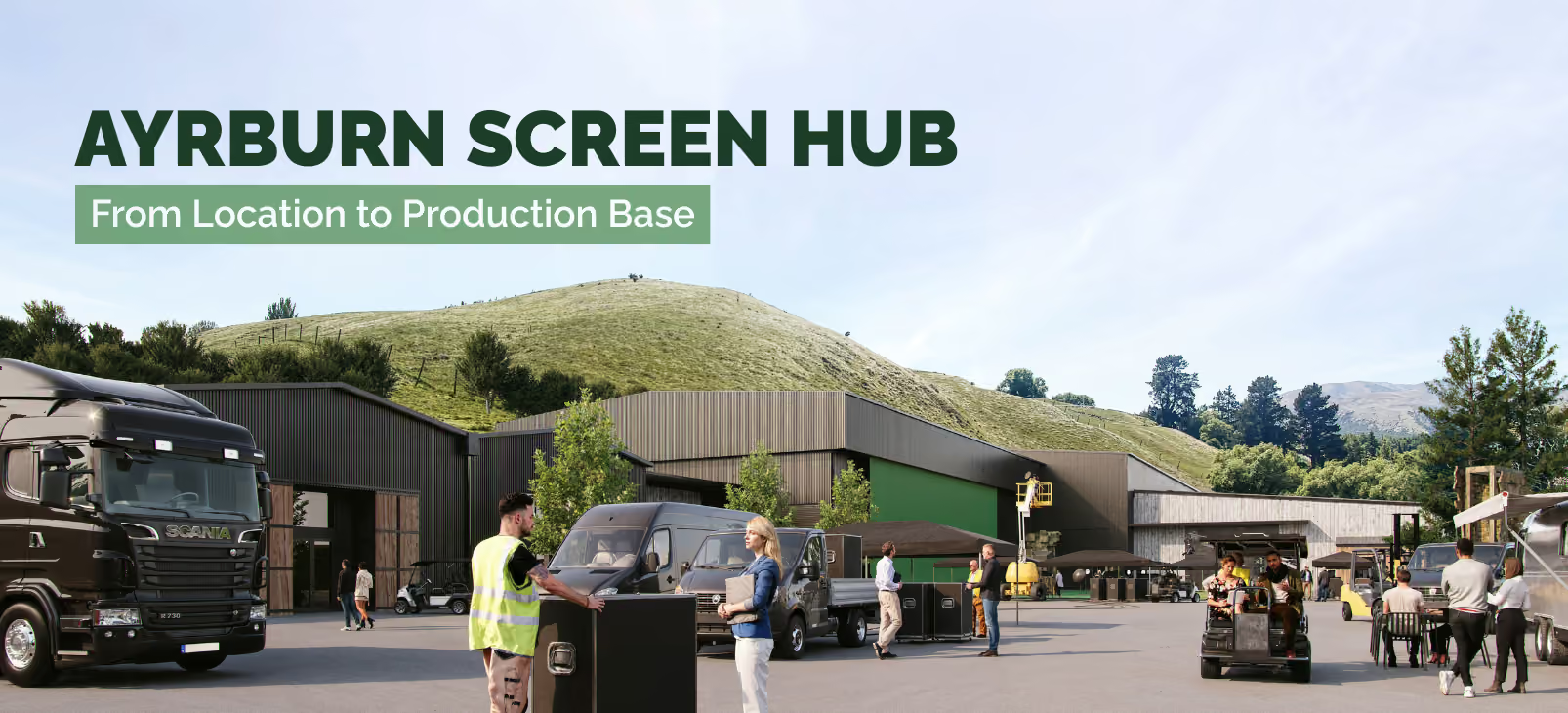
When a production arrives, they don’t just need a space to shoot in, they need somewhere to run the entire operation.That’s what we’re building. Two full stages, but also workshops for art, wardrobe, rigging, stunts, effects, construction, and prop and steel fabrication - everything that keeps a shoot moving.
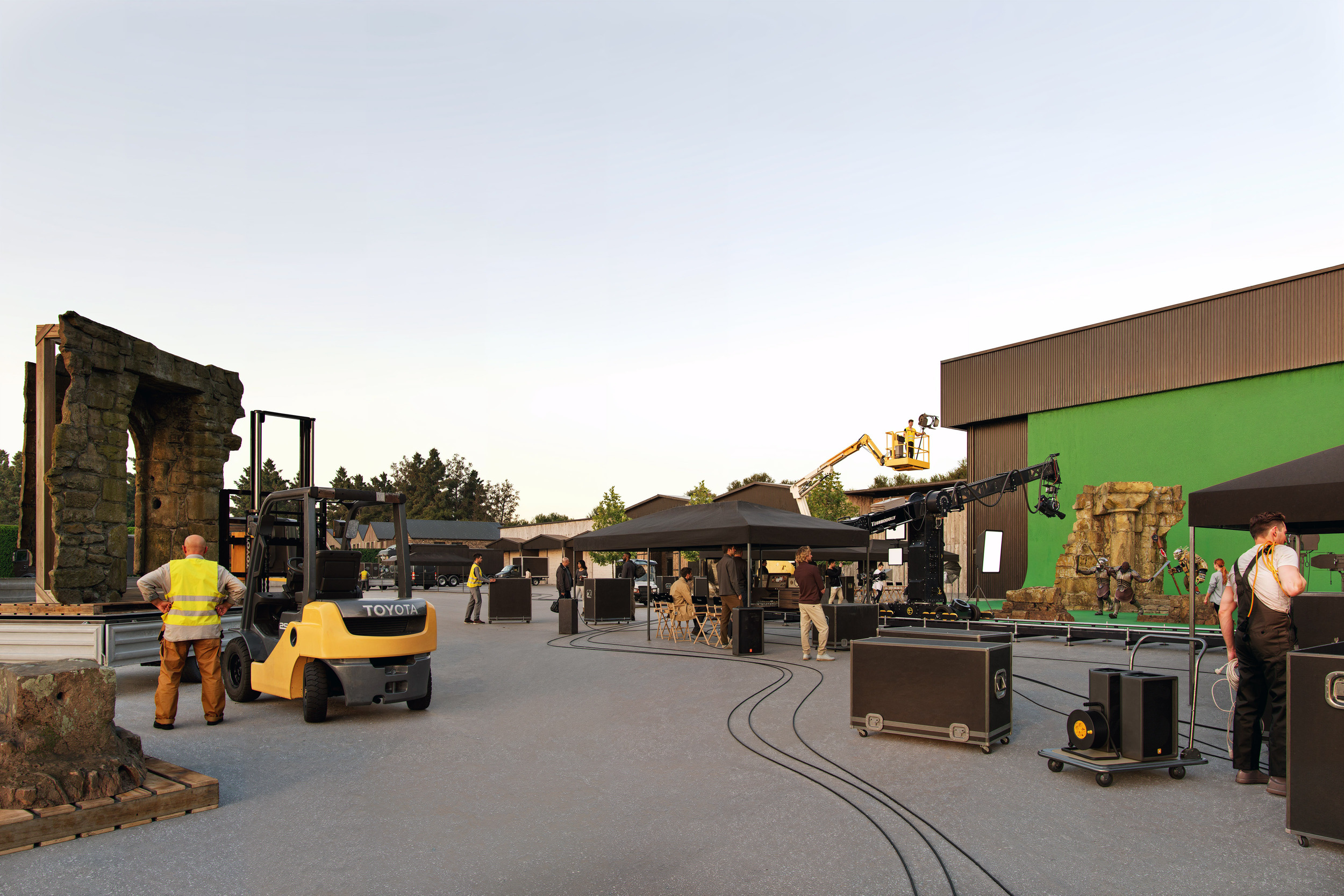
There will be offices that can scale up or down with the size of the production, dressing rooms, rehearsal space, and a large flexible backlot for outdoor sets, green screens, vehicles and catering. Alongside that, we’re providing 201 accommodation units, including suites that can be used as screening rooms, a gym and wellness centre with a pool, and five restaurants already next door at Ayrburn.
A production will be able to arrive, base its whole crew here, and get straight to work. And if two productions need to run at the same time, we can divide the site so they operate independently.
Queenstown has never struggled to sell itself visually. What has the region historically lacked behind the camera, and how is Ayrburn designed to close that gap?
The scenery was never the issue. This part of the country sells itself the moment a camera points at it. What we've been short on is everything that happens off camera. Productions come, shoot the exteriors, and then have to pack up and travel back to Auckland, Wellington or overseas to finish in a studio, because there isn't one here.
There's been no stage for wet-weather cover, nowhere to base offices and workshops, and nowhere near enough accommodation. That's the gap we're closing. Before long, a production will be able to complete the whole job in one place rather than leaving a large part of its budget somewhere else and providing logistics and coordination benefits.
Now that the project has received approval, what are the next major milestones before Ayrburn Screen Hub becomes operational?
Approval was a major step, but there's still a good deal of work between here and opening. We have detailed design to finalise and a range of management plans to have signed off before construction can begin.
The accommodation component is a significant part of the development. Was that always central to the concept, or did it become clear that a Queenstown-based screen facility would only work if accommodation was addressed at the same time?
It was central from the outset, and it grew as the concept developed. You can't run a screen facility in Queenstown and treat accommodation as an afterthought, because it's one of the real constraints here. Beds are tight, and we kept hearing the same experiences – crews spread across the district, production offices set up in hotel conference rooms, and budgets stretched by short-term rentals.
So we've placed the accommodation in the centre of the site, next to the studios, because the two genuinely depend on each other. A producer needs certainty, before they commit, that their crew will have somewhere to stay. That assurance is a large part of what makes the facility work.
What kinds of productions could Ayrburn realistically help attract, retain for longer, or service more effectively than the region can currently?
A broad mix, which is the point. Local TV drama, productions for the major international streamers, home-grown feature films, large offshore films, and TV commercials. In a strong year you might see a domestic drama series, a telemovie, an offshore-financed series, a major international film and a run of commercials all moving through.
The most significant opportunity is the large international shoot, the kind that currently films the exteriors here and then takes the rest of the production elsewhere. With stages and accommodation on site, there's no longer a reason for them to leave part-way through. And it isn't limited to film and television; game studios and cultural institutions producing digital work also need studio space from time to time, so there's room for them as well.
There is a long-running tension in Otago between protecting landscape character and enabling development. How has the design responded to a location where the landscape is part of the region's identity, not simply a backdrop?
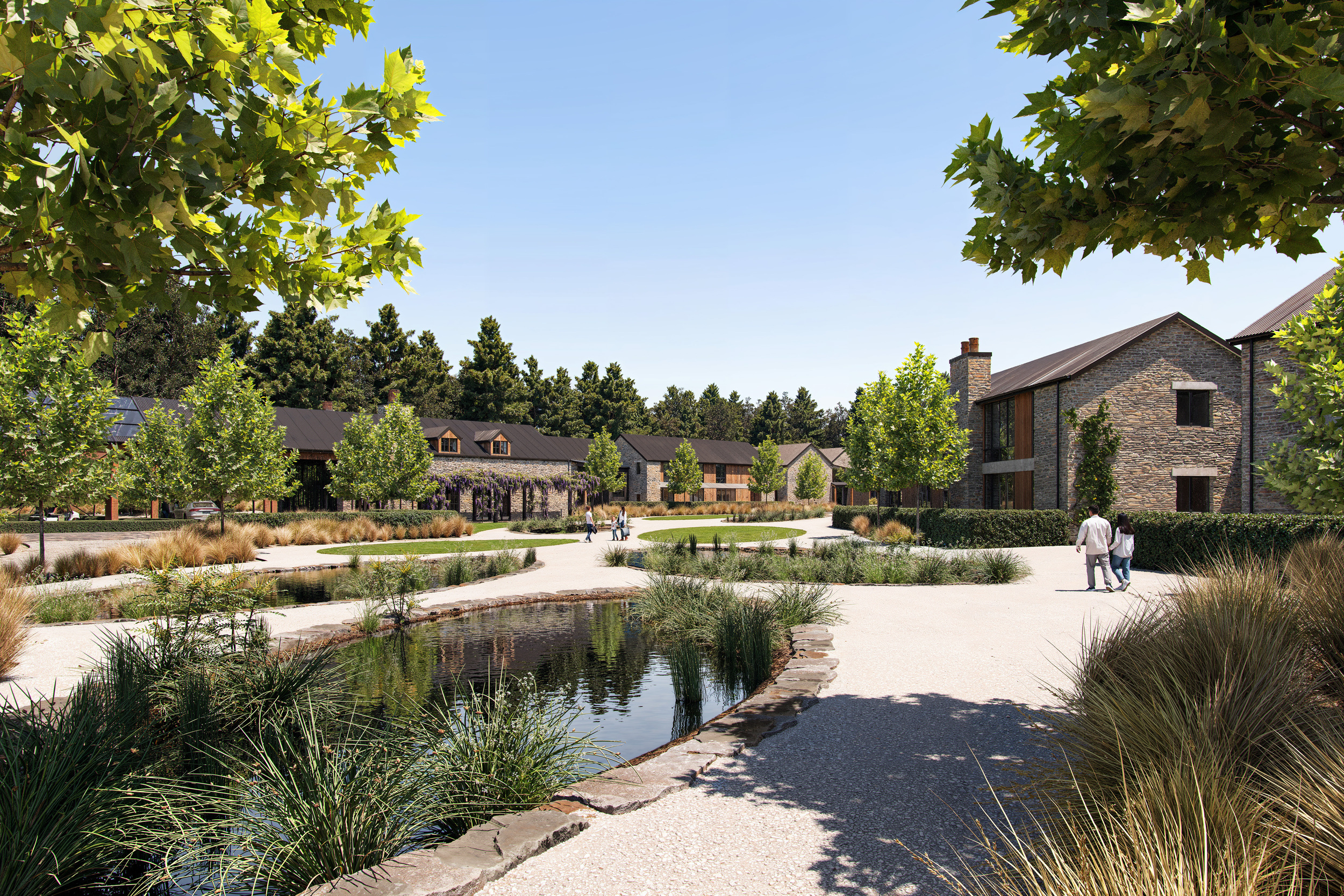
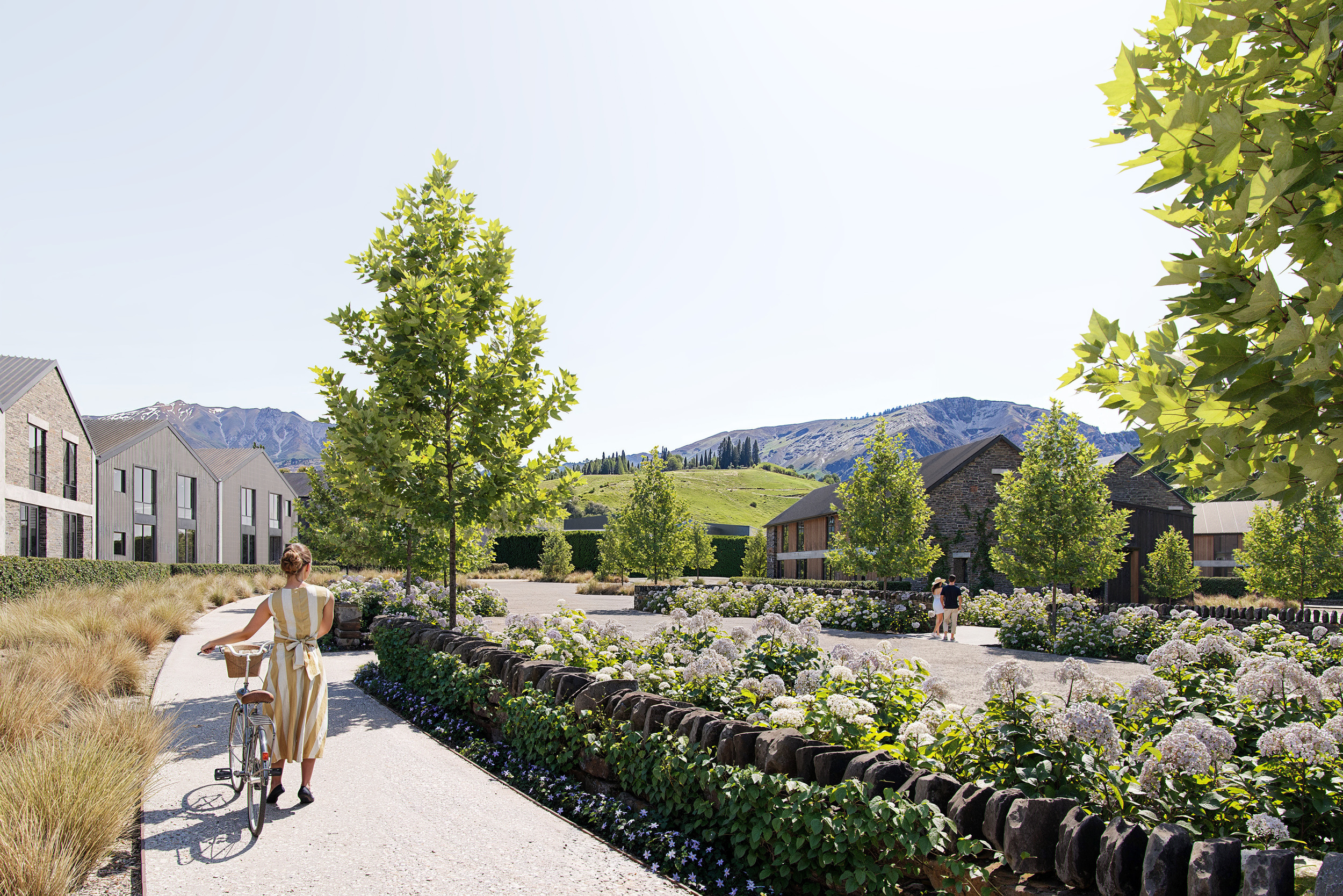
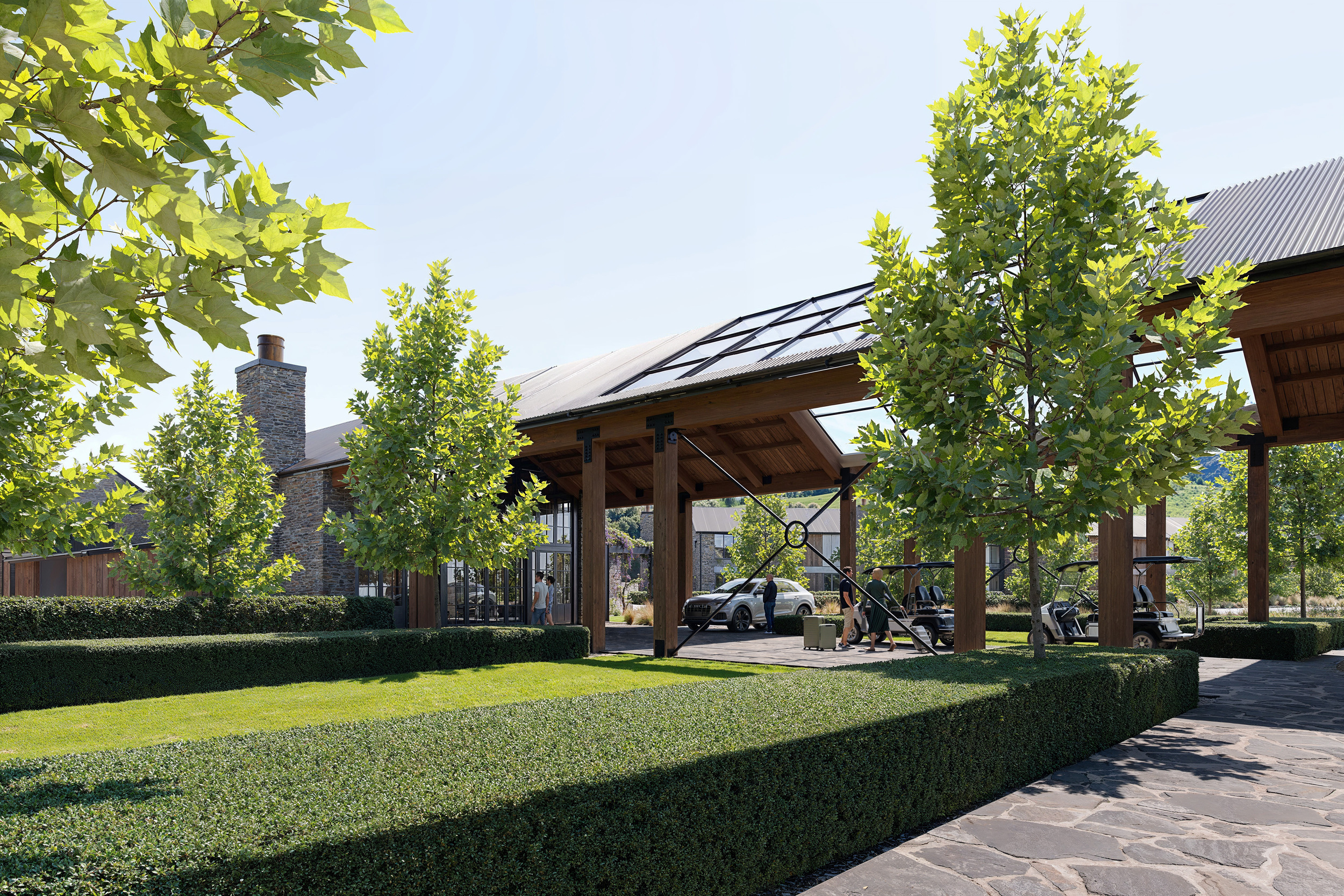
We've taken it seriously, because this is our home too. The design is built around settling the buildings into the land so they're barely noticeable, and using recessive, non-reflective materials such as schist, dark timber and aged metal that suit the Central Otago setting.
And we're not stopping at avoiding harm. We're investing in native plantings and measures to improve water quality, so the project leaves the site in a better condition than it is today. This landscape isn't a backdrop for us; it's the reason people come.
Some sceptics point out that major productions have already filmed in Queenstown without local soundstages. What has changed in the industry that makes dedicated infrastructure like Ayrburn increasingly important?
That's precisely the problem. Productions film here and then take the studio spend elsewhere. What's changed is that the industry has grown considerably and become far more competitive, and productions now choose their base on facilities and reliability, not location alone.
Weather cover matters more than ever when a schedule has to hold, and there's a growing preference to base longer in one place rather than moving crews around the country, for both cost and carbon reasons. Other cities have been building new studios precisely because the demand is there. We're making sure this region can finally retain the work it has always been capable of attracting.
How will the hub support local screen workers and help build lasting regional capability, rather than functioning primarily as a facility for productions bringing most of their crew in from elsewhere?
This is one of the aspects we're most proud of. There's already a solid base of screen workers across the wider Otago and Southland region, but many are freelancers who have to seek work up north or overseas to stay busy. We've seen skilled people, art directors, gaffers, camera operators, leave the region simply because the work here has been too intermittent.
A permanent hub changes that equation. Consistent facilities create consistent work, which allows crew to build a career and a life here rather than living out of a suitcase. We're anticipating hundreds of ongoing jobs once we're operating, many of them specialist screen roles. A stronger pipeline of work is what keeps talent in the region.
What would success look like five years after opening: more productions, longer stays, stronger local career pathways, greater regional spend, or something else?
A combination of all of them. More productions coming through, and, just as importantly, staying longer rather than leaving to finish elsewhere. Tens of millions in additional spend flowing into the region each year, hundreds of jobs, and benefits reaching businesses across the district.
But if we had to identify the clearest measure of success, it would be people: crew choosing to live here because the work is finally steady, and a region that becomes a genuine home for the screen industry rather than simply a place it visits.
From a design and operational perspective, what has been the most difficult balance to strike: screen-industry requirements, community expectations, commercial viability, planning conditions, or the surrounding landscape?
We have taken all of these factors seriously and treated them as equally important. We have worked hard to balance requirements of a working film facility with the community and natural environment. A great deal of our effort has gone into reconciling those demands as well as other benefits such as water-quality improvements, recreation connections, and planting work so the project contributes something back. We've also designed the accommodation to serve as visitor rooms when it isn't required for a shoot, so the facility remains viable even though screen work naturally comes in cycles.
No items found.