Kit Hire / Box Rental: Get It Agreed Before the Job Starts

For many screen workers, turning up to work does not just mean bringing yourself.
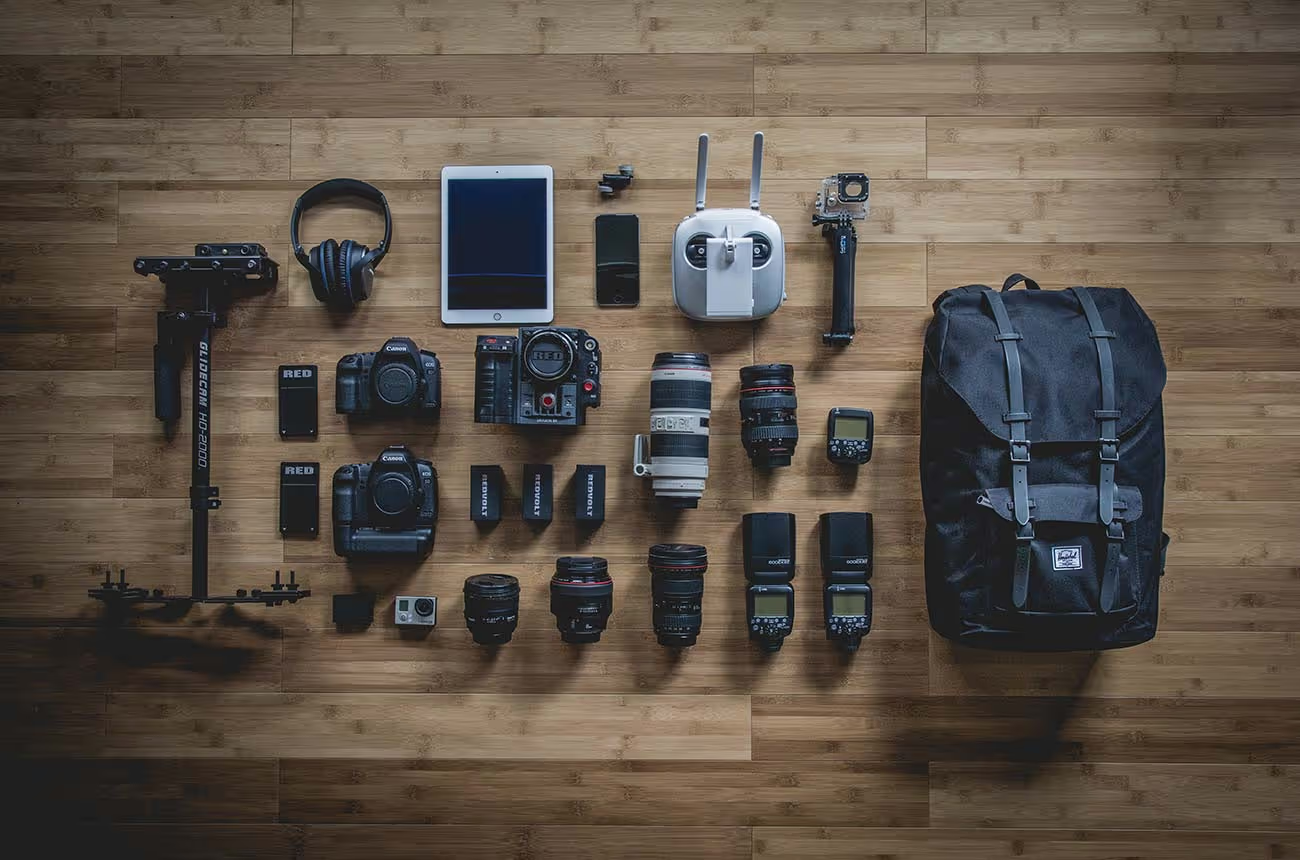
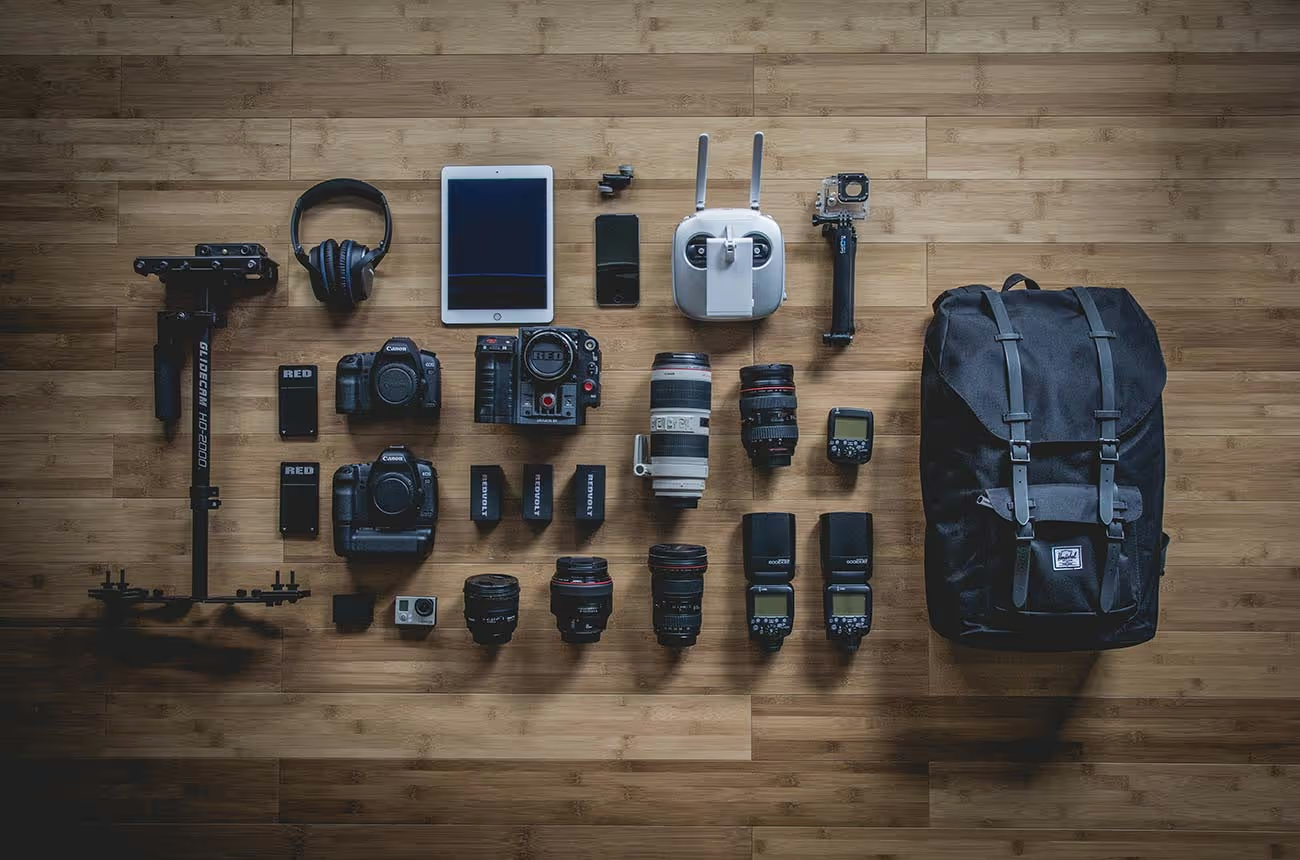
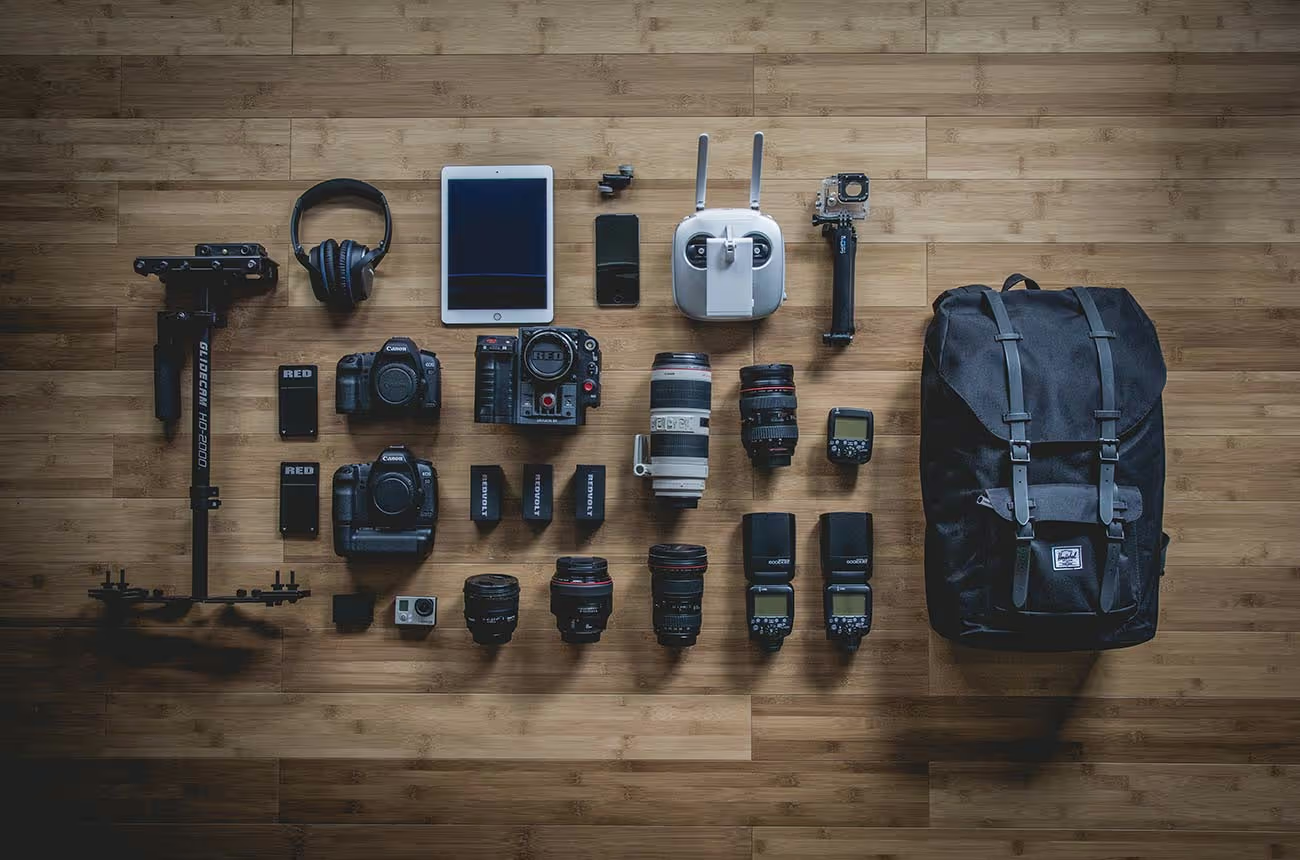
It can also mean bringing tools, specialist gear, boxes of equipment, laptops, monitors, radios, wet-weather gear, make-up kits, sound gear, camera accessories, data equipment, department tools, or other items needed to do the job properly.
That gear has value. It costs money to buy, maintain, store, transport, insure and replace. It also carries risk.
If production needs your equipment, the arrangement should be clear before the job begins.
This is where kit hire, often called box rental, comes in.
What does the Blue Book say?
The Blue Book does not set one standard kit hire rate.
It also does not provide one universal box rental structure for every department or role.
Instead, the Blue Book deals with equipment and box rental through practical areas such as agreed fees, production expenses, insurance, equipment rental and authorisation.
The important point is this:
If you are supplying equipment to production, the equipment arrangement should be clearly agreed, preferably in writing, before you start work.
Keep your labour rate and kit hire clear
Your labour rate is payment for your time, skill, experience and services.
Your kit hire or box rental is payment for production’s use of equipment you provide.
Crew should make sure production understands what equipment is being supplied and what it costs to use. This should not be left to a vague phrase like “usual kit” unless everyone clearly understands what that means.
Before starting the job, provide production with a kit or box rental schedule.
This should set out:
- what equipment, kit, box or package you are supplying;
- the agreed rate for that equipment;
- whether the rate is daily, weekly or otherwise agreed;
- when the kit hire applies;
- what is included;
- what is not included;
- what happens if production asks for extra equipment later;
- what insurance or excess arrangements apply.
This should be supplied with your start-work paperwork and confirmed before you sign your contract or begin the job.
Be clear about which days kit hire applies
Do not assume everyone has the same understanding of when kit hire applies.
If your equipment is required for prep, shoot, wrap, travel, standby, testing, fitting, rigging, derigging, data work or any other production day, state that clearly in your kit schedule.
If production needs the gear available, transported, packed, checked, used, maintained or held for the job, the kit arrangement should say how that is charged.
The key is not to argue about it after the invoice is submitted. Put the arrangement in writing at the start.
Consumables are separate from kit hire
Consumables are not the same thing as box rental.
Kit hire is for the use of equipment.
Consumables are items that are used up, depleted, replaced or replenished because the production requires them. Depending on the department, this may include things like batteries, adhesives, tapes, wipes, make-up consumables, stationery, expendables, data media, cleaning materials, small supplies or other department-specific items.
In practice, consumables are usually handled through discussion with the HOD and the department budget.
The cleanest process is:
- production supplies the consumables required for the job; or
- production authorises the crew member or department to purchase or replenish them; and
- the approval and receipts are kept for invoicing or reimbursement.
The Blue Book is clear that crew must obtain prior authorisation before charging expenses incurred on behalf of production.
So, if production activities require extra consumables, replacement items, special supplies or additional purchases, get approval first.
Additional equipment must be approved
If production later asks you to bring extra equipment that was not included in the original kit schedule, confirm the request and the rate in writing before supplying it.
This protects both sides.
Production knows what it is approving.
Crew know the extra item is not being treated as a free add-on.
A simple written confirmation is usually enough:
“Confirming production has requested the additional [item/equipment] for [date/s] at the agreed rate of [$X].”
Insurance needs to be discussed early
Kit hire is not only about payment. It is also about risk.
The Blue Book advises that crew should carry insurance for box rental, their own equipment and personal belongings.
The Blue Book also says the parties should discuss appropriate insurance cover and provide written confirmation when requested.
This means crew should not assume their gear is automatically covered by production insurance.
Before supplying valuable, specialist or essential equipment, confirm:
- whether your own equipment insurance applies while the gear is being used for production;
- whether any excess applies;
- who is responsible for the excess;
- whether there are any exclusions;
- what happens if equipment is damaged, lost or stolen;
- what process must be followed if there is an incident.
Where a crew member is also acting as an equipment rental service provider, the Blue Book says they should carry insurance for that equipment. If insurance cover is being charged to production, any excess liability and conditions should be advised to production.
Any production-specific insurance cover provided and charged by the crew member must be approved by the Producer or authorised representative before the production begins.
Hazardous or unusual work needs extra care
If you or your equipment are required to work in hazardous, dangerous or unusual conditions, standard cover may not be enough.
This could include work around water, fire, stunts, animals, vehicles, aircraft, boats, difficult terrain, extreme weather, remote locations or any activity that may be excluded from normal insurance cover.
You need to check your own business equipment insurance first, and be clear on any policy limitations that may be in place.
The Blue Book says the crew member is responsible for notifying production if additional insurance cover is required because of hazardous or dangerous activity. Once raised and agreed between the parties, production becomes responsible for that additional cover, including public liability and equipment insurance.
Do not wait until something goes wrong.
Raise the risk before the gear is exposed.
If the booking changes, check what happens to the kit
The Blue Book contains rules and guidance around confirmed bookings, postponement, cancellation, standby days and weather holds. However, it does not provide a full standalone box rental cancellation scale.
For that reason, your kit schedule or contract should say what happens to kit hire if dates change.
For example, it should be clear what happens if:
- production books the kit and then releases the day;
- production shifts the date;
- the gear has already been packed, transported or delivered;
- the gear is being held for production and cannot be used elsewhere;
- production changes a shoot day into a standby, travel, prep or wrap day;
- production asks for the kit to remain available even though the crew member is not actively using it that day.
The practical takeaway
Before supplying kit or equipment to production, make sure the following are clear:
- what gear you are supplying;
- what the agreed kit hire or box rental rate is;
- which days the kit hire applies to;
- what is included in the kit;
- what is not included;
- how consumables will be supplied, approved or replenished;
- what happens if production requests additional equipment;
- what insurance applies;
- who is responsible for any excess;
- what happens if the gear is damaged, lost or stolen;
- what happens if the booking or equipment requirement changes.
Your gear is part of your business.
Good kit hire practice is not about being difficult. It is about making sure the tools required to do the work are properly agreed, properly protected and properly paid for.