Making an Independent Feature in New Zealand: The Story of SMOKY

A famous clown disappears just days before a life-saving operation. Stranger still, his own family doesn't seem particularly interested in finding him.
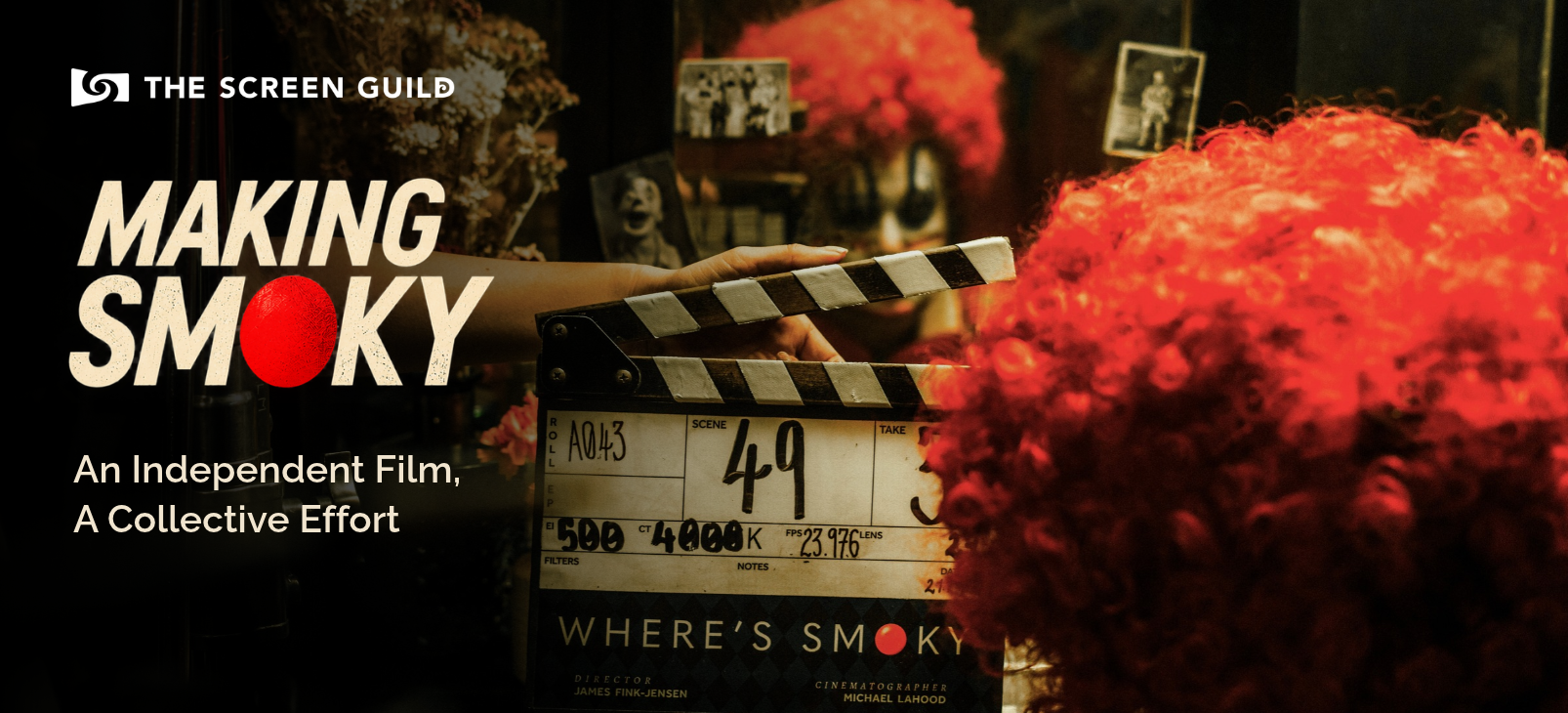
That's the unsettling premise of SMOKY, the debut feature from Auckland filmmaker James Fink-Jensen. Intrigued by the contrast between a clown's public persona and the person underneath the makeup, James created a mystery thriller in which the clown isn't the villain, but the missing person at the centre of a family full of secrets.
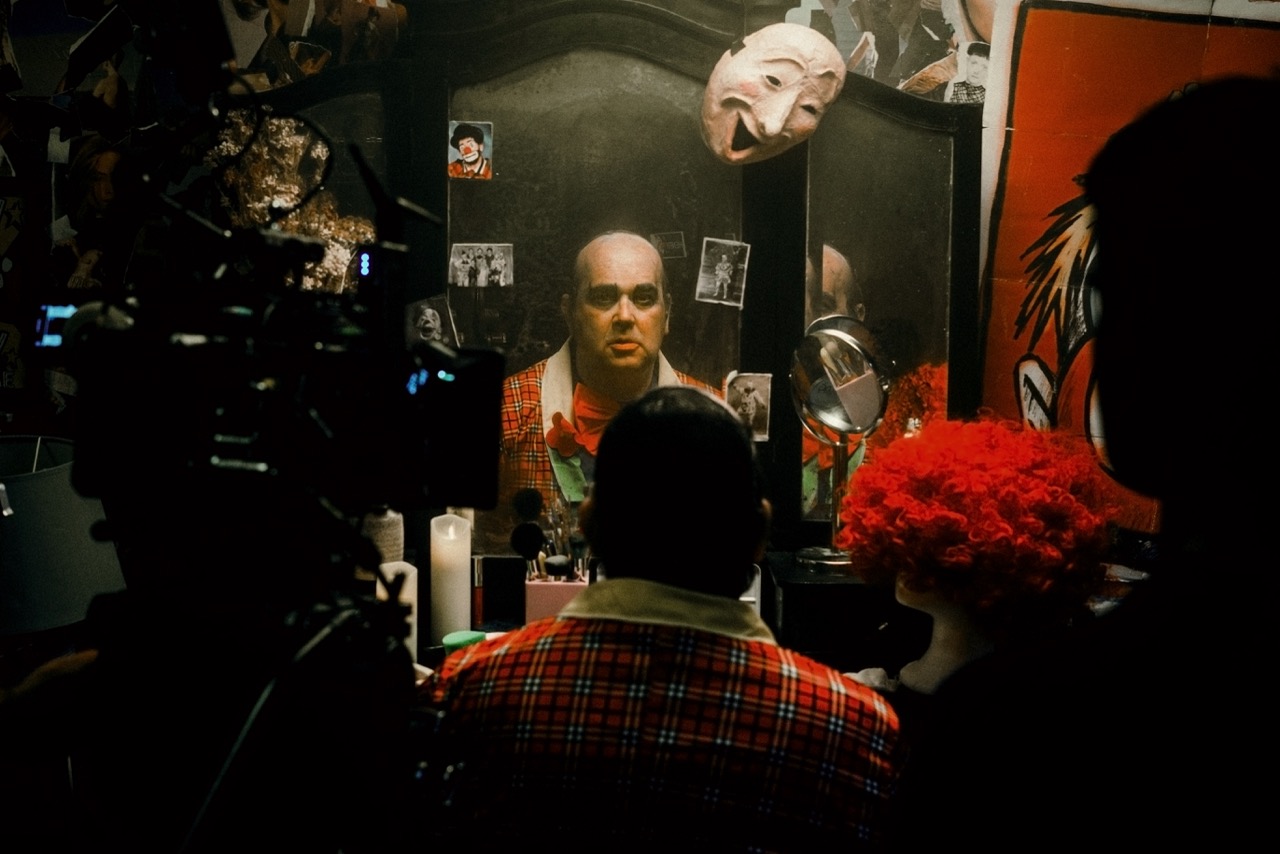
Making an independent feature in New Zealand comes with its own set of challenges, particularly when you're working outside the traditional funding system. Yet SMOKY has already found its way onto the international festival circuit, including a shortlist placement at the 2026 Young Director Award at Cannes Lions. For James, that recognition is proof that independent New Zealand films can reach audiences both at home and overseas.
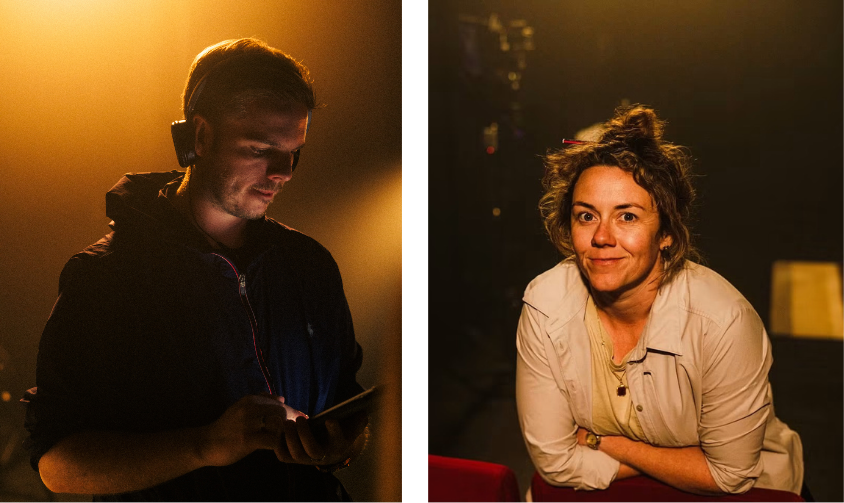
In this Screen Guild Feature, the Screen Guild Members James and 1st Assistant Director Kat Forrester discuss the realities of independent filmmaking, the decisions involved in bringing SMOKY to the screen and what they've learned along the way.
Making It Happen
James, how did you finance SMOKY, and what were the biggest challenges in putting the budget together? How did you approach crew rates, contracts and working conditions on an independent production of this scale?
While developing SMOKY and assembling the cast and crew, I continued working full-time and freelancing. I'd been doing this for about five years, which allowed me to save money, build industry relationships and make short films along the way. Some of those savings went towards SMOKY. After completing the film, we also secured investment to help cover festival costs, marketing and the deliverables required by our distributor.
One of the biggest challenges was making the budget stretch far enough to achieve the scale of film we wanted. I also wore several hats on the production, including casting and editing, to keep costs down. This meant taking on more work myself, particularly over the Christmas and New Year's break, but it helped make the film achievable.
We kept the production contained, with shoot days of around ten hours. We worked in blocks of five days, took the weekend off, then returned for another five-day block. Repeating that schedule across our fifteen shoot days made the production more manageable for everyone. Cast and crew worked for similar rates, with most of the crew taking on their first feature. There was a real sense of commitment and enthusiasm for the project. A feature credit was also a valuable opportunity for people to demonstrate they could handle the demands of a longer production.
Planning the Shoot
James, you wrote, directed, produced and edited SMOKY. How did you balance your creative vision with the practical demands of making an independent feature?
Balancing my creative vision with the practical demands of independent filmmaking came down to preparation. I had a clear vision for SMOKY from the outset, developed through pre-production meetings, mood boards, shot references, shot lists and a 50-plus-page director's treatment outlining each scene.
We also held a table read for a live audience at Auckland Table Reads, incorporating feedback into the script. I arranged for key HODs, including our cinematographer, gaffer and production designer, to join me on location to plan our approach to each scene and work through practical challenges before arriving on set. This meant we were well organised and could focus on executing the vision rather than figuring things out on the day.
We dedicated a full day to rehearsals, working through the climactic scenes with our core cast in the shooting locations. This took place the day before filming, so the scenes were fresh in the actors' minds. I also locked the script early on the first day of shooting, allowing me to spend as much time as possible with the actors throughout production, discussing their characters, refining performances and working through blocking. Ultimately, that preparation was key to realising the film I wanted to make while keeping the production manageable.
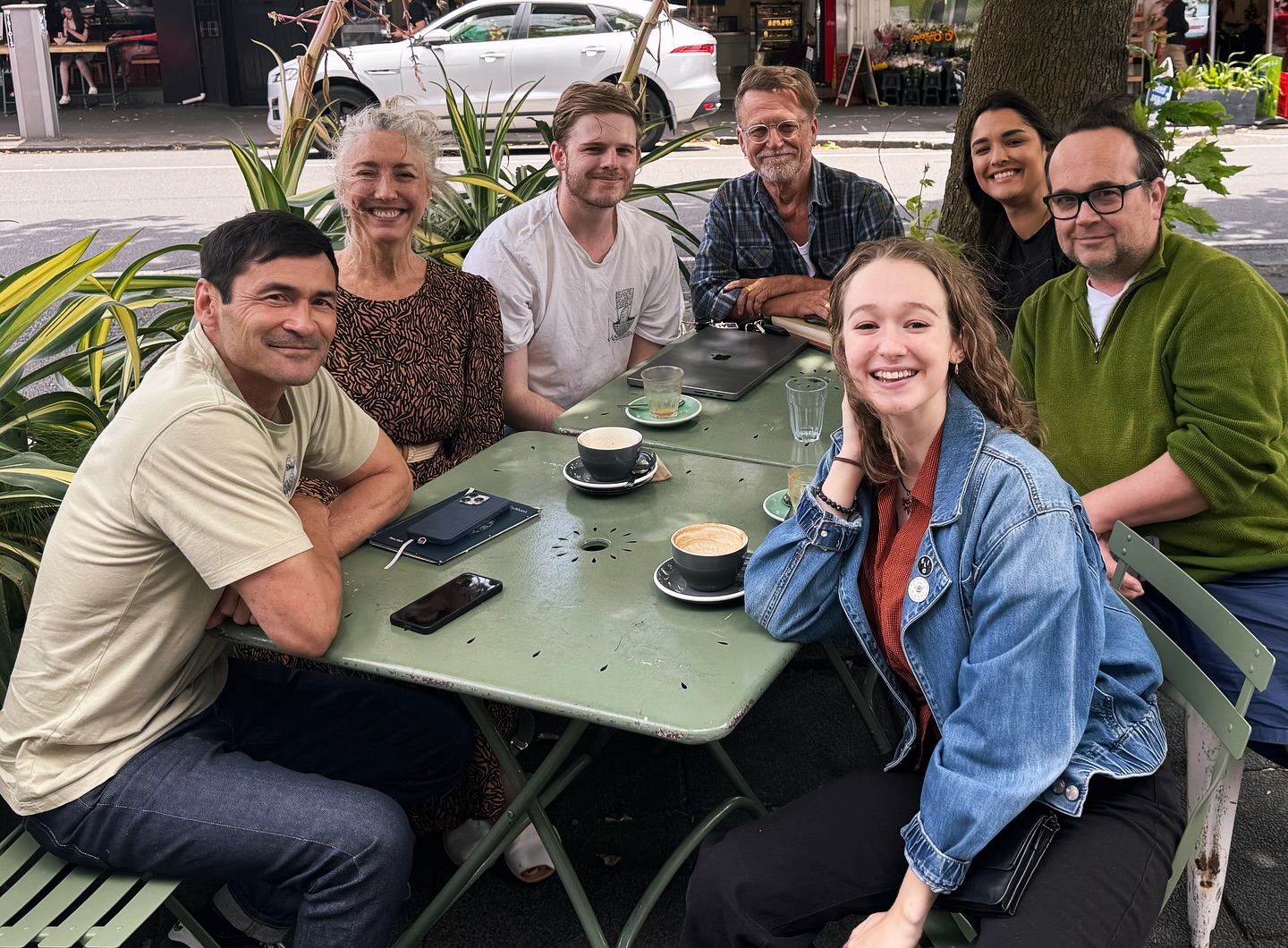
James, making your first feature is a huge undertaking, especially when you're financing much of it yourself. Was there ever a moment when you seriously doubted whether you'd be able to finish SMOKY? And what kept you going?
It really comes down to preparation. Enough lead time allowed us to build the film piece by piece, working through challenges as they arose. Locking in our HODs, locations and cast gave us momentum while I continued refining the script and working with Kat to map out a schedule across our six locations. I trusted my crew and their individual strengths, knowing we could work through whatever came our way and get the film in the can within fifteen days. A big part of what kept me going was knowing we were capturing something worthwhile, and that there would be plenty to work with once we got into the edit suite.
Kat, SMOKY was shot in just 15 days. How did you approach scheduling the production, and what were the biggest challenges in making it all work?
I had several iterations of the schedule on the go in different tabs, with multiple ways it could work in multiple scenarios. Primary considerations were #1 talent availability, #2 location availability, #3 environment (weather, road, night/day). I think the final schedule was about the eighth work up. Being in control of the whole schedule all at once was actually a positive, because if there were scenes that just weren't working at the tail end, then I could rip back through and change it up right from the start again.
On Set
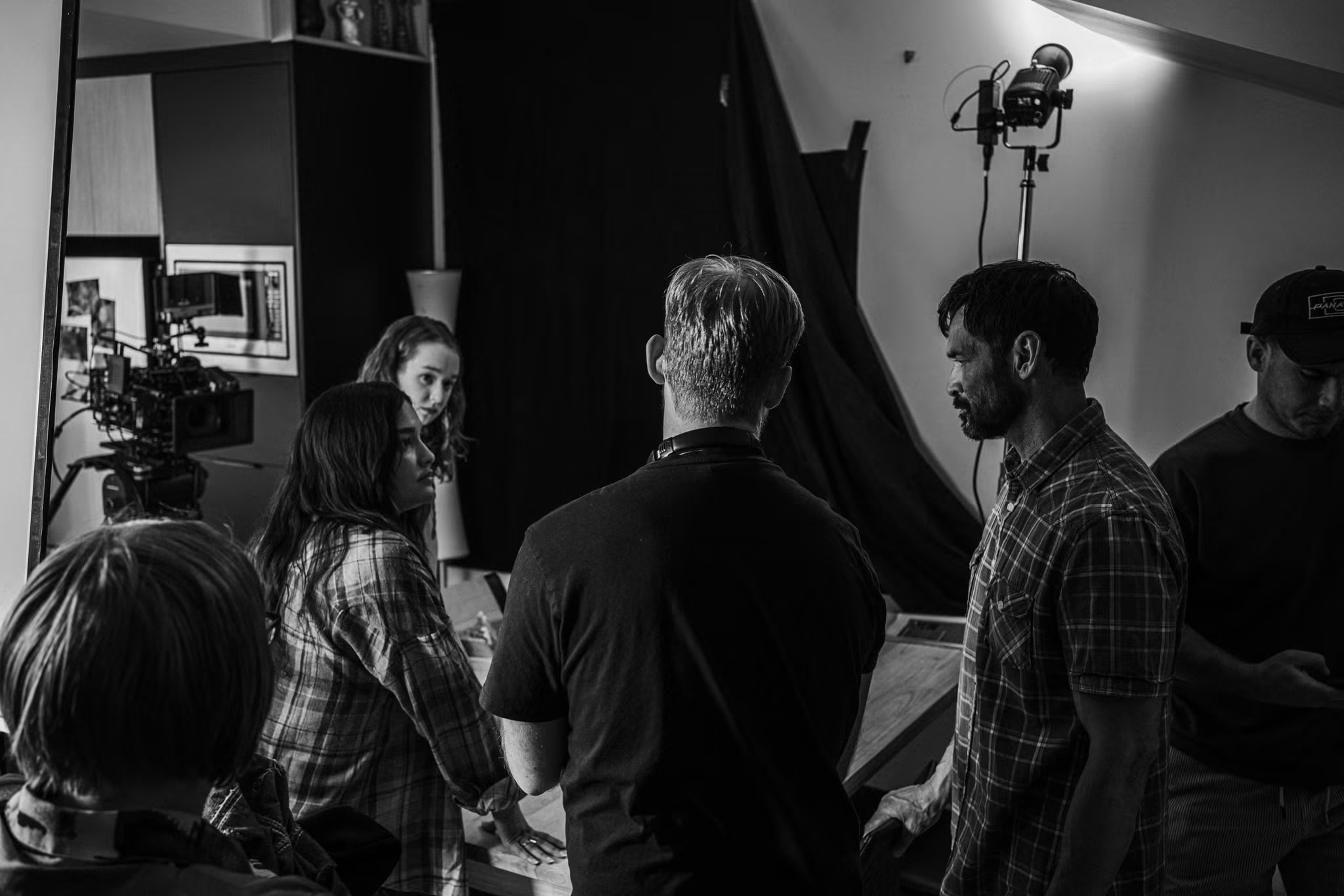
Kat, as 1st AD, how did you keep the different departments working together on such a tight schedule? Was there a particular moment when the crew really came together to make something happen?
Shout out to a brilliant crew, who just knew what they had to do and really wanted to capture great stuff. I thought I had pushed everyone too far one night when I scheduled all the night shoots on one night and we wrapped at 5am. It was January and sunset wasn’t until like 2145. I wondered whether I should have scheduled them a bit more periodically, over the three weeks. When I asked around, they all said no, they would prefer it this way- just doing one blinder rather than many late nights. That ended up being a great night of shooting, and that was a learning.
Kat, looking back at the production, what worked particularly well, and what would you do differently if you were starting again?
I love the puzzle and satisfaction of scheduling everything perfectly into the allotted time. You’d always have more time and you’d always have more resources if you could. I'm a relatively animated person, and I think sometimes there is a place for that energy, but mainly, people want a calm and controlled AD to navigate their days, and the more I work the better I will be at being that figure.
I also learned to coordinate between departments a lot better from day 1 of pre production. Asking what their biggest challenges are, and how the schedule can reflect their needs as much as possible.
From Film to Festival
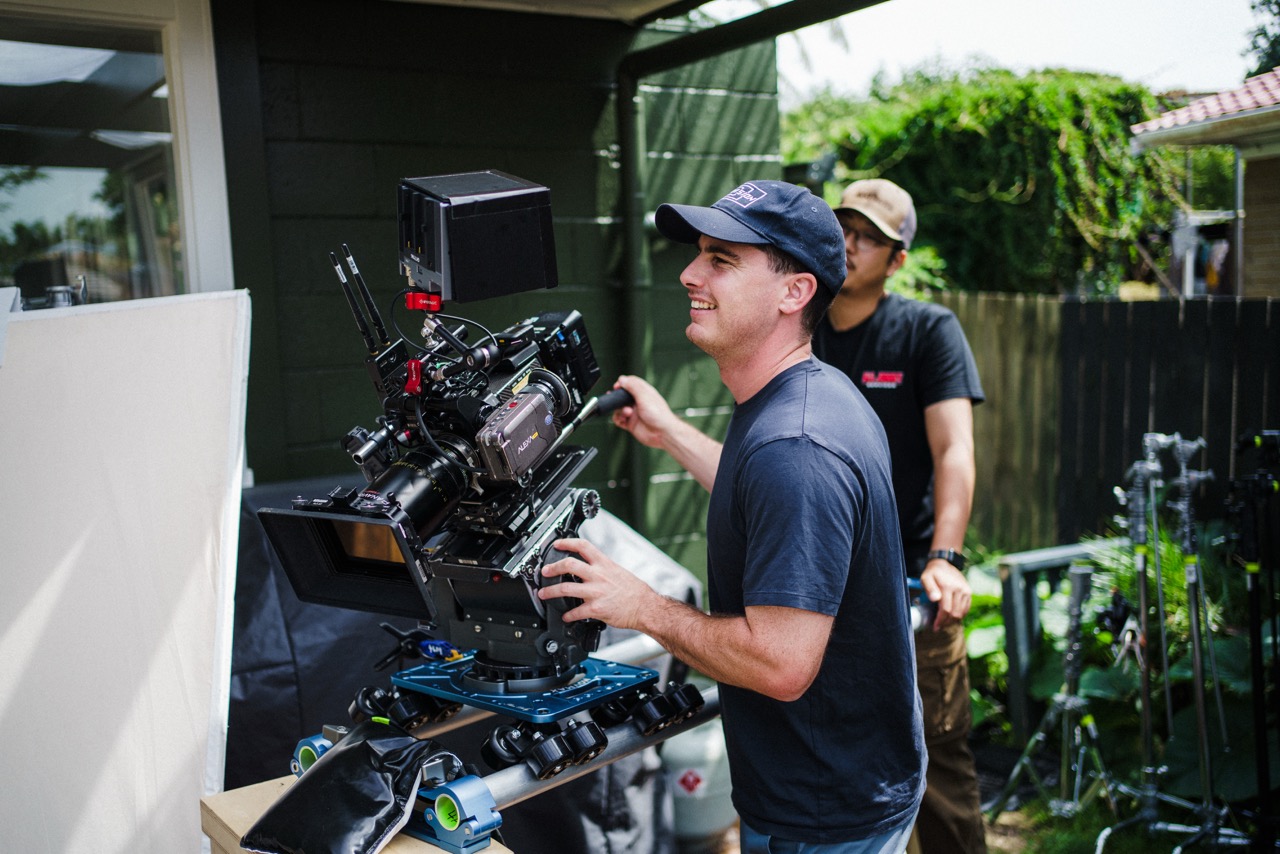
James, what have you learned about getting an independent New Zealand film into festivals and finding an audience once production is finished?
One of the biggest lessons is to start thinking about festivals and distribution before the film is finished. While completing SMOKY, I began building relationships with producers, distributors and sales companies. Once we had a picture-locked cut with the grade, sound and score nearly complete, I started sending it out. This led to a three-year distribution deal with an American company, commencing next April. At the same time, I began submitting the film to festivals as we finished post-production. Some accept work-in-progress cuts, while others require a finished film, so having an early version ready to submit can be helpful.
I've also found that festival selections can build momentum. Once a film starts getting into festivals, it can help with subsequent submissions by giving it a track record and demonstrating that it's finding an audience. Ultimately, though, the film needs to stand on its own. I felt SMOKY looked and sounded strong for an independent feature, with some great performances. I hoped that combination would help it stand out among submissions and find the festivals and audiences it was best suited to.
With several independent success stories in recent years, I believe there's an audience for independently made features. There are also cinemas, distributors and producers working in this space to help films find that audience, regardless of whether they've been made through the traditional funding system or independently.