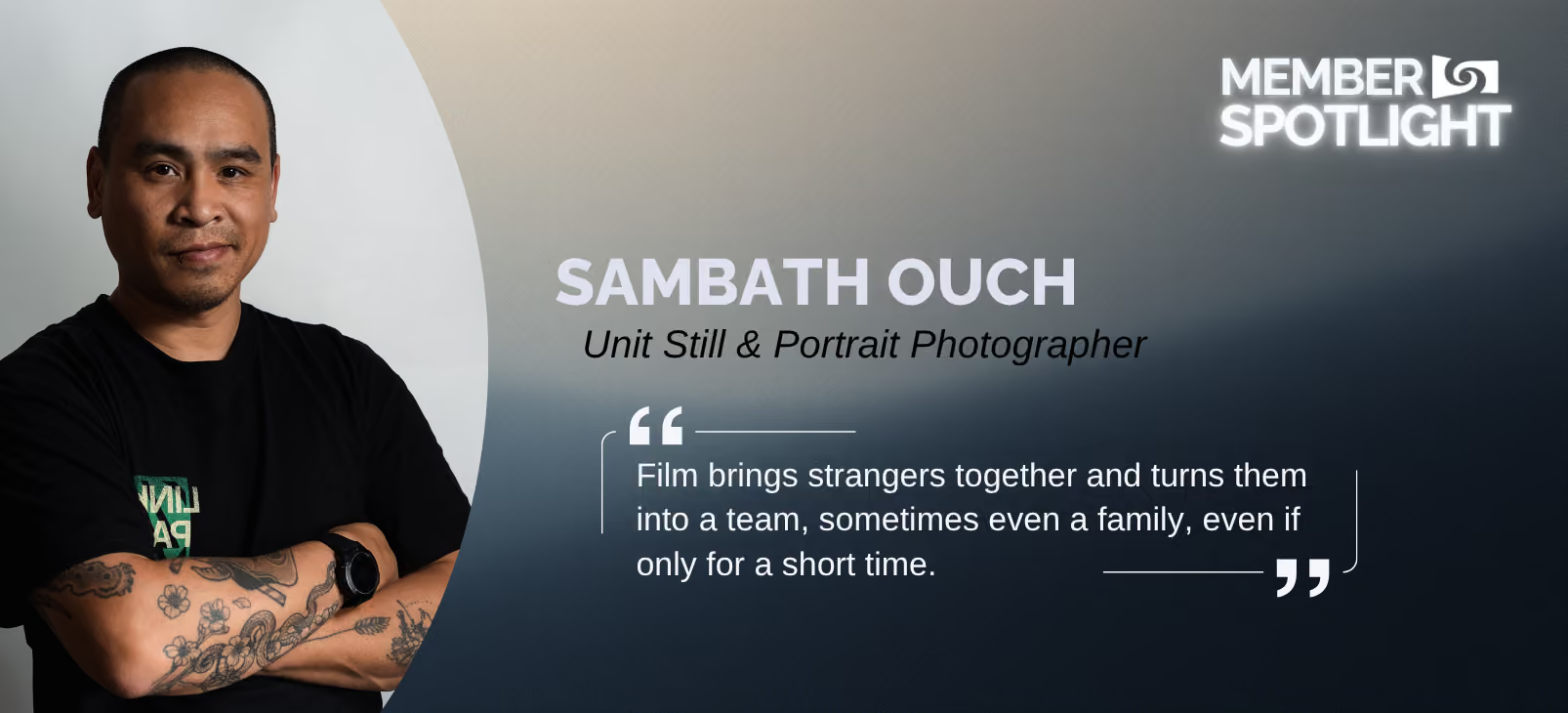
Member Spotlight: Sambath Ouch

Originally from France and now based in Wellington, Sambath’s creative path began in fashion and luxury e-commerce advertising, where he spent more than a decade working with image, detail and storytelling. He now carries that experience into the screen industry through stills, portraits and on-set work, with collaboration at the heart of what he does.
What was your very first job on set - and what did you learn from it?
My first job on set was as a still photographer on Secrets at Red Rocks. I was thrown straight into it, capturing the gallery for the actors, including Phoenix, Korban, and a Wētā Workshop baby seal. I quickly learned that no role on set is ever just one thing. You have to adapt, move fast, and solve problems creatively. I also realised how collaborative everything is, and how every image becomes part of a much bigger world. It was chaotic, fun, and the moment I knew I wanted to stay in film.
What/who inspired you to start working in film?
It started at the Roxy Cinema, where I was working in marketing and design. Being surrounded by films every day slowly pulled me in. Meeting award winning editor Jamie Selkirk was a big turning point. His way of talking about film and the camera made it feel real and accessible, like something I could actually step into. My partner, Michelle Sergeant, also played a big part in inspiring me. Being close to someone already working creatively in that space gave me both encouragement and a clearer sense that this world wasn’t out of reach.
What advice would you give to those starting in the industry?
Start before you feel ready. You’ll never fully feel ready anyway. Get on set in any role you can and learn by doing. I didn’t study film, I learned through experience and a lot of trial and error. My background in photography helped, especially with light, composition, and people. And just as important, be someone people enjoy working with. Attitude and reliability matter just as much as skill.
What keeps you passionate about working in film?
The people. Film brings strangers together and turns them into a team, sometimes even a family, even if only for a short time.
What part of your job gives you the most satisfaction?
The in-between moments. The unplanned, real ones that happen between takes. That’s usually where the truth is.
What’s one lesson the screen industry has taught you?
Resilience. Things go wrong all the time, but the work still has to get done. You adapt or you fall behind.
How do you define success in your work?
If an image makes someone feel something, and I stayed true to why I started doing this in the first place, that’s success.
How could the NZ screen industry better support crew?
More continuity between jobs, clearer pathways for new entrants, and better mental health support. Freelance life can be tough.
What changes would you like to see in the next five years?
More diversity in storytelling and in who gets to tell those stories, plus stronger bridges between indie creatives and bigger productions.
How does working in Aotearoa compare to other places you’ve worked?
There’s a real sense of humility here. Less ego, more collaboration, and people genuinely looking out for each other.
What makes NZ crew unique?
Adaptability. People here are resourceful, multi-skilled, and quietly inventive with what they have.
How do you see technology shaping the future?
AI and VFX will speed things up, but storytelling will always stay human. Tech is a tool, not the soul. Sustainability will also become essential.
How has being part of the Guild supported you or your peers?
It creates connection in an industry that can feel fragmented. It reminds you you’re not doing this alone.
What kind of Guild initiatives would you like to see more of?
More mentorship, shadowing, and hands-on workshops, especially for people coming from other creative fields and trying to break into film.
Favourite filming location in NZ?
The Tararua Range. Raw, moody, and constantly shifting. It already feels cinematic without trying.
A film or show that inspired you?
The Intouchables. Being French, it stayed with me. It’s simple, funny, and deeply human. It shows connection between two completely different worlds in a very natural way. It reminded me that storytelling doesn’t need complexity, just truth and timing.
What’s one skill or habit that helps you get through long shoot days?
Keeping things light with the crew. Long days are easier when there’s humour, shared snacks, and small human moments in between the pressure.
If you weren’t in film, what would you be doing instead?
Still telling stories, just in a different form. Probably through photography, travel, or teaching. Anything that keeps me around people, movement, and real life.