Member Spotlight: Tony Forster
We caught up with Screen Guild Life Member Tony Forster just before he heads to Europe to film his second feature-length documentary. There’s plenty of wisdom in this conversation for anyone working in the screen industry.
Published on:
August 12, 2026

Few people have been part of New Zealand’s screen industry for as long, or contributed to Screen Guild as much, as Tony Forster. A First Assistant Director, documentary filmmaker and Screen Guild Life Member, he has spent decades working on set while giving back to the industry through his time, knowledge and experience.
What was your very first job on set and what did you learn from it?
My first film crew experience was as a driver for the international guest actors. I had come from working in live theatre, with no film experience whatsoever but that job turned out to be the very best kind of apprenticeship.
Once I’d delivered the actors to make-up/wardrobe and taken care of their coffees, deck chairs and such, I was able to spend a lot of time just observing how every crew member functioned as part of the whole, and was given the chance to assist a variety of departments at various points through the day. A full-on, comprehensive film school in 10 weeks!
What/who inspired you to start working in film?
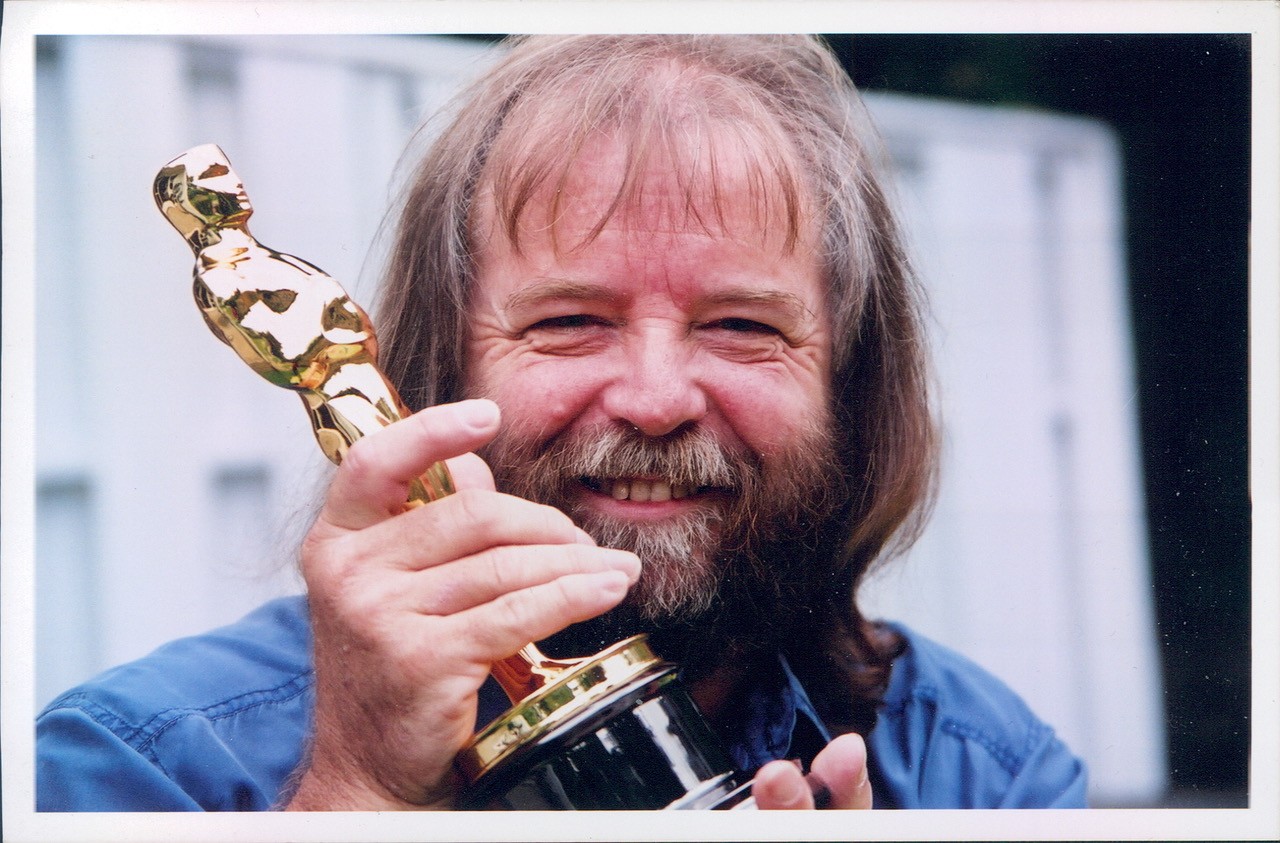
It happened by accident really. I had worked in each of the major theatres that I wanted to, and I’d mounted some of my own independent productions, and I needed a new source of income. A close writer friend had his first script going into production and introduced me to the relevant people.
Another significant aspect of this switch from theatre to film, I came from being a director/production manager at Downstage Theatre Co in Wellington to being the actor driver on my first screen job, and received a 50% pay rise!
What advice would you give to those starting working in the industry?
When I started, the nearest film school was in Sydney, so learning on the job was really the only pathway here.
Having spent time over the last few years tutoring at Unitec on a casual basis, I would try to emphasise to youngsters starting out the vast difference between making a short film within a sheltered film school environment and working on a much larger scale in the so-called “real world”. Too many good students with great potential have ruined their careers on their first job by thinking that they already know it all. One very capable person from one of my classes presumed to tell the producer on her second day on set as a junior AD that the producer was not doing her job correctly. That producer was one of the most highly regarded in our country, having now worked as a line producer all over the world. Not a good move!
Who have been the biggest influences or mentors in your career?
For quite a number of years, I worked as a First AD almost exclusively with Māori film companies. Don Selwyn was a brilliant illustration of the necessity of having true and deep passion for the work, but also the essential commitment, energy and focused discipline to channel that passion into success.
What keeps you passionate about working in film?
From an extremely young age I have adored cinema and live theatre, the magic of storytelling.
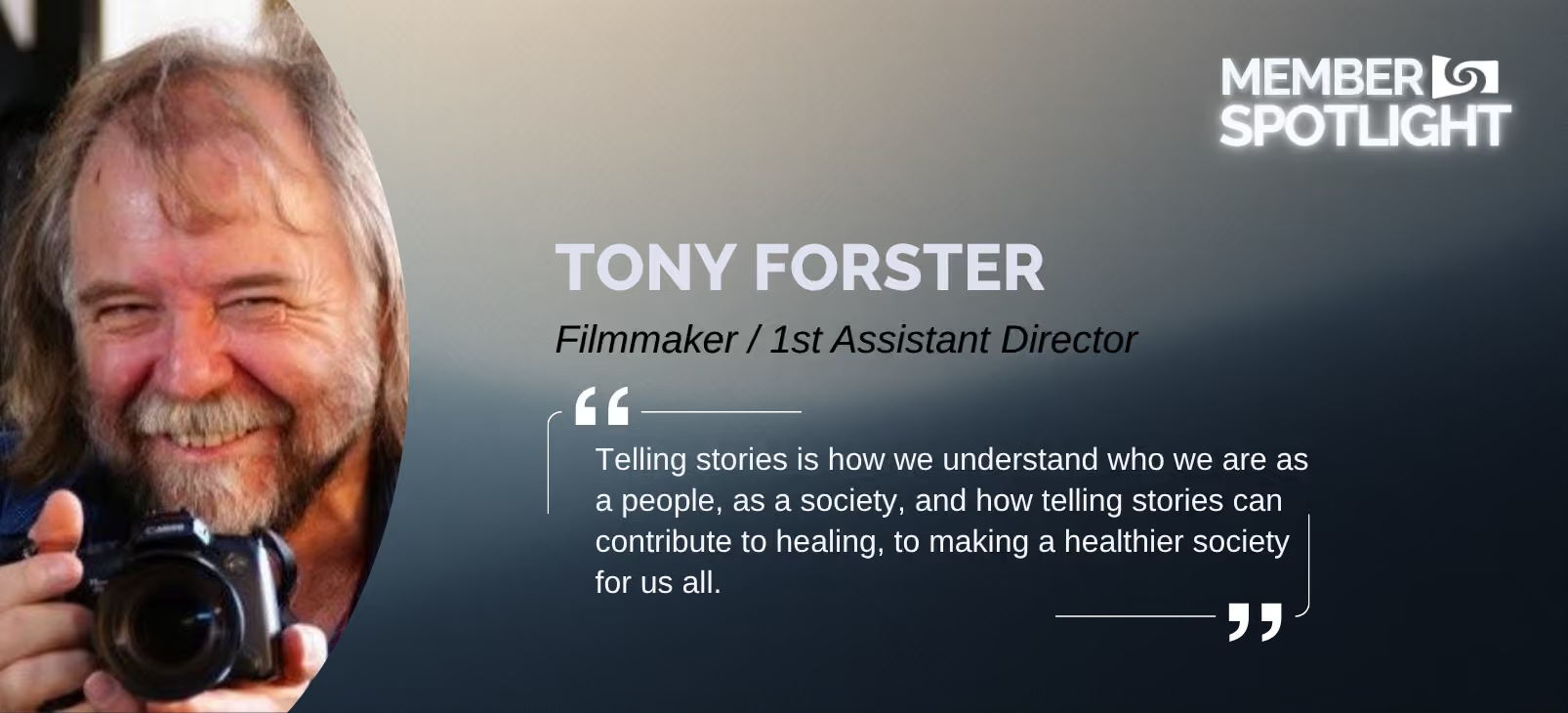
As I’ve matured a little bit, the realisation that telling stories is how we understand who we are as a people, as a society, and how telling stories can contribute to healing, to making a healthier society for us all.
What’s one lesson the screen industry has taught you?
In your work, you can be happy or you can be miserable. Some factors can sometimes be out of your control, but overall you can make your working life miserable or happy by your own actions, by the way you treat the people you work with, for example.
For me, the biggest lesson is that a happy crew and cast results in a better quality picture on the screen. Fact!
How do you define success in your work?
As a documentary maker (my main focus now), I love the minutiae of putting a film together, seeing how the finest detail can make a huge difference to the end result. That, and the audience reaction, of course.
As a First AD, success is successfully completing the schedule I’ve planned each day, on time, and with the crew and cast all being content with what they’ve achieved.
By the way, although my documentary-making is my first priority nowadays, I can still be seduced into working as a First AD on smaller projects. Clearly I love my documentary work passionately, but I do miss the camaraderie of working with a full drama crew and cast.
What changes would you like to see in the next five years?
It pains me that we still find ourselves fighting over excessive work hours.
I would like to see the efforts towards cooperation between the various guilds come to their proper fruition, that all the guilds (and not just some) see the ultimate benefits in working together harmoniously for the common goals of more projects going into production and more successful storytelling. The stalling of one particular screen industry organisation over implementing the SIWA process, for example, is, to my mind, a shameful disgrace.
How does working in Aotearoa compare to other places you’ve worked?
In Australia, quite a long time ago, I worked for a few years in one of the two largest film production companies in Australia. It disturbed me that the internal politics became more important to many people than the actual stories we were making for the screen. The willingness of people to stab each other in the back in order to get a further step up the ladder in the company hierarchy was incredibly destructive.
Here I find crews more collaborative, and more invested in the value of the story they are telling, as well as their own particular craft. That makes working as part of one of our crews a much more pleasant experience. That experience also explains why I have always preferred since then to work on smaller projects, and focus on New Zealand work, on our stories.
What do you think makes New Zealand crew unique?
The old clichés of adaptability, flexibility, mutual support, and a willingness to work in a truly collaborative way for a common goal. The industry’s “No Dickheads” policy!
Of course there is the occasional person one chooses never to work with again, but fortunately they are comparatively rare in the Kiwi industry.
What’s one thing you wish every crew member knew about the Guild?
For so long the misconception existed that our Guild was only for the so-called “techos”, i.e. camera, lighting, grip and sound people. For that reason I’m pleased that we finally won the 10-year battle to change the name of the Guild to what it is now, so that people are more aware now that the Guild is open to everyone in the industry, and not just techos.
How has being part of the Guild supported you or your peers?
The creation of the Blue Book has had an immense impact over the years, obviously. Being part of the sub-committees creating the earlier editions of the Blue Book was immensely satisfying, despite the hard work and frustrations with the often slow progress.
Which leads me to the realisation that, for me, being part of the Guild and contributing to its work is mostly about giving back to the industry that has given me so much reward and pleasure over the years.
Coffee order or go-to snack on set?
Earl Grey tea, sometimes a cappuccino, and a muesli bar in the back pocket.
Favourite filming location in NZ?
Fiordland, without a doubt.
What’s one skill or habit that helps you get through the long days?
Nurturing the crew. If you respect and nurture every member of the crew, then they will give you heaps in return when you most need it.
If you weren’t in film, what would you be doing instead?
Writing, and travelling to exotic places I haven’t been yet.
Anything else you’d like to add?
Finally, I’d like to grab the opportunity to once again offer my profound thanks to SIGANZ for making me a Life Member a few years ago. I feel very privileged, and grateful.
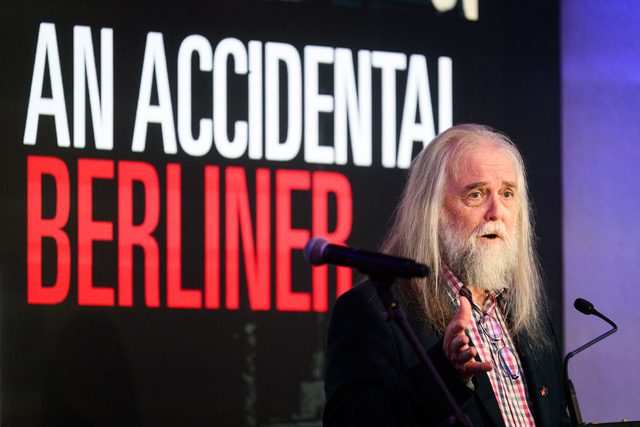
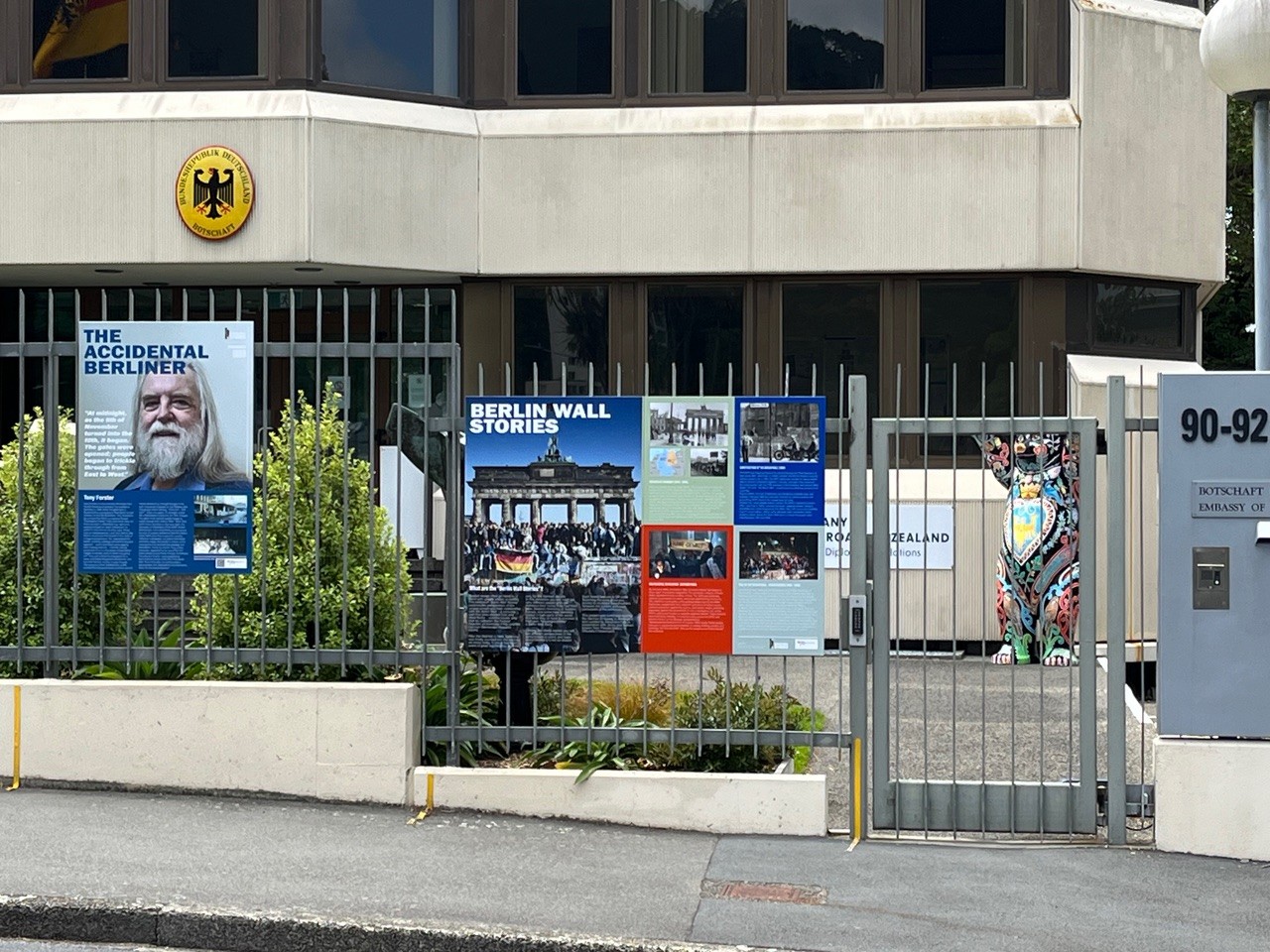
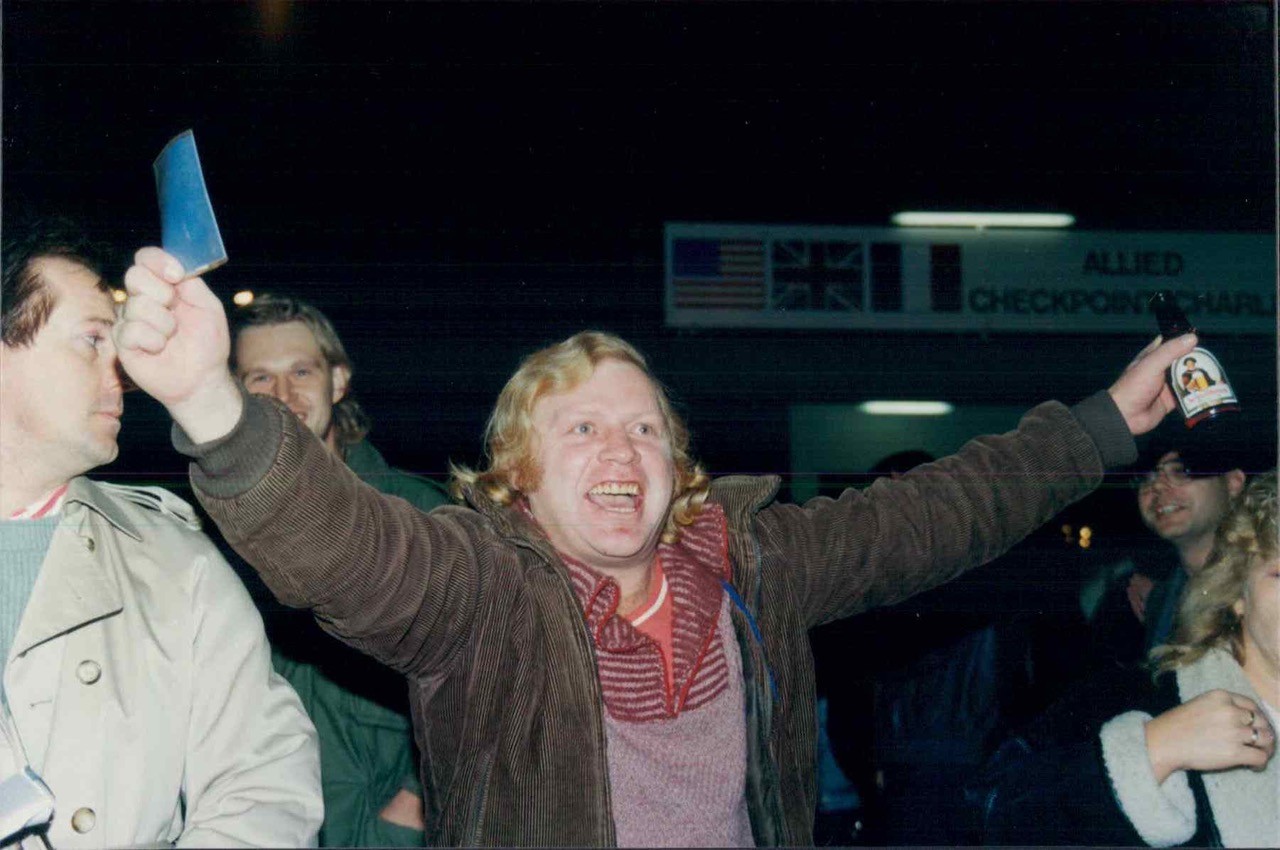
Watch Tony Forster’s first feature-length documentary, An Accidental Berliner, below.
No items found.