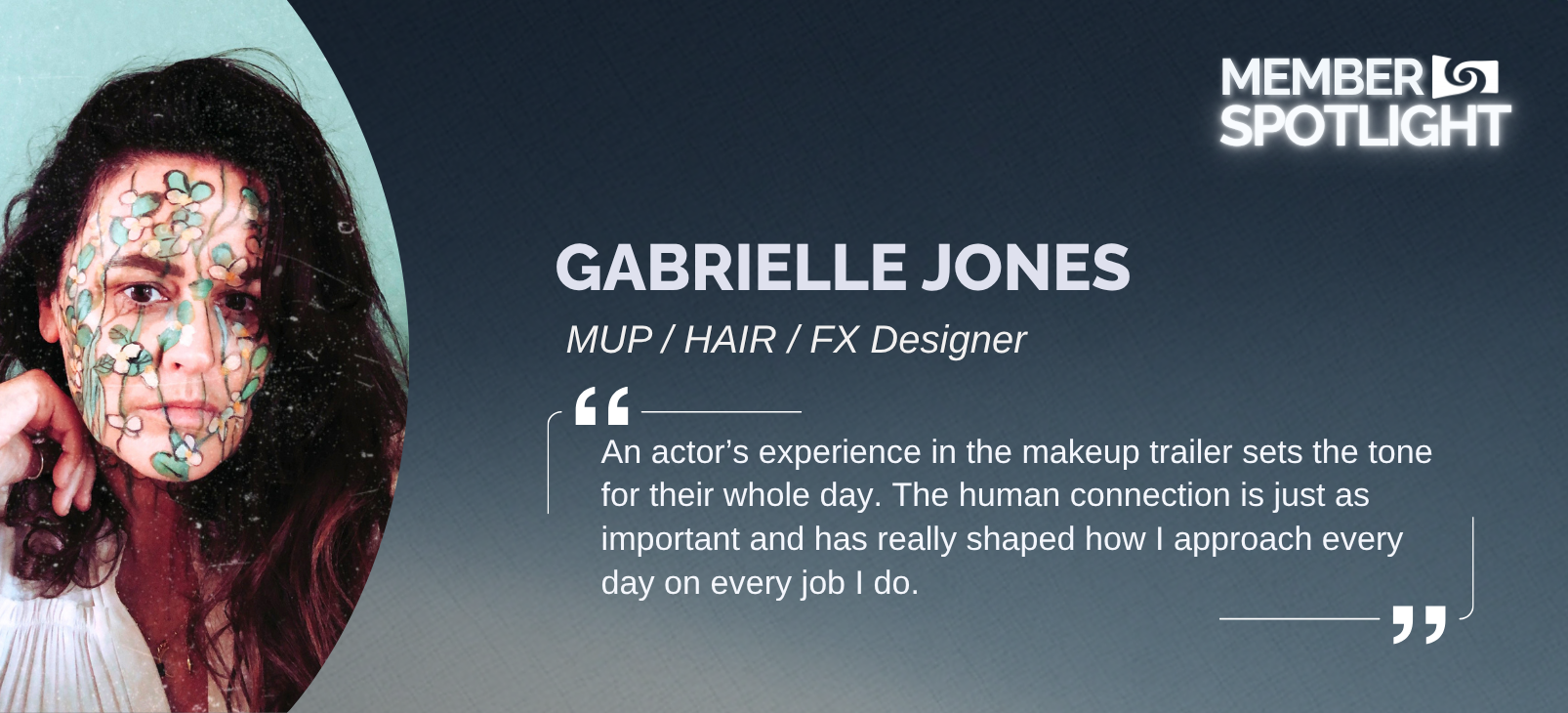
Member Spotlight: Gabrielle Jones
A career in film isn’t for the fainthearted. Gabrielle talks about the realities of making it last, from reputation and relationships to navigating the quiet stretches.
Published on:
September 10, 2026

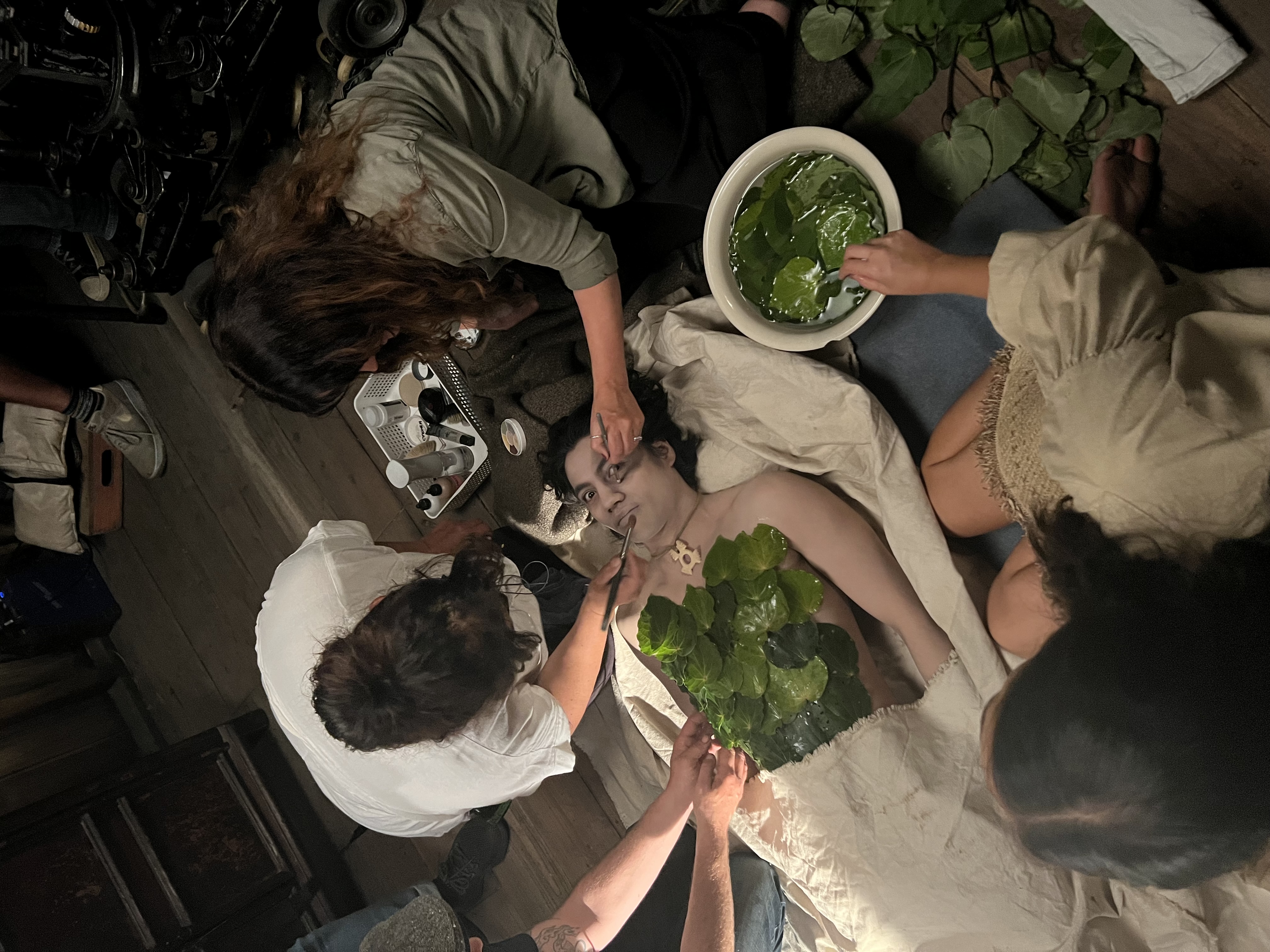
Opening a script for the first time still brings the same sense of possibility for Gabrielle: taking a character from words on a page and turning them into something real. More than 30 years into her career, that process remains one of the things she loves most about being a Makeup Hair Designer - but the craft has never been just about the transformation itself. It’s also about the person sitting in the chair, the trust built with an actor, and creating an environment where they feel calm and looked after. That human connection is every bit as important as the technical skill behind the work.
What was your very first job on set - and what did you learn from it?
My very first job was in London while I was still training at makeup school. I was asked to do Bill Oddie’s makeup for a pantomime. If you grew up watching ‘The Goodies’ TV show you’d know exactly who he is. I remember feeling terrified, but I quickly realised I couldn’t show it and he might have been nervous too. That opened my eyes to some understanding that my job wasn’t just about technical skill but as important is helping someone feel calm and nurtured.
An actor’s experience in the makeup trailer sets the tone for their whole day. The human connection is just as important and has really shaped how I approach every day on every job I do.
.jpeg)
What/who inspired you to start working in film?
From a young age, I’d always loved fine art and went on to take art as a subject through secondary school.
When I was 17, I was at a market with my mum and overheard a woman talking about her daughter who trained as a makeup artist for screen in London. It kind of blew my mind at the time and struck me because it didn’t even feel like such a job existed, especially not in New Zealand. I rushed home and told my Dad this was what I was going to do! Initially he said “what are you going to do for a real job?” (fair point) but the idea stuck.
Since there was no way to train in New Zealand at the time, I saved up by working in Sydney and eventually went to the same school that I’d heard about in London to train. That’s where I started building my career, the same one I’ve had for over 30 years.
Looking back, I think my art background made makeup feel like a natural fit, this mix of art, creating characters and storytelling. One chance conversation created a pretty clear path.
What advice you’d give to those starting working in the industry?
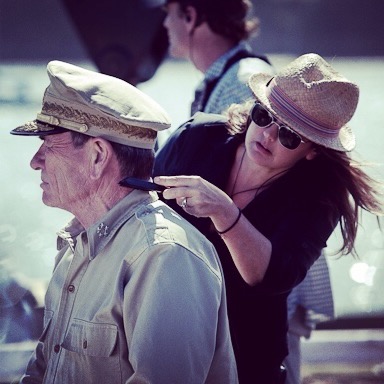
Stay curious and never stop learning, because every person you work with knows something you don’t. Don’t be afraid to put your hand up for new opportunities, even if they’re not your dream role. One job often leads to the next.
Return calls/emails promptly even if you are unable to take a job on. Keep your CV up to date and stay active on industry work seeking platforms. Keep connected with other crew and professional industry organisations. Watch how other departments operate and understand where you fit in. Film is the ultimate team effort. Be reliable, be kind, be professional and remember your reputation travels faster than your resume. And don’t be in a rush. Every job, no matter how small, teaches you something. Your reputation is your greatest asset.|
Film can be a feast or famine industry, so learning how to manage your income in the busy times can really help you in the quiet stretches. Working in film is not for the fainthearted.
Who have been the biggest influences or mentors in your career?
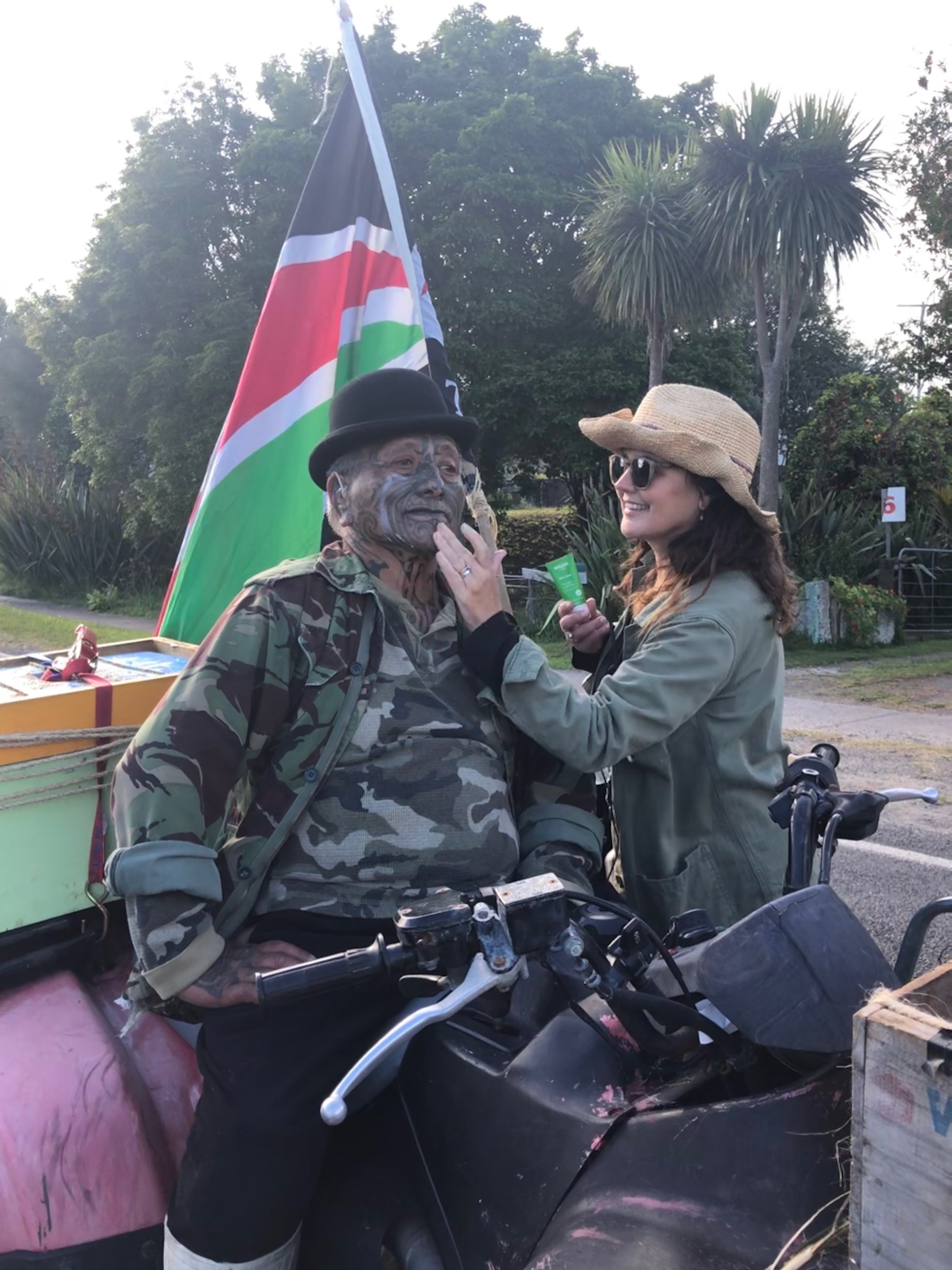
Marjory Hamlin was the first makeup designer I worked for when I got back from the UK. She took me under her wing almost immediately and employed me for the next five or six years until I was ready to head off on my own. I loved watching her work, creating FX makeups, making blood and other products in the trailer on the set of Hercules (everything was made from scratch back then) and just the quiet creative confidence she had.
Looking back, I have so much to thank her for. She gave me opportunities, believed in me and helped lay the foundations for the career I’ve been fortunate enough to have.
What keeps you passionate about working in film?
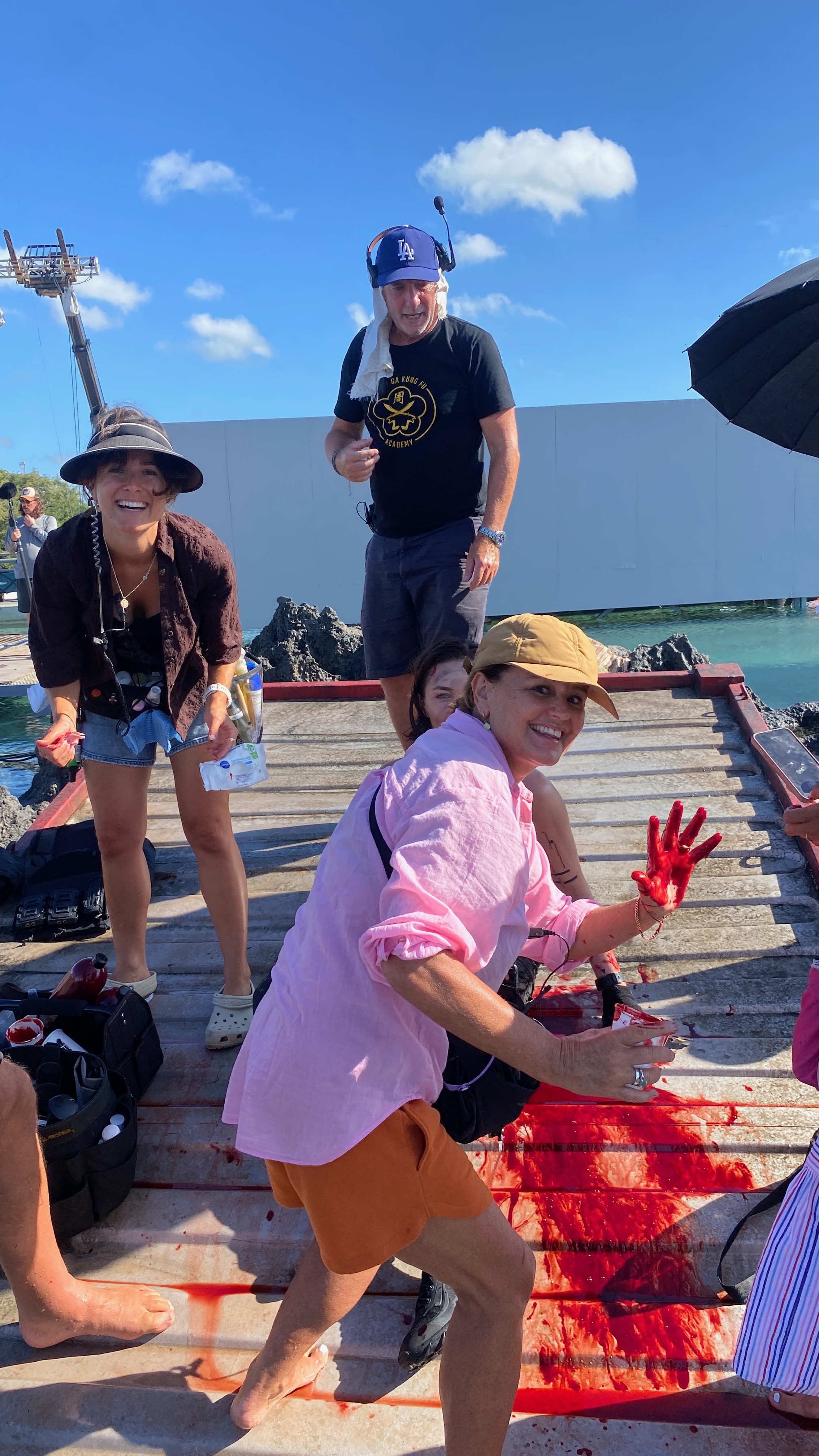
I love opening that script for the first time and that sense of turning a character from words on a page into something tactile.
I enjoy the travel film brings, the mix of people and experiences. Every set brings a different energy and that’s part of what keeps me hooked.
I also am still passionate because the work keeps teaching me. Every person in my team brings different tricks and I’m better for listening. I don’t think experience means you stop learning, if anything it makes you more curious.
And honestly, that’s what keeps me interested.
I also love the idea of passing the baton. There aren’t many jobs where you get to see people you’ve mentored flourish on their own. It makes it all worthwhile.
Not so passionate about the early starts and long days!
.jpeg)
What part of your job gives you the most satisfaction?
I’d say the transformation from design concept to watching everybody’s collective work on screen - that is such a thrill.
Also the people, always the people. A lot of crew come and go but I have some of the most treasured life long friendships from working in this industry
How does working in Aotearoa compare to other places you’ve worked?
Having worked both in Aotearoa and overseas one of the things that makes the New Zealand film industry unique is that resourcefulness. Being a smaller industry and because we’re so far away, we’ve learned to figure things out and make do instead of waiting for someone else to solve it. People tend to know each other. We collaborate across departments when it’s needed and there’s very little ego. Everyone’s focused on making the production the best it can be. And I think that reputation for being resourceful and team focused is something international productions notice when they are filming down here.
What do you think makes NZ crew unique?
I would say New Zealand crew have a unique blend of skill, professionalism and humility. A real down to earth attitude. We’re resourceful and quick to adapt when things change. People look out for each other and there is a genuine team spirit.
How do you see technology (AI, VFX, sustainability) shaping the future of our industry?
I’ve seen enormous changes in the last few decades and I think we are heading into another. AI, VFX and new technologies are already changing how films get made. And while that feels daunting, and particularly in a department like makeup and hair, I can only hope it ultimately won’t completely replace the human side of what we do. The trust we build with actors, the character work, the on set problem solving. That kind of collaboration is deeply human.
Sustainability is another area that’s becoming really important and I’m really encouraged about the progress we’re making. As a makeup hair department, we’ve traditionally generated quite a lot of waste through single use plastics, packaging and disposable products which has always been an issue for me. I try to make more sustainable choices where I (and our department as a whole) can. Reusing and recycling materials safely, reducing unnecessary materials, encouraging more thoughtful work practices. One of the best changes I’ve seen here was on ‘Spartacus’ where the production introduced a ‘Sustainability Department’, helping all departments work more responsibly. Obviously we still have work to do, but it’s a positive shift.
Coffee order or go-to snack on set?
Always coffee! It is widely known in my team that I struggle to function properly or start a makeup without a coffee in my hand.
Especially at 5 am
.jpeg)
Favourite filming location in NZ?
Last year we filmed Heart of The Beast in the beautiful South Island. Some of the locations we shot in were incredible - living and filming in Glenorchy was glorious and I never take for granted having access to the places we are privileged to go.
If you weren’t in film, what would you be doing instead?
… presuming money isn’t an issue … painting between travelling endlessly around the world!
.jpeg)
No items found.