Member Spotlight: Erika Schaab-Farrant
Making things has always come naturally to Erika. Finding her way into film came later and opened up a whole new place to put those skills to work.
Published on:
October 21, 2026

Some people see fabric. Erika Schaab-Farrant sees possibility.
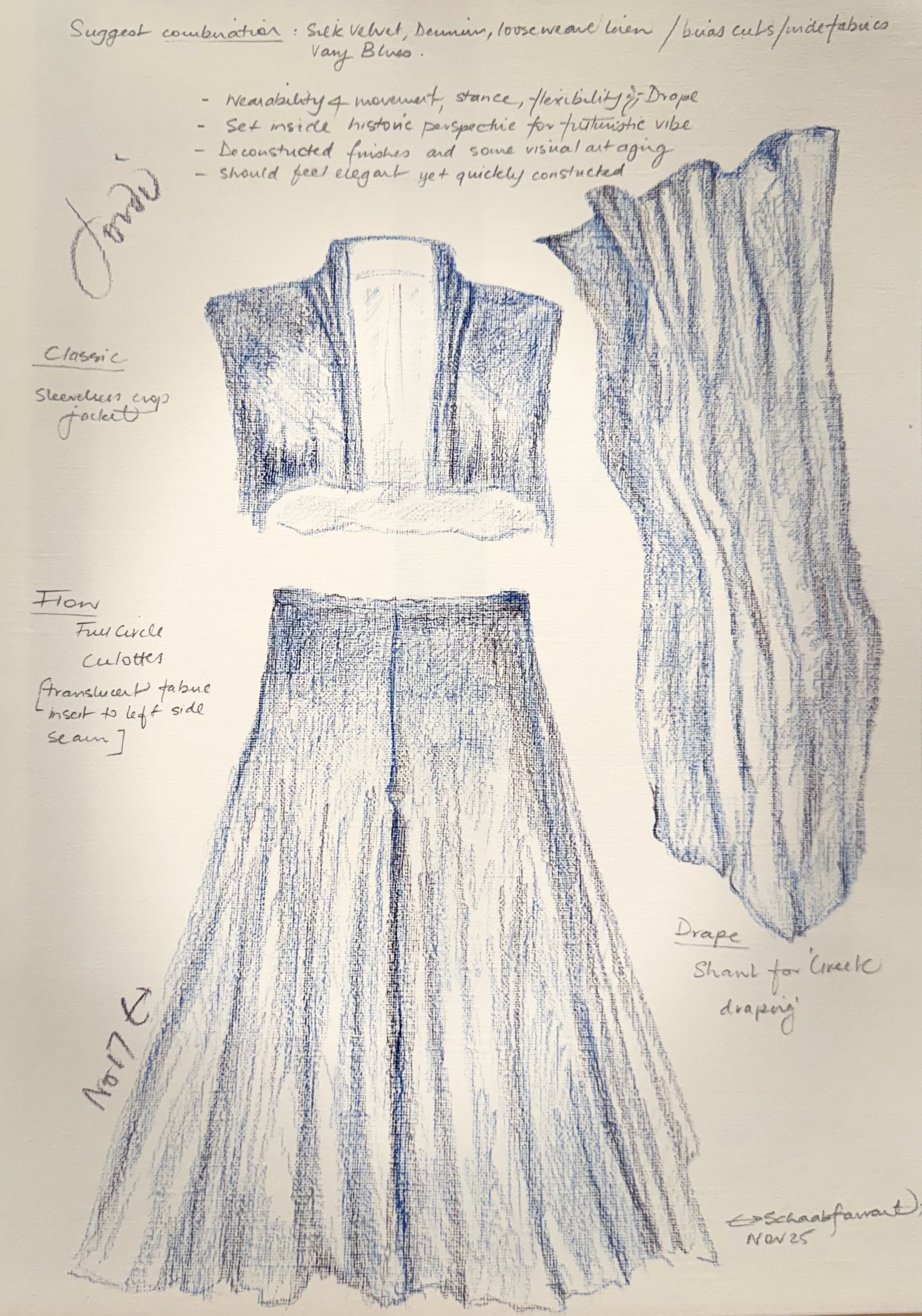
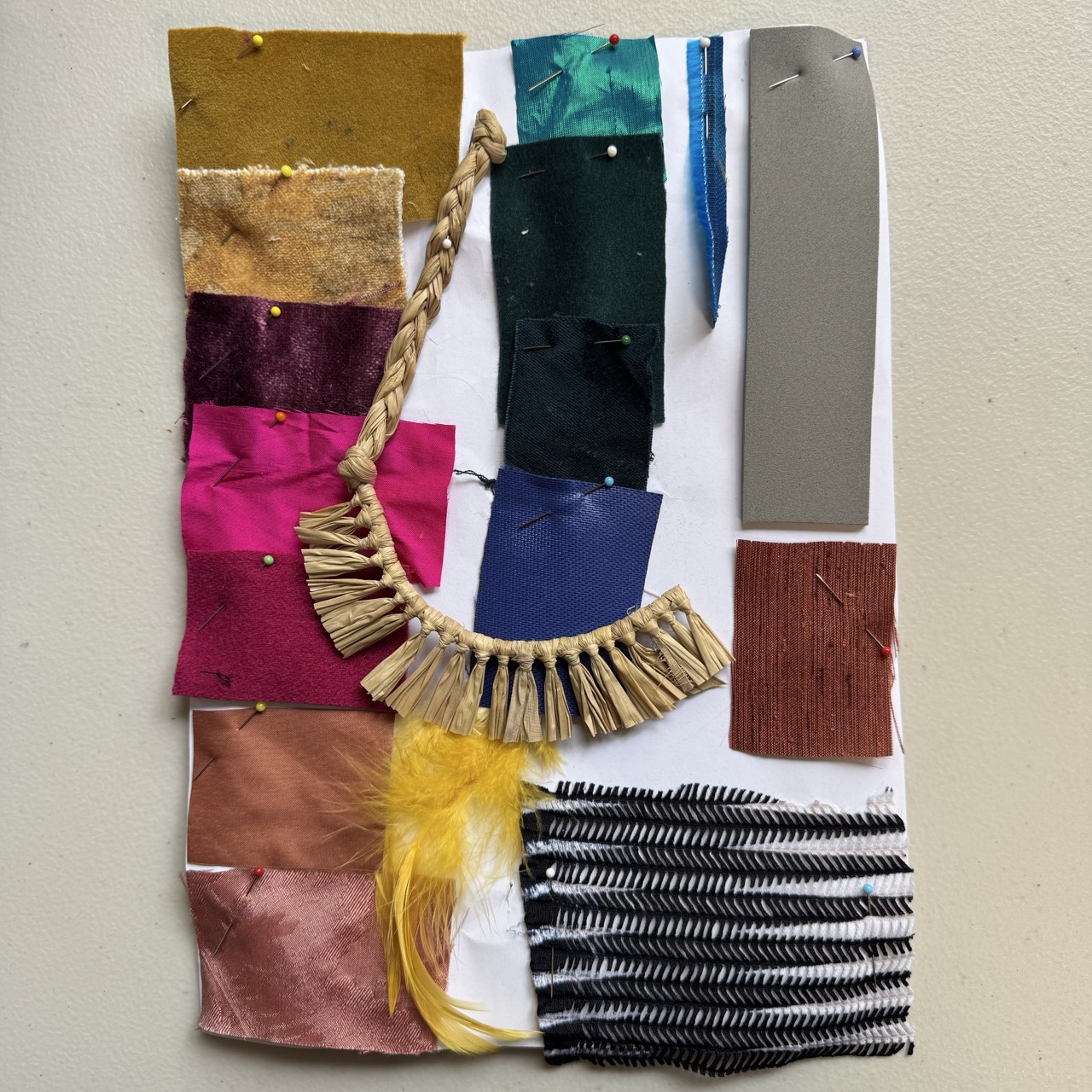
Silk taffeta rustling over a laced boot, a costume taking shape around a character, a piece of textile becoming part of a much bigger story - these are the details that still light her up. Erika’s route into the screen industry wasn’t a straight one, but making things has been there all along: drawing and painting, garment construction, millinery, teaching, and eventually costume.
Since her first paid set job in 2019, she’s kept saying yes, learning from the people around her and finding new places for those skills to land.
What was your first paid role on set, and what did you learn from it?
My first paid role on set, via Filmcrews newbie membership, was as wardrobe assist for an Energy Online TVC in 2019; the beginning of selling a few different skills to keep afloat.
I learnt to provide options at pace, document all imagery for continuity, override my nerves and, most importantly, listen to decision makers with the ‘can do’ attitude I’d brought with me from a past life. I’d come from education, but my side hustle was garment design and construction skills while raising my three babies.
What first inspired you to work in film?
I grew up making something from nothing through hobby crafts like Fimo beads and macrame, crochet, leather stamping et al. I also loved to draw and paint, so I’d hoped to be an animator, then a fashion designer, then a visual artist, as I was obsessed with art history.
I became a teacher as a ‘safe’ career when my father passed. Art processes were certainly required, but a fascination with garment construction and the way people dressed for fashion or film never left me, so I studied pattern making, construction and millinery in Dunedin when my first was born. I won the high fashion wool award for a tailored suit: flares, contrast jacket panels and headpiece. Teaching had to continue to pay the bills, but it became a natural habit to help kids light up learning through storytelling and costumes.
One night at a family dinner many years later (I’d been debating the state of education plus describing garment commissions I’d made), my brother-in-law, an experienced cinematographer, suggested I take my side hustle to the film world. And so it goes…
Looking back, first inspirations to work in film stem from Disney, Edith Head gowns and Bob Mackie rock star/stage sparkling outfits; the characters, fabrics and storytelling magnetised me.
All art, all fabric, all character ‘armour’.
Who have been some of the biggest influences or mentors in your career?
So many skilled filmies kept showing me the way forward because I did the work and I showed up ready, from chaperone to art department to costume.
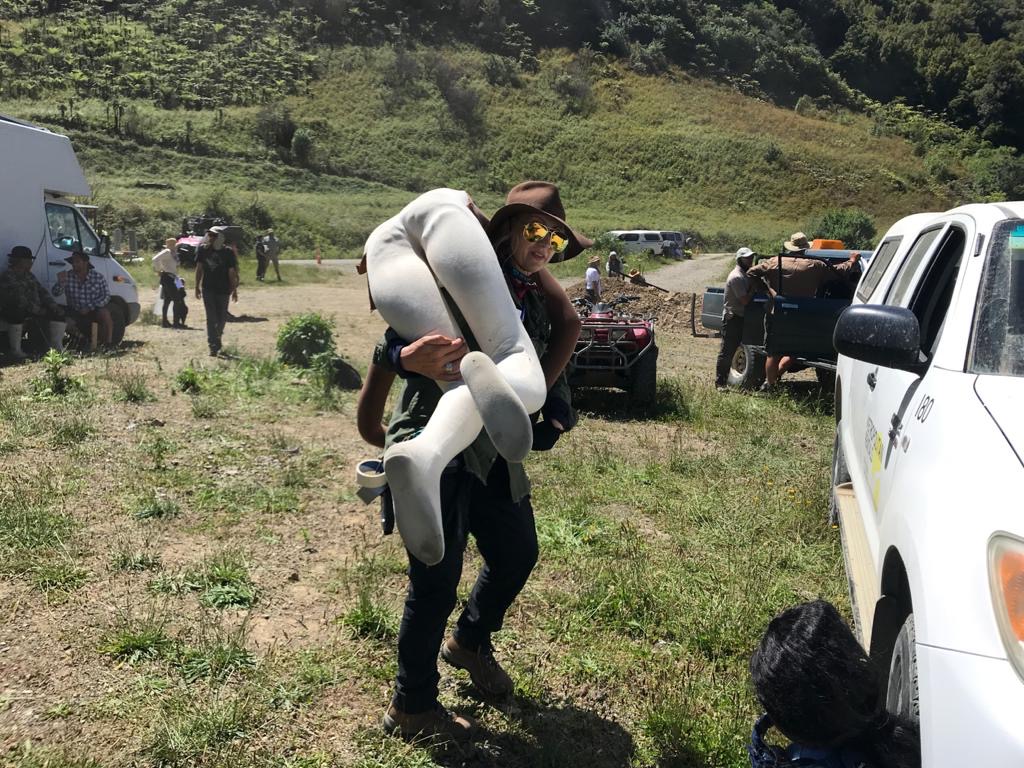
Sioux Ferguson-MacDonald Filmcrews believed in my offering even though I was completely green to the film industry and completely unknown crew. Costume Designer Tracey Sharman told me she respected resilience and showed me that systems of organisation are the foundation. Art Department Textile Collective gave me continued opportunities to work and learn. Chrystal Ashford hired me to assist her for standby props, and so I learnt roles and responsibilities. Tame Iti told me to let my art out during the filming of Muru. Costume Supervisor Brett Garten led me to the river so I’d fully focus on dressing costume props even though it was sweltering.
Warner Bros, New Zealand Film Commission and Amanda Neale’s team embraced me as costume mentee for A Minecraft Movie. Set Decorator Penny Kerr’s ‘team Spartacus’ reset my textile joy and asset uplift coordinator/production manager Austin Alig taught me the value of asking. Producers and production houses, directors and actors, have trusted me. Costume Designer Jeriana San Juan thanked me for costume making and standing by on-set with focus.
These influences and on-the-job mentors have given me the confidence and know-how to progress the work I love to do from the ground up.
What are you most passionate about in your work?
I’m passionate about textiles and how they can be shaped, stitched or styled to achieve the right fit for a character brief. The sound of silk taffeta rustling atop laced boot or heeled shoe lights me up, and no job is too small when considering a story vision.
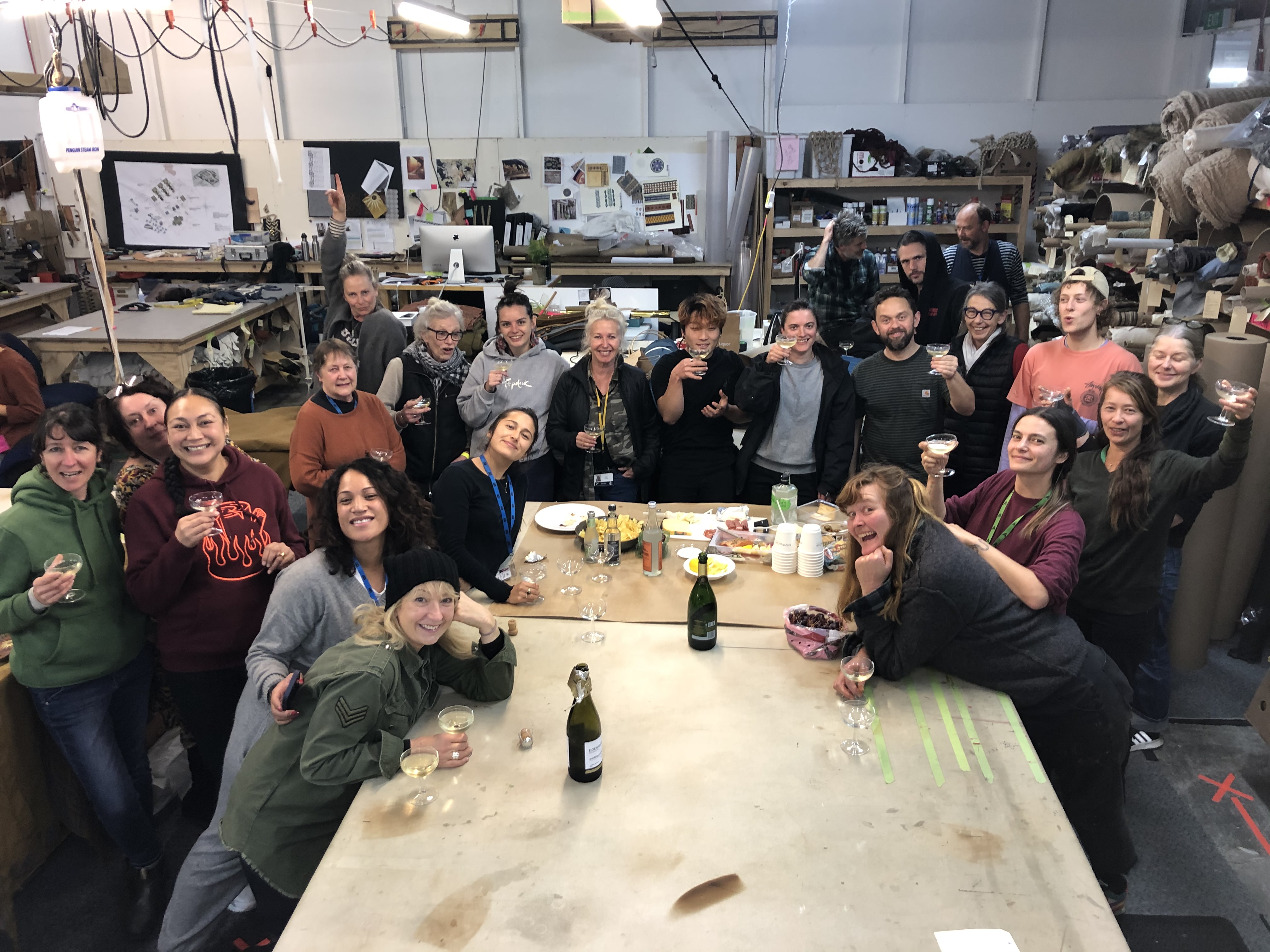
Film family team spirit is a remarkable experience. When productions create a respectful culture of layered comms, crews are the dream team in my experience.
How do you define success in this industry?
Success is heading home late at night knowing you’ve given the task at hand your all and the team can now have a well-earned rest.
Film work supports the need to pivot between skill sets to get the job done. You’ve got to say ‘Yes’ to the small jobs to keep the earnings rolling in. I haven’t worked overseas yet, but I’ve worked with many international and local production blended teams. Kiwi crew take Aotearoa to the world and back.
Professional Respect intention is strengthening film industry and New Zealand leads with this light; Screen Guild/Screen Safe provide awesome courses I’ve participated in.
What would you like to see for the industry over the next five years?
Over the next five years I hope Screen Guild can progress job sharing so everyone can get paid enough and sleep more.
AI will hopefully need human assistance to maintain human persona with real people on screen; being creative hands-on by nature will hopefully prove an invaluable asset when collaborating with machines for immersive entertainment and more.
What advice would you give to someone starting out in the film industry?
My advice to those starting in film is: say ‘Yes’, keep calm, show up as yourself, do the mahi with good grace and keep asking with humility.
Screen Guild offers so many benefits and a grounded network. Be prepared to learn on the job every day from everyone around you across departments. Skills plus doing the work with care makes you an asset going forward. If you’re employed on continuous contracts, keep building skills. I paint on days off.
Ask for a job plus a mentor, a deal memo and a pay rate fair for your experience; know when to speak and when to ‘hurry up and wait’. One lesson film industry has taught me is to listen so you can deliver what’s required.
You’ll be told resilience and levity matter most, and that’s worth hearing whatever age you are.
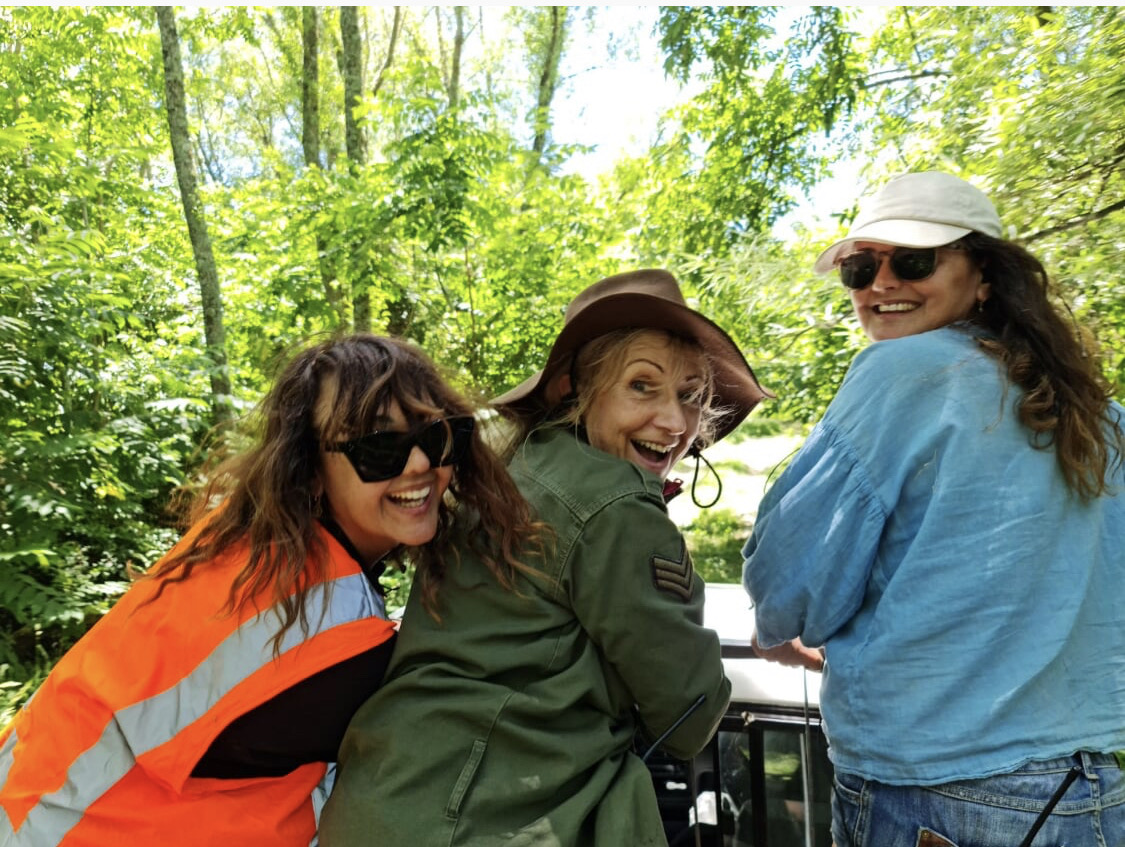
What’s been a favourite filming location?
A favourite film location is West Coast Auckland; wide horizon view with a light blue breeze as toi toi wave to The Piano breaking the surf.
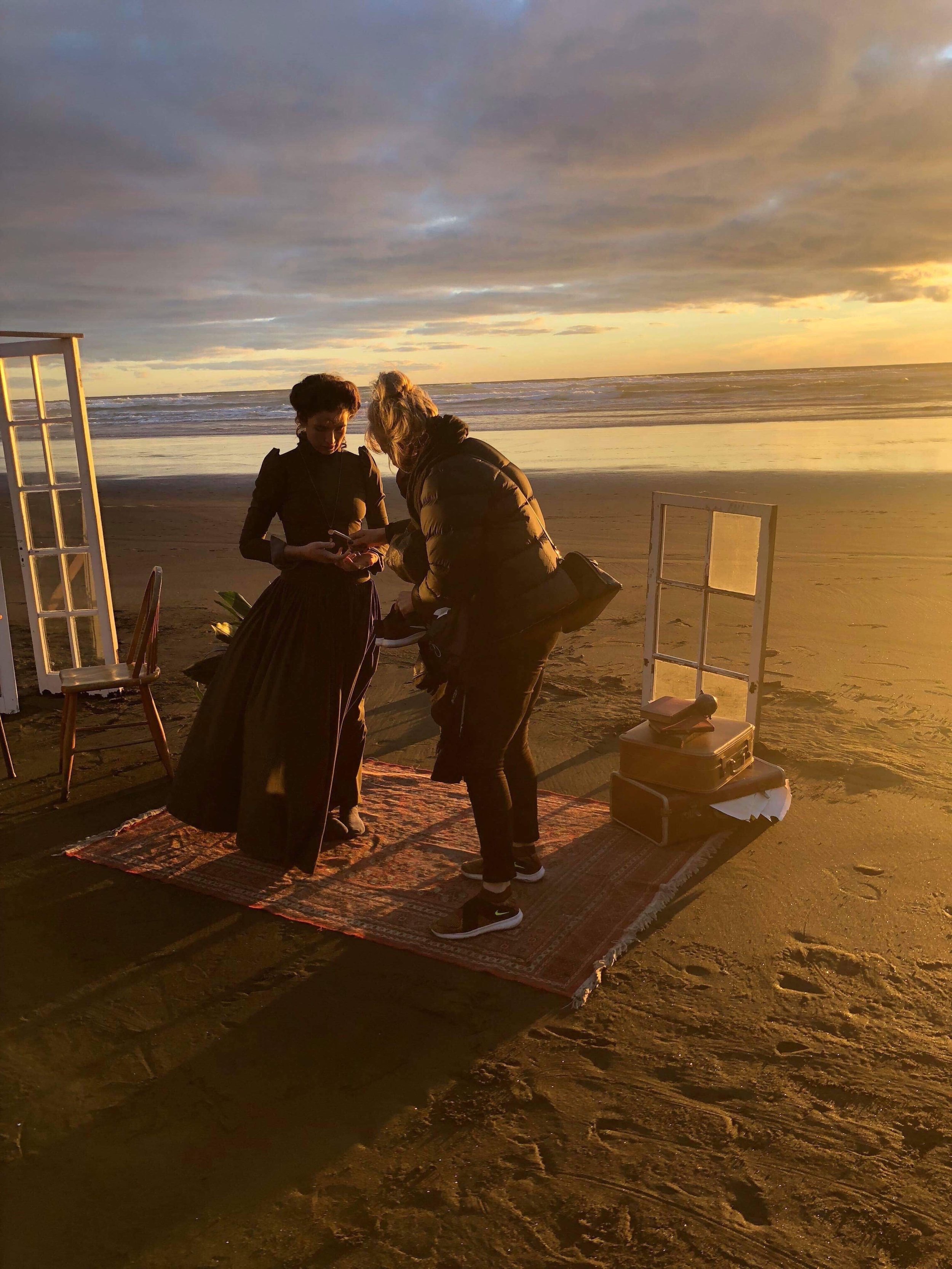
What’s your go-to snack on a long shoot day?
My snack of choice has to be a mid-afternoon cool drink with a vase of colourful flowers standing by with Valentina.
Is there a film that has particularly inspired you?
Sofia Coppola’s Marie Antoinette with Milena Canonero’s macaron-inspired costume colour palette (with powder blue Chucks in the pan shot of shoes) feels like the soundtrack that injected inspiration for my offering in film.
He waka eke noa.
No items found.