Professional Respect Is Part of Safe Production

A safe set is not only about managing physical hazards, technical risk, fatigue, vehicles, equipment or location conditions. It is also about how people treat each other.
ScreenSafe is reminding the sector that bullying, harassment, sexual harassment, intimidation, humiliation, inappropriate comments, unwanted behaviour and abuse of power have no place in the screen industry. These behaviours are workplace safety issues, and they must be treated seriously by everyone involved in a production.
From development and prep through to shoot, post, publicity and wrap, every person working in the screen sector has the right to a workplace where they are treated with dignity and respect.
Behaviour sets the tone
Productions move fast. Crews work long hours, often under pressure, in close proximity, and across changing locations and teams. That makes it even more important that expectations are clear from the start.
Respectful conduct should never be assumed. It needs to be communicated, modelled and reinforced.
This means making sure everyone understands what behaviour is expected, what behaviour will not be tolerated, and how concerns can be raised safely. It also means acting early when behaviour falls below the standard required.
Bad behaviour should not be excused as “just the way the industry works”, “creative pressure”, “banter”, “personality”, or “part of the job”. If behaviour makes someone feel unsafe, targeted, degraded, pressured or unable to do their work, it needs to be addressed.
Bullying, harassment and sexual harassment are safety risks
Bullying, harassment and sexual harassment can cause real harm. These behaviours can affect a person’s health, confidence, safety, ability to work and willingness to stay in the industry. They can also damage teams, productions and the wider reputation of the sector.
A safe production culture is one where harmful behaviour is not ignored, minimised or passed on for someone else to deal with later.
ScreenSafe encourages all crew, production teams, HODs, producers and employers to familiarise themselves with the Bullying and Harassment guidance available on the ScreenSafe website. The module provides practical information to help people understand inappropriate workplace behaviour, recognise risk, and support safer, more respectful working environments.
Prevention starts before the first day on set
Creating safe workplaces starts long before cameras roll.
Producers, production companies, HODs, managers, agencies and anyone responsible for hiring or engaging people should think carefully about conduct, culture and risk when building teams. Vetting potential crew, talent, presenters, contractors and key personnel is part of responsible production planning.
Creative ability, profile, availability or commercial value should not outweigh workplace safety. The people brought into a production shape the tone around them. When someone is given power, visibility or influence on a project, productions should be confident that person understands and respects professional boundaries.
This does not mean relying on gossip or hearsay. It means taking due diligence seriously, using proper hiring processes, checking references where appropriate, having clear contracts and codes of conduct, and making sure expectations are understood before work begins.
Leadership matters
Everyone has a role in creating respectful workplaces, but leadership carries particular responsibility.
Producers, directors, line producers, production managers, HODs, supervisors, senior crew and talent representatives help set the standard. Their behaviour tells others what is acceptable. Their response to concerns tells people whether it is safe to speak up.
Good leadership means knowing the expected standards of conduct, communicating those standards clearly, intervening early when behaviour is inappropriate, supporting people who raise concerns, not retaliating against those who speak up, keeping records and following proper processes, and taking action when behaviour creates risk.
A respectful workplace is not created by a policy sitting in a folder. It is created through everyday decisions, conversations and accountability.
Make it easy to speak up
People are more likely to raise concerns when they know where to go, who to talk to and what will happen next.
Productions should make reporting pathways clear during induction, call sheets, safety briefings and crew communications. Crew should know who the appropriate contacts are if they experience or witness bullying, harassment, sexual harassment or unsafe conduct.
Concerns should be handled carefully, respectfully and confidentially where possible. People raising concerns should not be blamed, isolated or made to feel that speaking up will cost them future work.
For productions, responding well is part of the duty to provide a safe working environment. It also helps prevent harm from escalating.
Use the ScreenSafe guidance
ScreenSafe is encouraging production teams and crew to use the Bullying and Harassment module on the ScreenSafe website as part of normal production planning, induction and team culture setting.
This guidance can help productions start conversations early, set expectations clearly, and support everyone to understand what respectful behaviour looks like in practice.
Safe sets are built through preparation, leadership and accountability. Professional respect is not an add-on to production safety. It is central to it.
Additional Tools for Download:
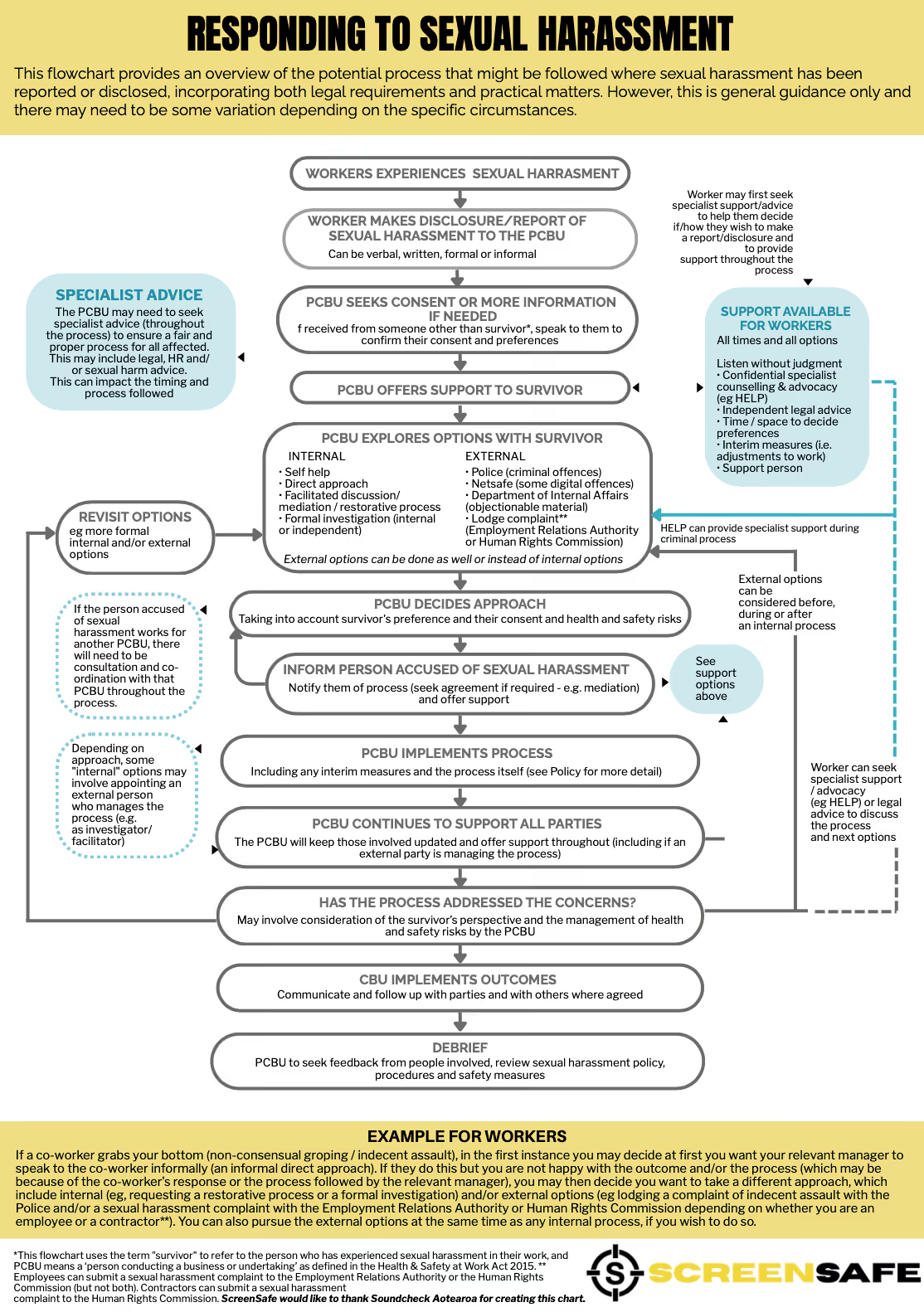
1. Responding to Sexual Harassment - POSTER
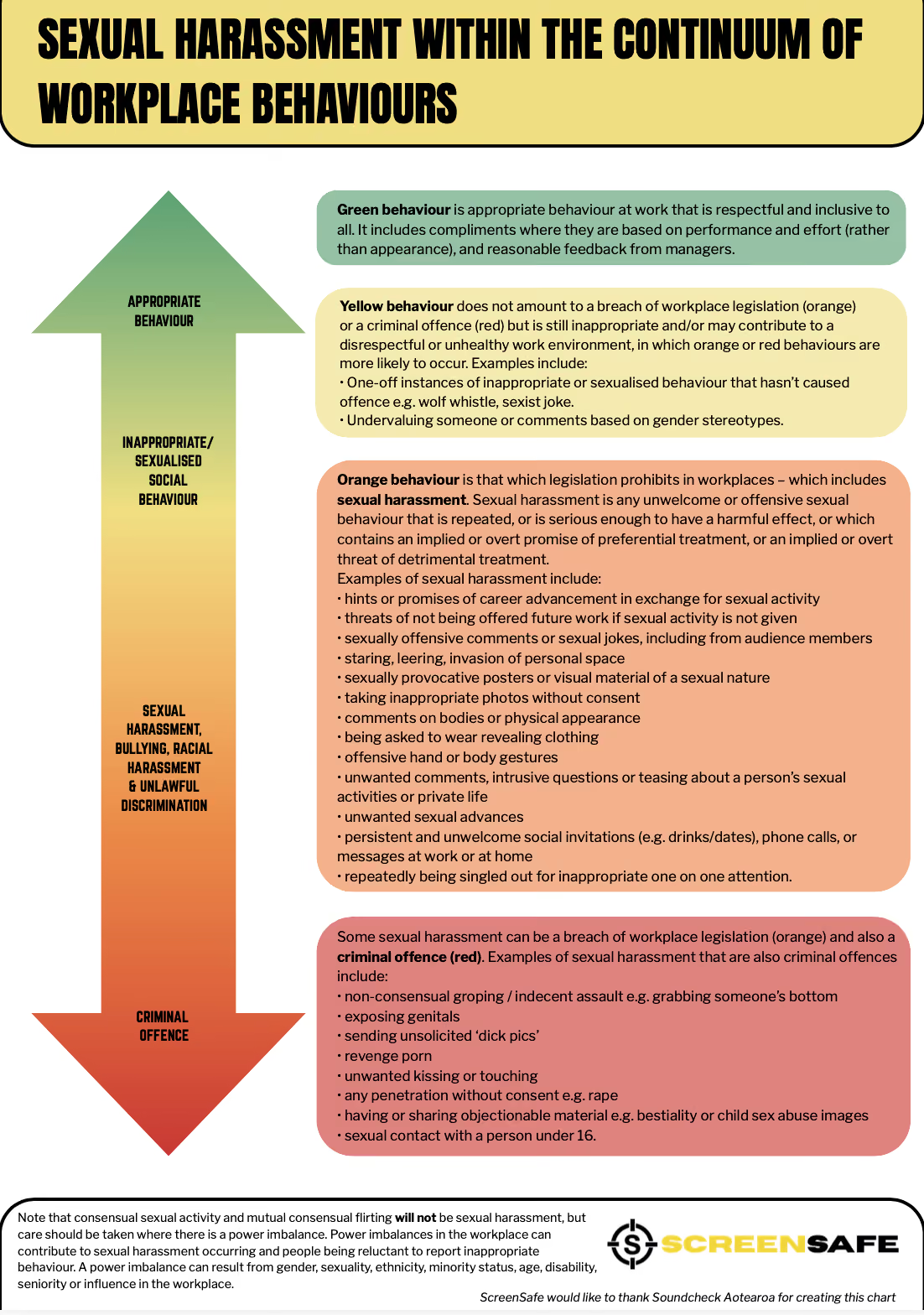
2. Sexual Harassment within the Continuum of Workplace Behaviours - POSTER
Related articles