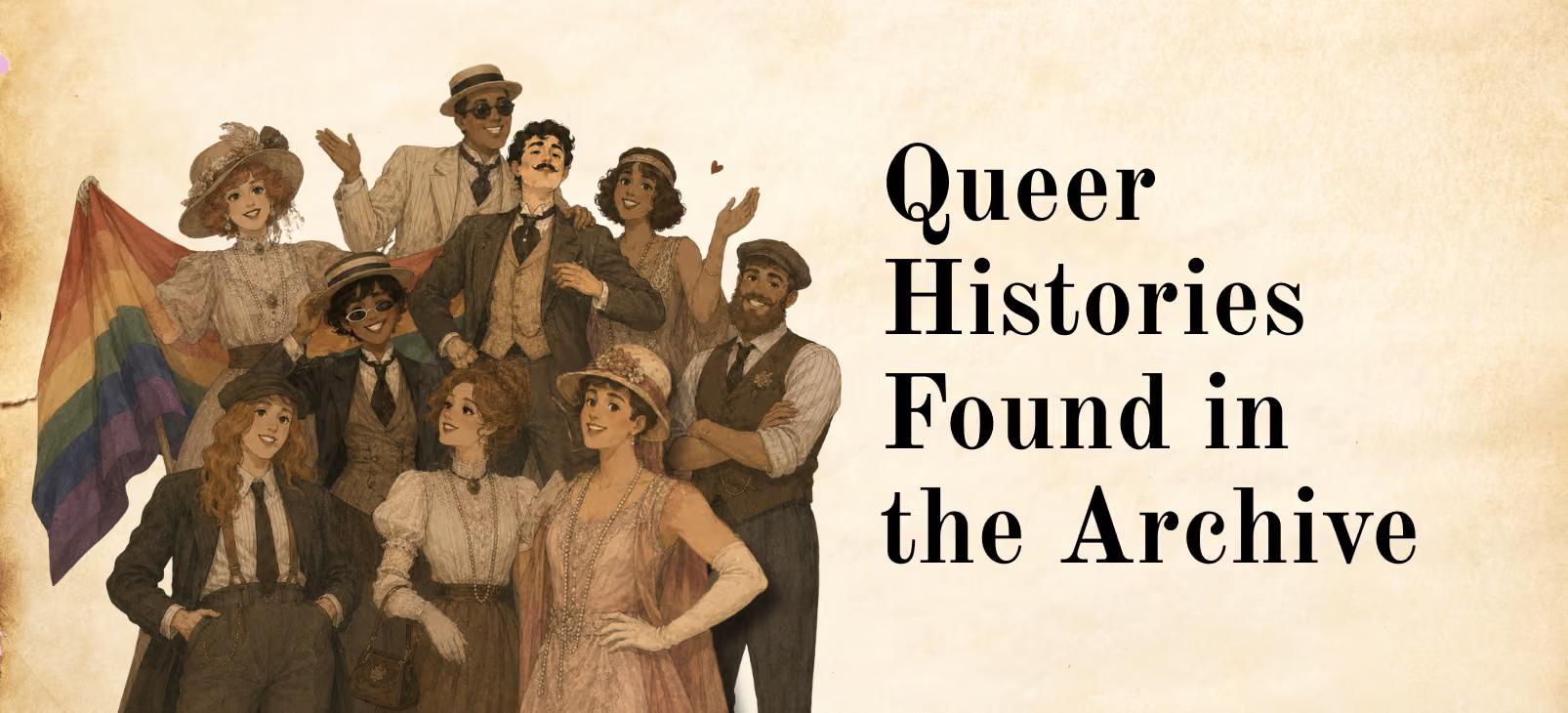
Queer Histories Found in the Archive
Examples of queer life in Aotearoa can be found across the Ngā Taonga collection. However, it is often hidden as the queer individuals of history were in hiding themselves. Between 1893 and 1986, homosexuality was effectively illegal , and LGBTQIA+ people faced social stigma, discrimination, and violence. Sexual acts between men were explicitly banned, and those who got caught faced harsh punishments under laws originally imported from England. All other queer people, including lesbians, takatāpui, and anyone gender non-conforming lived in a legal grey zone that could have disastrous personal consequences if they were outed.
In such a hostile legal and social environment, there were many good reasons for keeping gay relationships and nonconforming gender identities private. Nevertheless, some queer New Zealanders have always been visible – and audible.
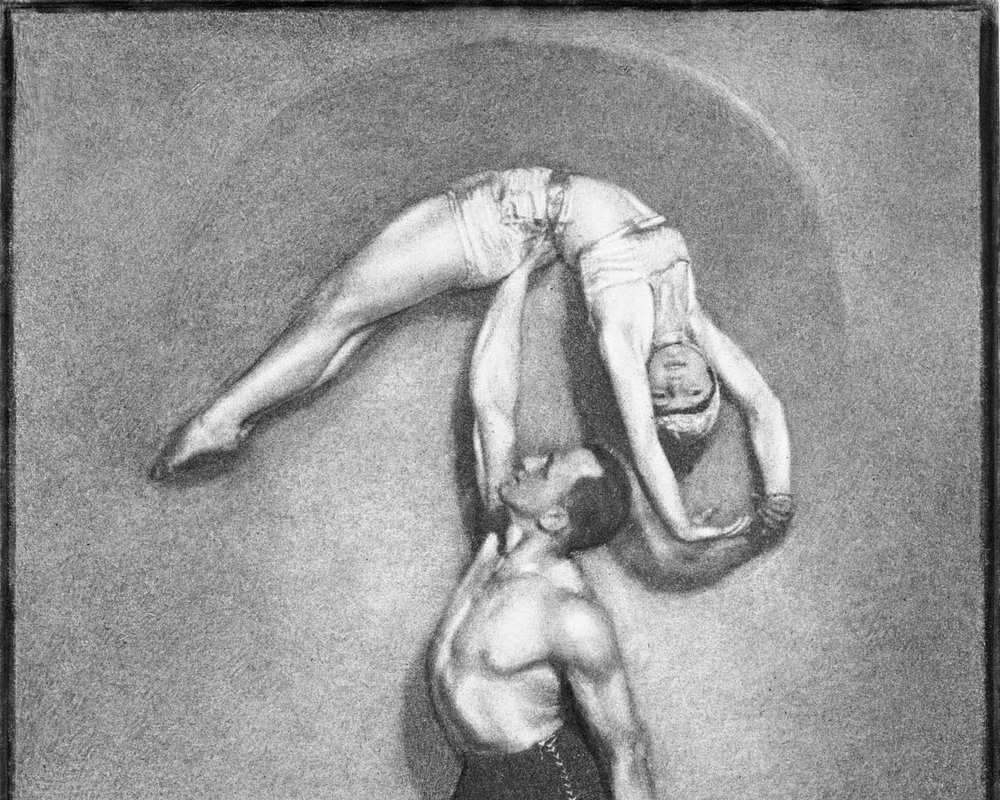
Below is a collection of queer audiovisual material held in the Ngā Taonga archive, spanning from the early 20th century through to Homosexual Law Reform in 1986. Under the section Hidden Queer Identities we look at people who were in same sex relationships, but either concealed or stopped just short of naming them. Early Queer OrganisingThrough to Law Reform tracks the long legal path to decriminalisation, introducing some of the individuals and organisations on both sides of the debate. Transgender Identitiesin the 1970s contains some remarkable early TV and radio appearances by openly trans women, who risked public ridicule and worse to have their say.
Hidden Queer Identities
Early Queer Organising Through To Law Reform
Transgender Identities in the 1970s
Read Original article HERE