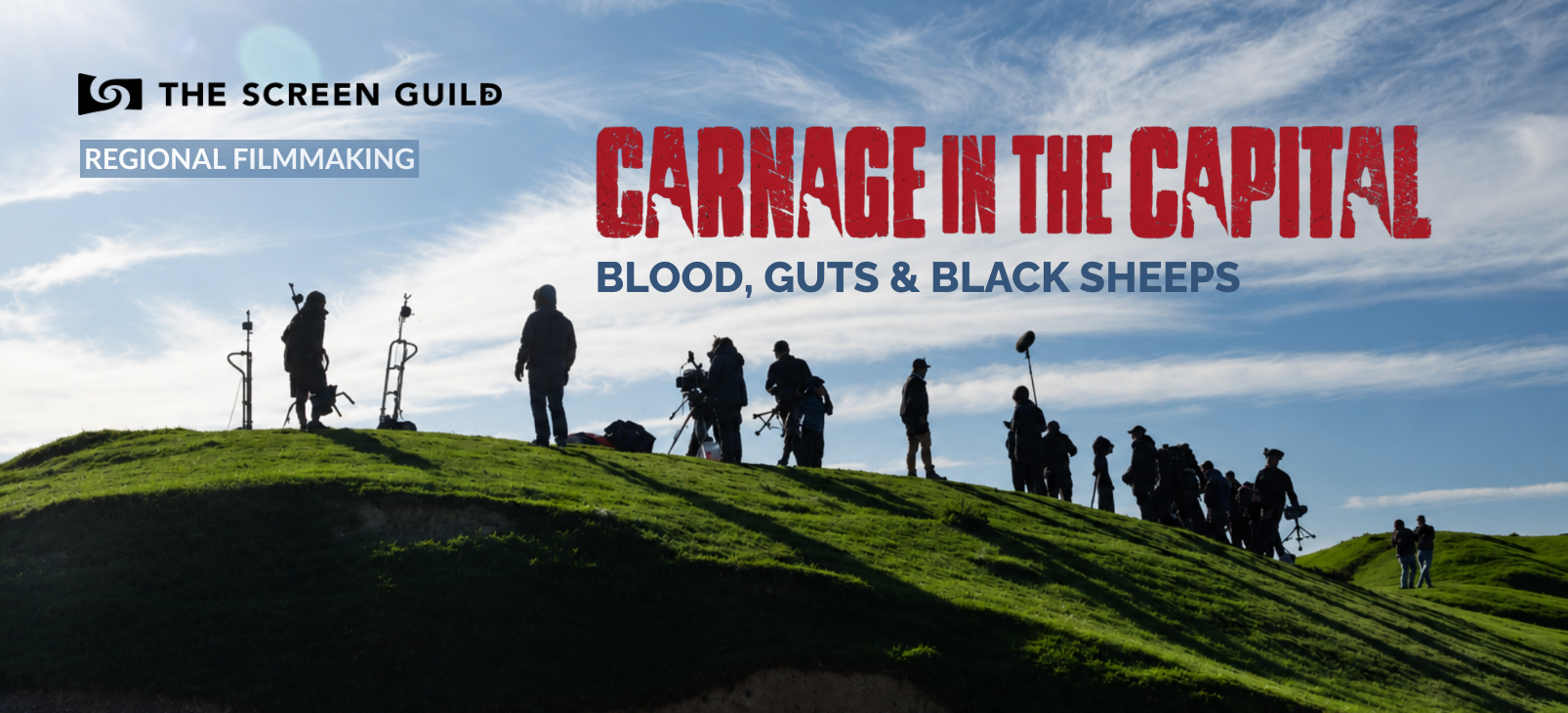
Regional Filmmaking Spotlight: Carnage in the Capital: Blood, Guts and Black Sheeps

Twenty years ago, Black Sheep took one of New Zealand’s most familiar sights - sheep - and turned them into something considerably less friendly. Now the killer sheep are back.
Jonathan King’s Black Sheeps returns to the world of his 2006 cult horror-comedy, bringing back familiar faces, Wētā Workshop creature effects and a new generation of blood, guts and practical mayhem. This time, a young scientist investigating a dangerous new pathogen finds herself drawn back to the community neighbouring the sheep station where the original carnage began.
The sequel also returns to where Black Sheep was made: Wellington. Filming took place across the region, including Ōhāriu Valley and the sound stages at Avalon, with Wellington crew working across practical effects, prosthetics, puppetry and VFX to bring the new film’s considerably messy world to life.
Among those returning was Screen Guild Member and 1st AD Sarah Bicknell, who worked as 2nd AD on the original film twenty years ago. We caught up with Sarah about coming back to Black Sheeps, filming across Wellington, scheduling around gore and creature effects, and what happens when fake bloody limbs meet Wellington wind.
What did Wellington offer Black Sheeps as a place to make the film, both in terms of locations and the crew and resources available locally?
Wellington has an amazing pool of talented film professionals who came together on this film to create a wonderfully creative and hardworking crew.
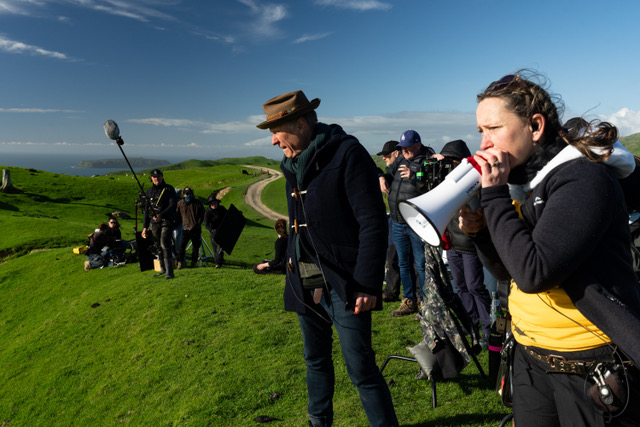
The region has a great diversity of locations close by, including the stunning Boomrock and Ōhāriu Valley rural landscapes. Although they provided some challenges in the spring weather, they were beautiful places to work - lots of nice sunset and scenic photo opportunities!
The film brought together physical effects, practical creature effects, stunts and extensive VFX. What did that combination mean for the AD team when planning and running the shoot?
There were a lot of logistics to work through in the scheduling process, with the usual cast and location availability challenges, but also making time for and scheduling around specific gory prosthetics and puppetry builds.
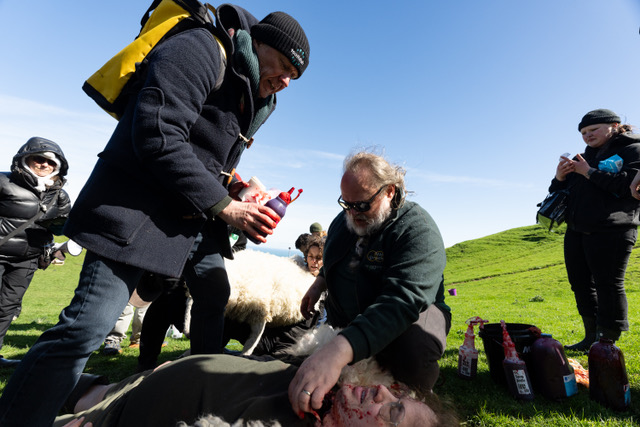
During the shoot, we had to incorporate time for blood and gore resets and often wouldn’t see the full effect of a rig until the take. Some worked perfectly first time, some needed retakes, always hard to schedule around the slight unknown!
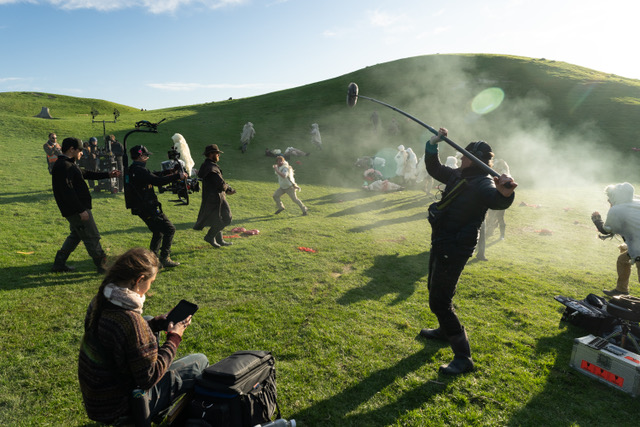
Our crew were amazingly nimble and working on multiple gags at once, particularly on our big “carnage” days, where we were hopping all around the location shooting little gory vignettes and setting up others at the same time.
Were there particular sequences or locations that were especially challenging to pull together? What made them complicated from a production point of view?
Our main story location, where the eco house was set, was actually divided between multiple different locations, which were all put together brilliantly in post, with the VFX team playing a big part in making sure we had what we needed to make each part work.
It made it quite complicated for me to make sure we had all the different parts of a scene covered, although JK had it all fully worked out in his head!
The carnage scenes were pretty challenging, as they involved a lot of blood, guts and gore, and they were shot over a number of days with different weather going on - also a huge amount of wind! The vision of fake bloody limbs being blown across a paddock and people running after them still haunts me.
With studio work at Avalon alongside rural location shooting, how different were the demands of those two environments for you and the AD team?
A bit of a sigh of relief in the studio, as there was no weather to deal with, which is always a relief. I personally love filming at Avalon - it has everything you need, is in a good location and the staff there are so accommodating.
For a production like Black Sheeps, what do you need from a region beyond the locations themselves?
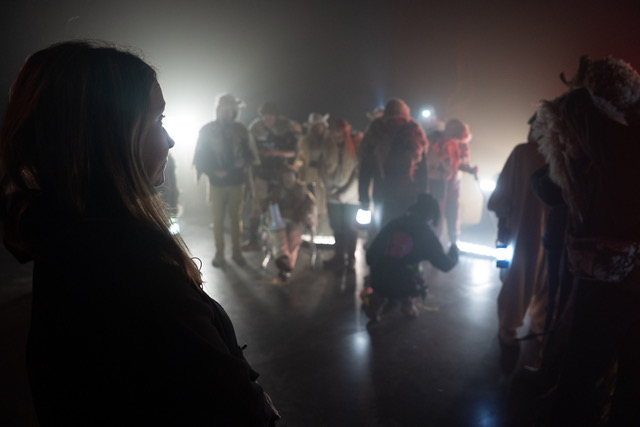
Great crew, good local onscreen talent and great communities to film within accommodating neighbours and a good mix of people who want to be extras.
We have fantastic SFX and prosthetic teams and, of course, Wētā Workshop, who were such a key component in this film plus some well-trained sheep!
You were also 2nd AD on the original Black Sheep 20 years ago. What was it like returning to that world, this time as 1st AD?
It was such a privilege to be part of both films, and as a 1st AD this time I got to be more of a part of the actual on-set action than on the first film, where I was more based at trailer park and hearing all the on-set stories!
So cool to work with Jonathan again, but also great to see and work with Nathan Meister.
Looking back now, is there anything from the shoot that particularly stays with you?
I really enjoyed the crew on this film. My AD team did a fab job, and I really feel like the whole crew banded together through thick and thin - and wind and rain and blood and guts - to get it done with humour and creativity.
Black Sheeps is heading first to Spain for its world premiere at the Sitges Film Festival in October, before returning home for its New Zealand premiere at Terror-Fi Film Festival, screening in Wellington on 24 October and Auckland on 28 October. The film opens in cinemas nationwide on 12 November.
Photo Credit: Rebecca Macmillan