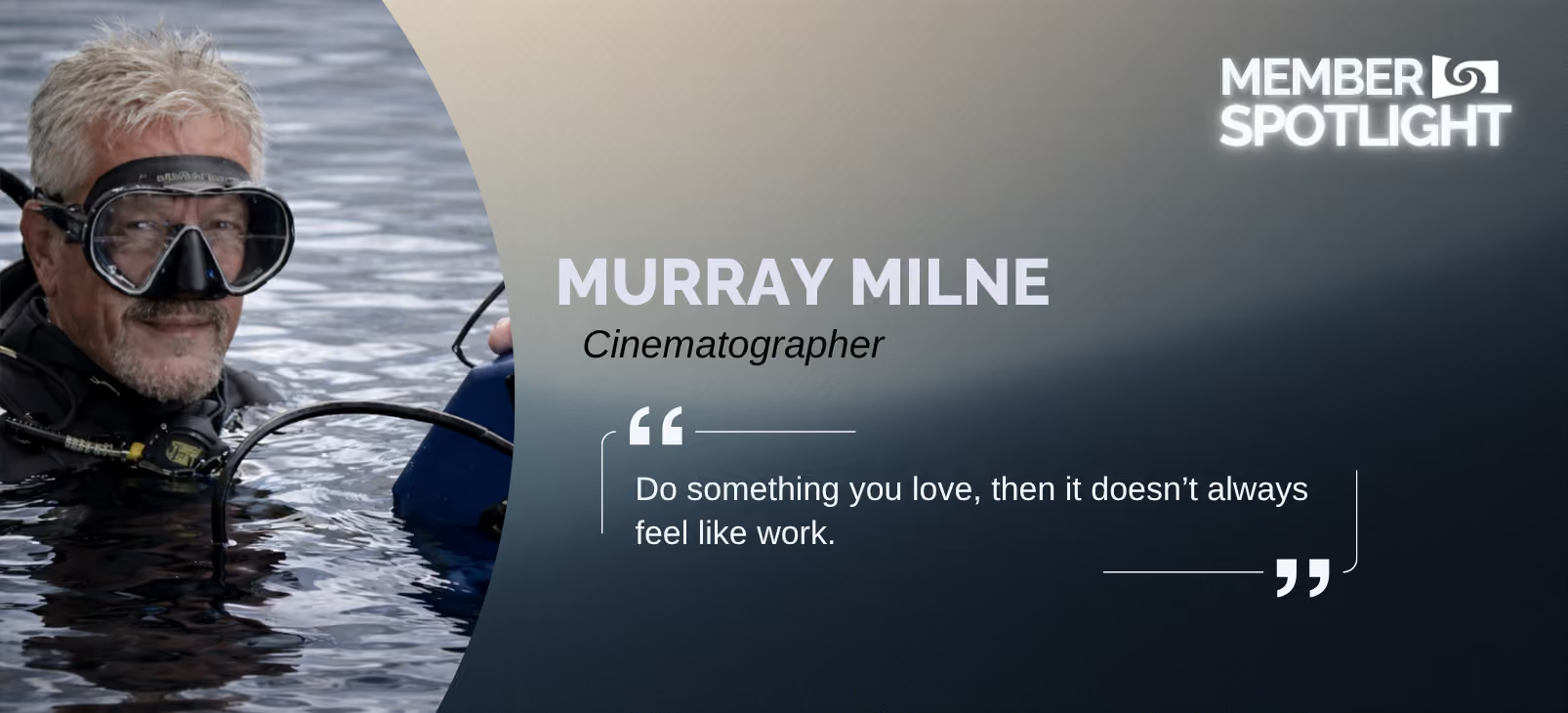
Member Spotlight: Murray Milne
Murray Milne could have gone into aviation, but chose film instead - still working in the air, just through the lens.
Published on:
April 13, 2026

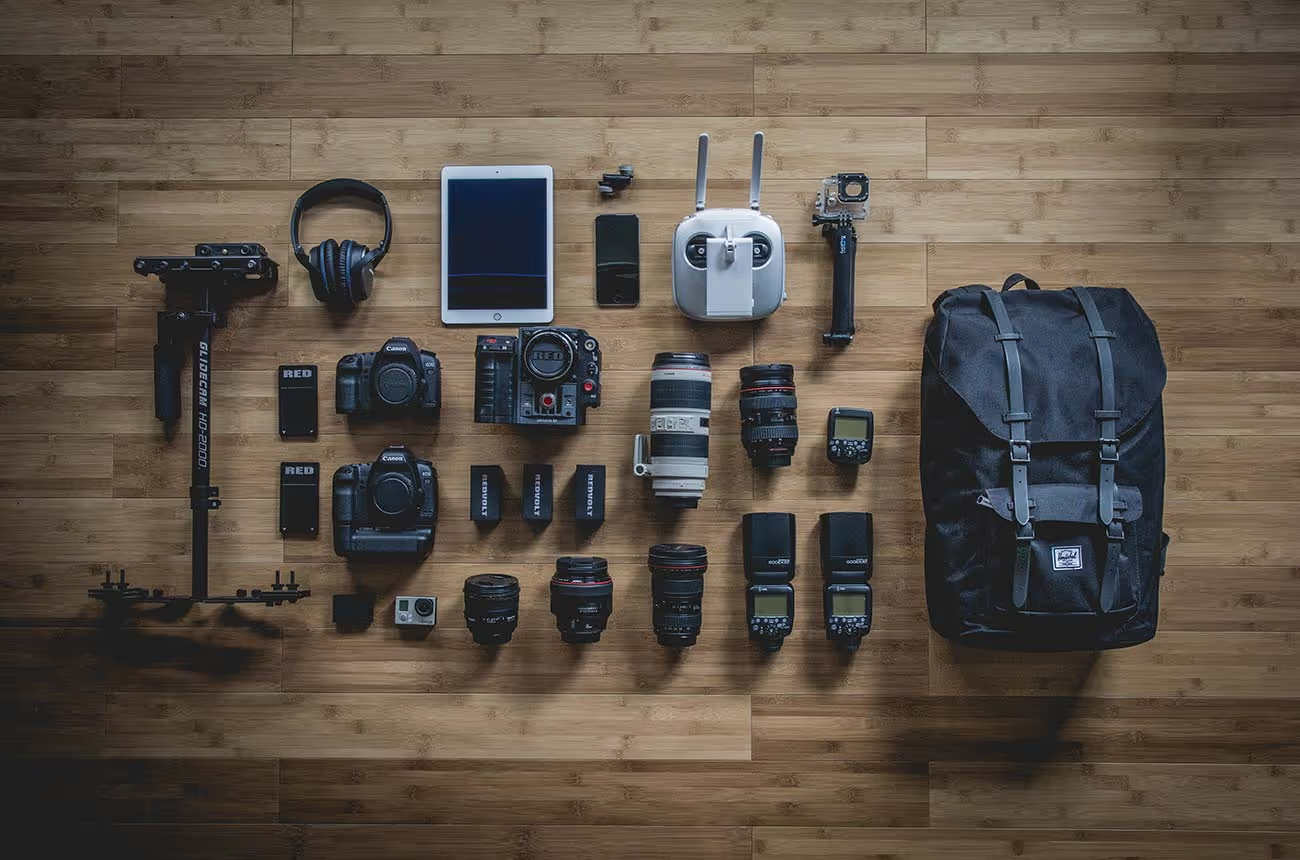
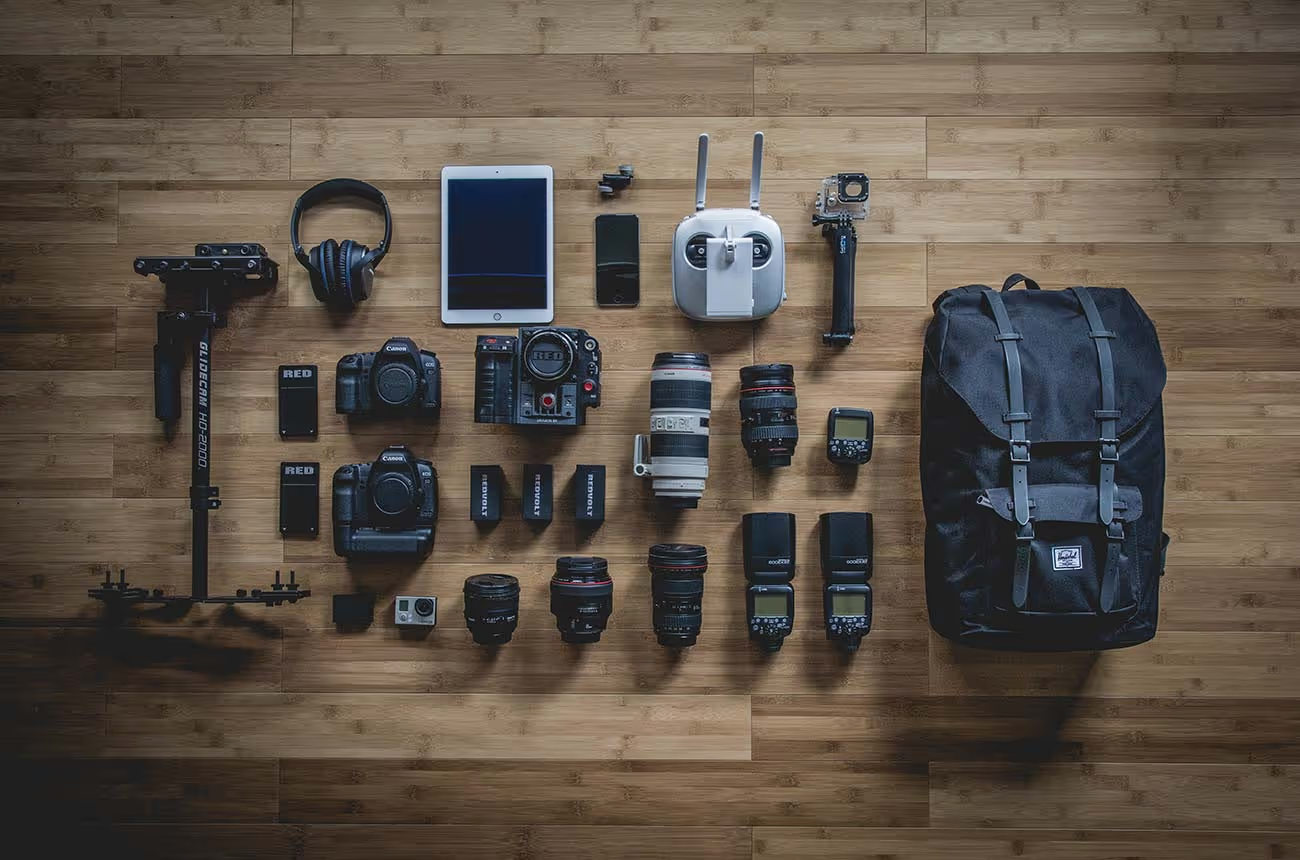
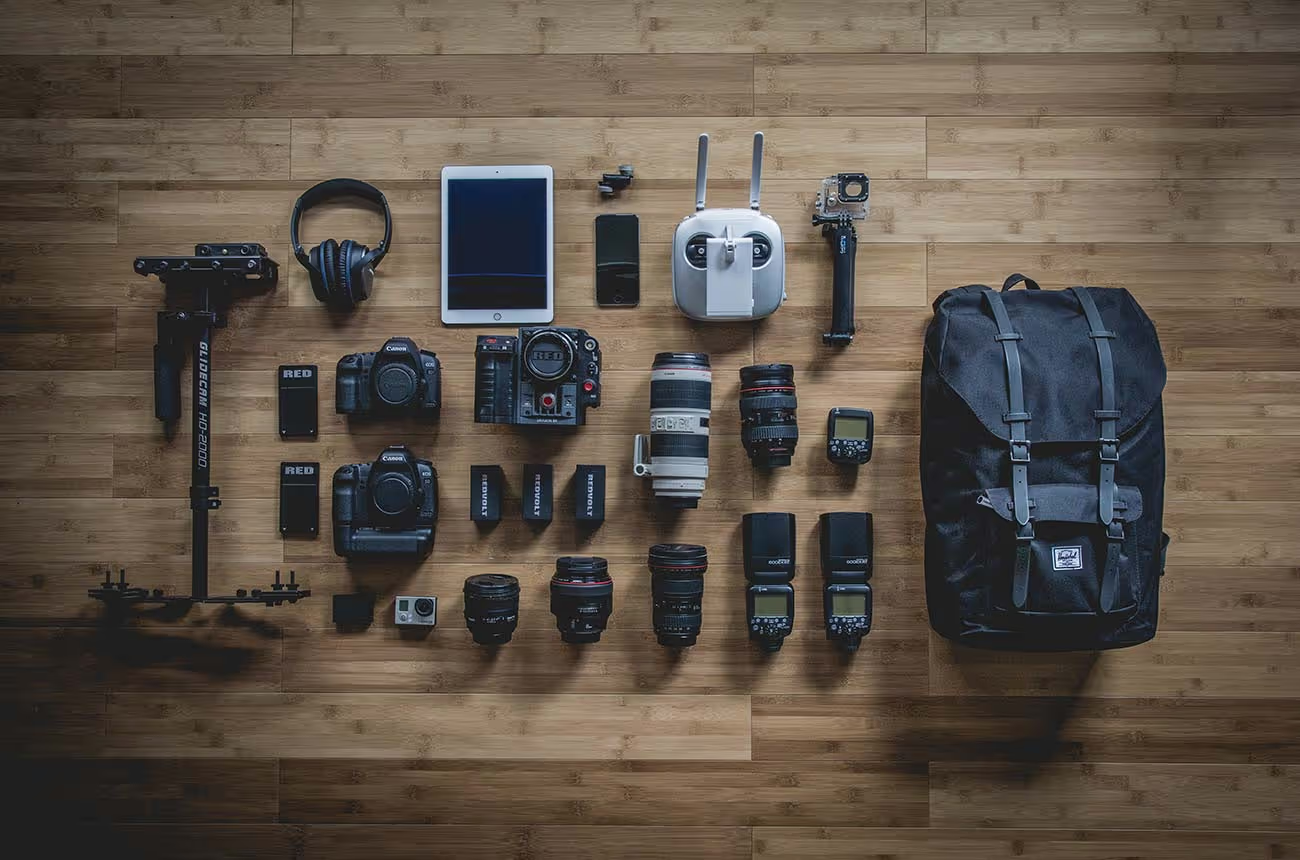
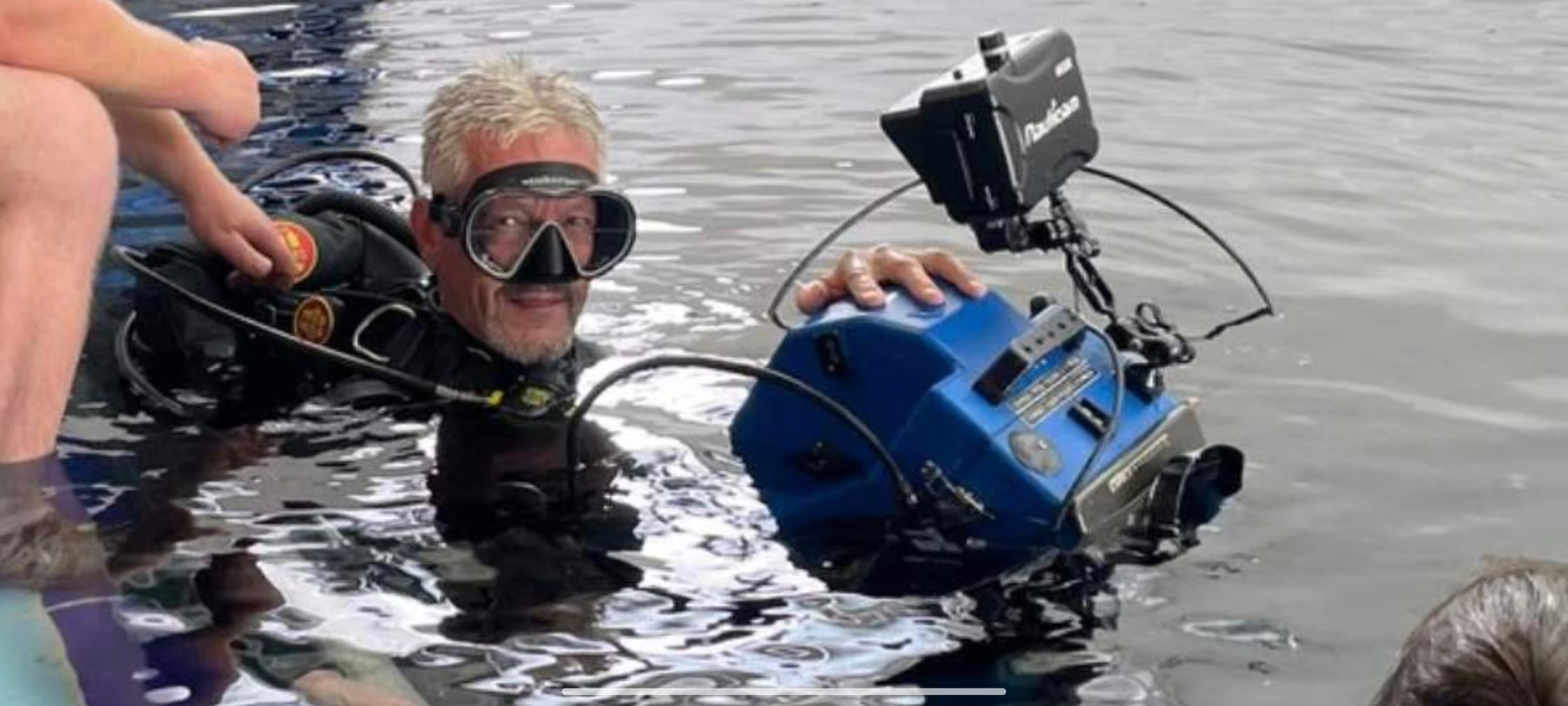
Murray Milne has spent over 35 working behind the camera in Aotearoa, starting out as a clapper loader on Goodbye Pork Pie and going on to work in film, television, and specialist filming. His work includes aerial and underwater shoots, where technical skill and a love of the outdoors come together.
What was your very first job on set and what did you learn from it?
Shaving kiwifruit to provide the whiskers for a shaver commercial - a great introduction to the tricks that we do that no one else will ever know.
What or who inspired you to start working in film?
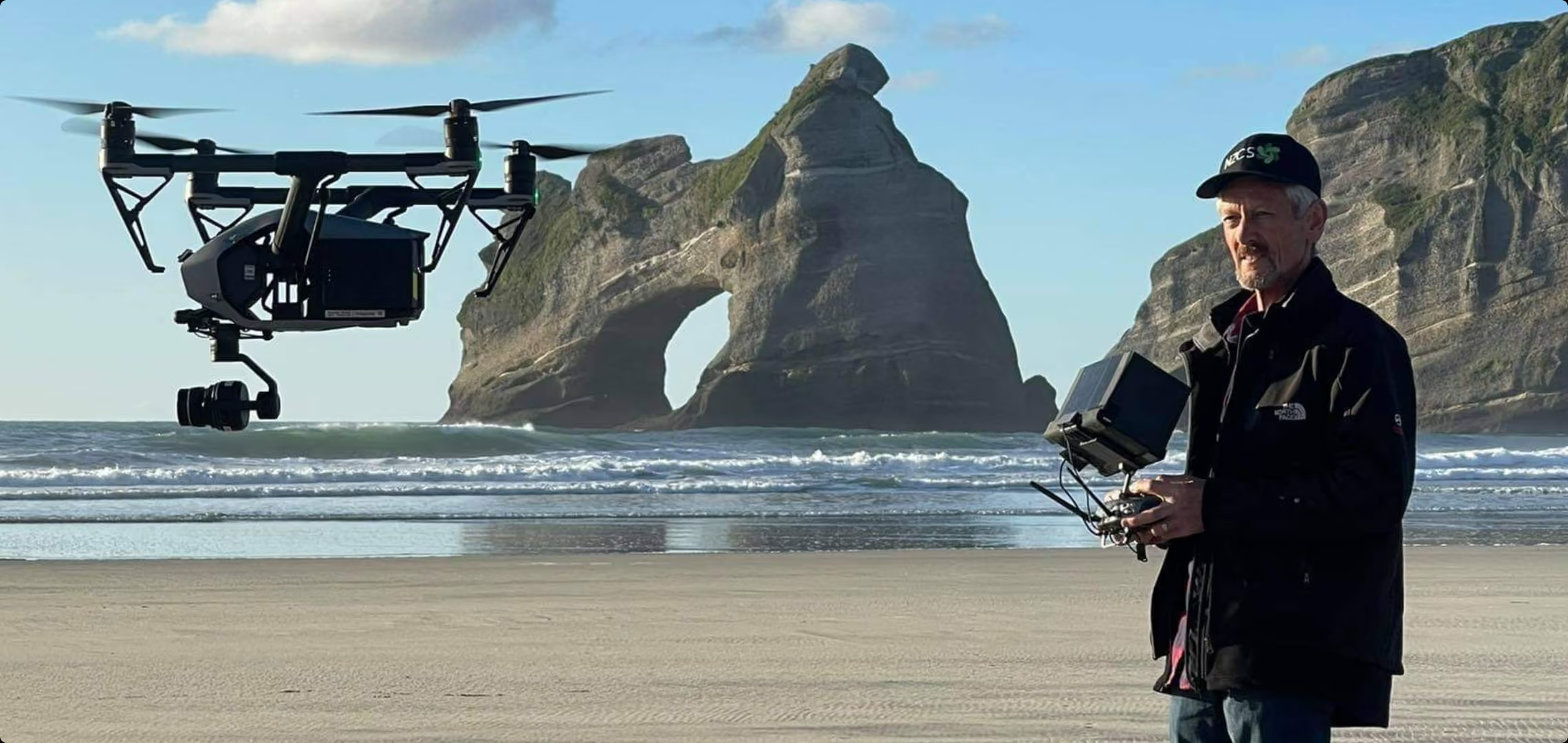
I did still photography first and was very lucky to be standing in the office doorway when someone said they were looking for a junior to start in their film company. When they kept me on as Clapper Loader on the first Goodbye Pork Pie movie, I was hooked forever. I’ve always loved all sorts of outdoor sports, so this job has excited me by being able to take cameras with me when skydiving, skiing, climbing, diving and flying - what’s not to love about that! I still work underwater, in helicopters, and fly drones, so it has been a fantastic career.
What advice would you give to those starting working in the industry?
Do something you love, then it doesn’t always feel like work.
Who have been the biggest influences or mentors in your career?
Graeme Cowley mentored me throughout my early years and had me involved in films such as Utu and Carry Me Back.
What keeps you passionate about working in film?
I love the people I work with, I love feeling creative, I love the adventures we get to be involved in, and I love the techy stuff we get to delve into.
What part of your job gives you the most satisfaction?
Creating exciting images, and then getting to see them on screen.
What’s one lesson the screen industry has taught you?
Don’t be late - be early, and be well prepared at least the day before, if not before that.
How do you define success in your work?
When others are delighted by what we create, or if we can convey emotion or have an emotional response to what we’ve captured or created.
How do you think the NZ screen industry could better support crew?
More continuous work instead of the boom or bust we’ve had for the last five years.
What changes would you like to see in the next five years?
More mentorship for those starting out. It’s very disappointing for those who have one good work experience but then cannot find any other follow-up work.
How does working in Aotearoa compare to other places you’ve worked (if applicable)?
We breathe better air.
What do you think makes NZ crew unique?
The “can-do” attitude, and the caring about the story.
How do you see technology shaping the future of our industry?
Hopefully we can use it to add to or aid our work. I do not want to see it take away our work. Humans first created the work that AI re-packages, so we must allow humans to keep being creative.
How has being part of the Guild supported you or your peers?
The Blue Book has been the founding agreement between producers and crew for agreed working conditions in NZ, and it has remained a fair and reasonable document over all these years.
What’s one thing you wish every crew member knew about the Guild?
That it’s run by volunteers since its inception in the mid-1980s.
Coffee order or go-to snack on set?
Hot chocolate or tea, especially if working in the water all day. I need liquid food, like smoothies, since heavy spicy food is not great when diving. Little and often is better than one big meal that makes you feel sleepy.
Favourite filming location in NZ?
Queenstown, or anywhere in the lower South Island. Actually, anywhere outdoors.
What’s one skill or habit that helps you get through long shoot days?
Stay busy - the day passes quicker than just waiting around.
If you weren’t in film, what would you be doing instead?
Aircraft pilot.
No items found.