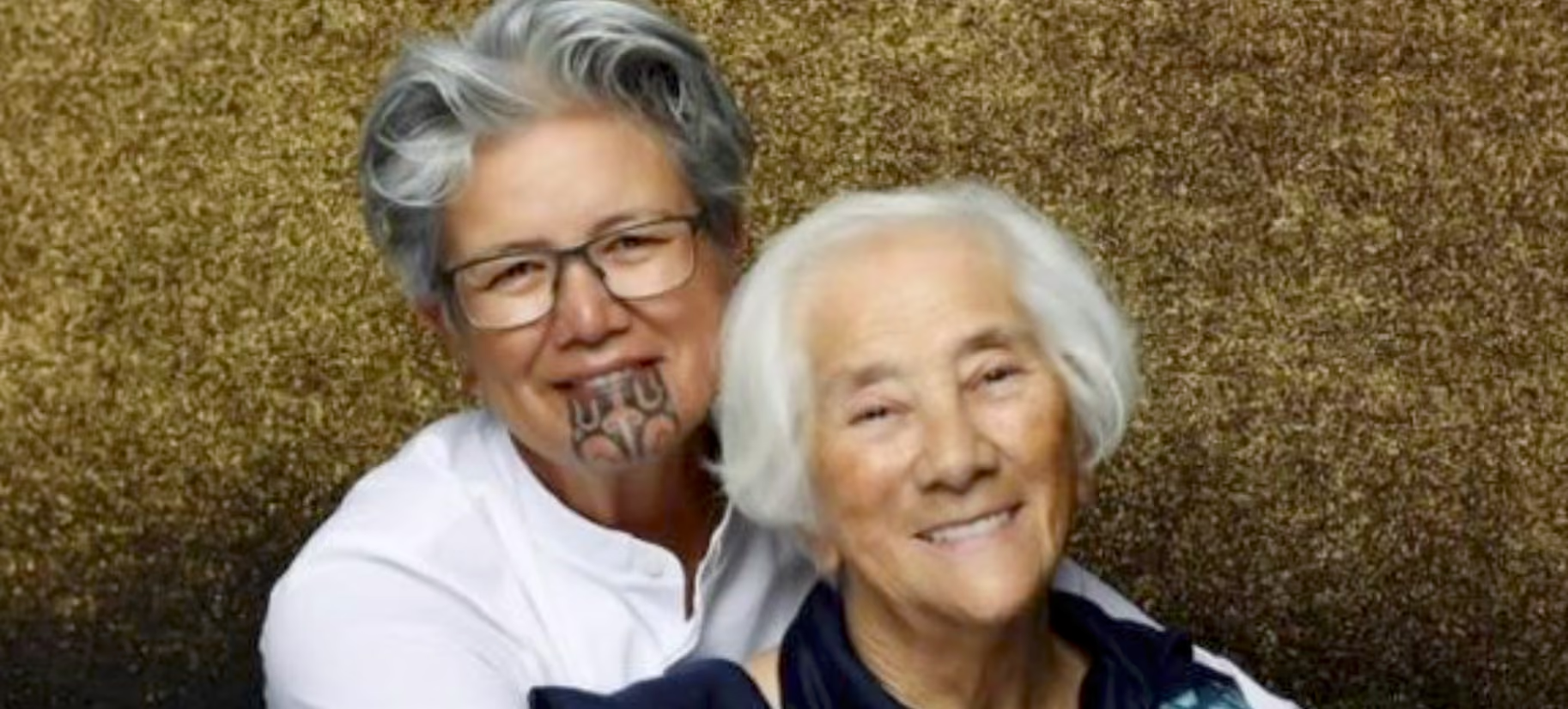
Special Tribute - Sharon Aroha Hawke (1962 – 2026)

Sharon Aroha Hawke
(1962 – 2026)
Sharons’ lifetime advocacy and love for Ōrakei and Ngāti Whatua has in recent years been well documented. Thanks in part to her outstanding service in the myriad of governance roles she held, coupled with her zest and joy for all kaupapa she took on, she was a tour de force.
Her pioneering roles as takatapuhi wahine Māori in film, television and her contributions to the collective Māori actions that secured the foundations of the world class Māori media sector we enjoy in 2026, is not widely documented.
In the mid 1990’s Sharon was the only Māori wahine cinematograper, and at the time, one of two women in the NZ film and television industry to have attained that position.
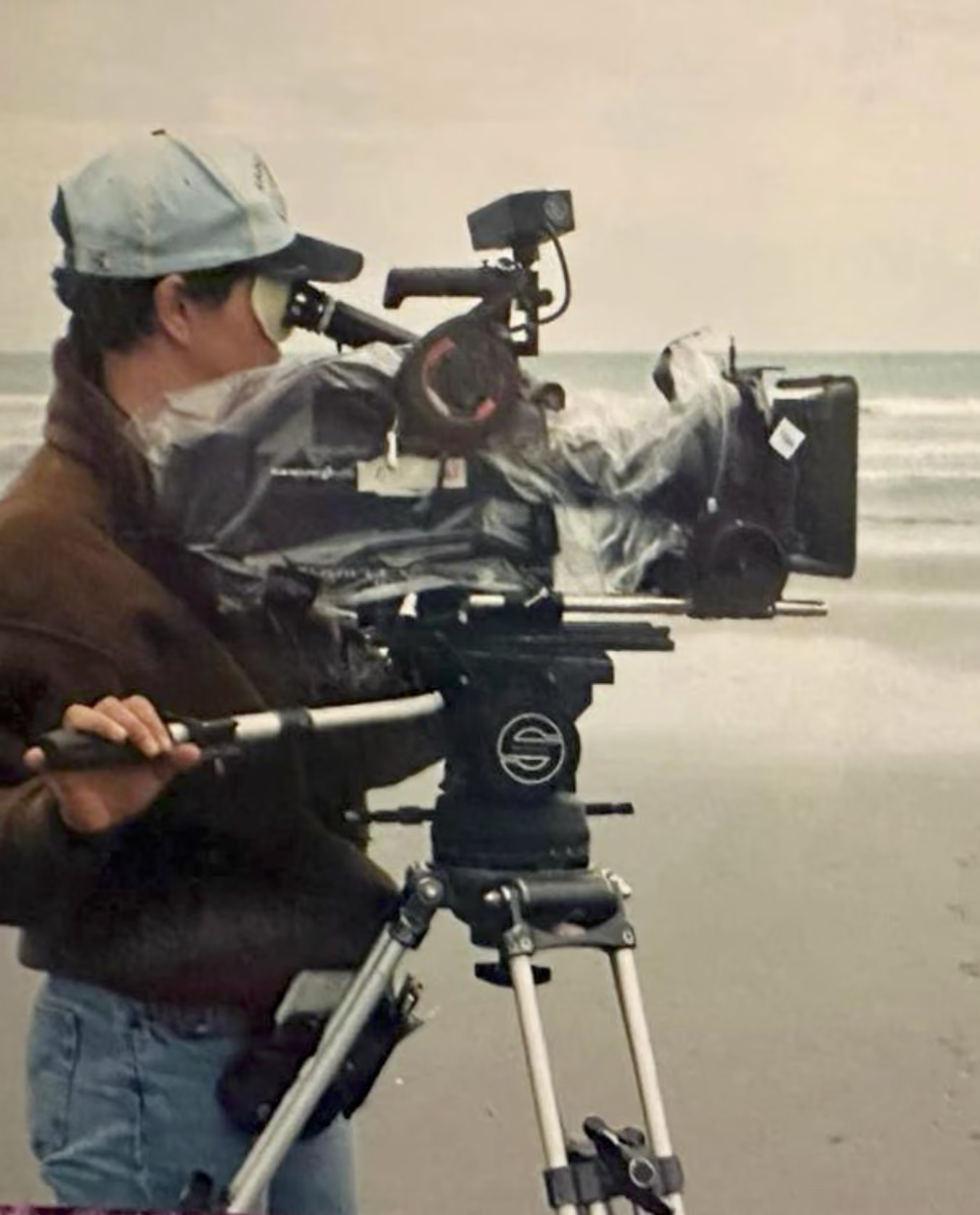
She started at Television NZ 1988 the only wahine Māori in the camera department on the Kimihia Māori Affairs training scheme for fifty rangatahi Māori.
Her initial TVNZ training was led by legendary journalist Whai Ngata and producer Ernie Leonard who headed the TVNZ Māori department.
Sharon, unlike myself and the majority of our starstruck Kimihia peers, was no stranger to the media world.
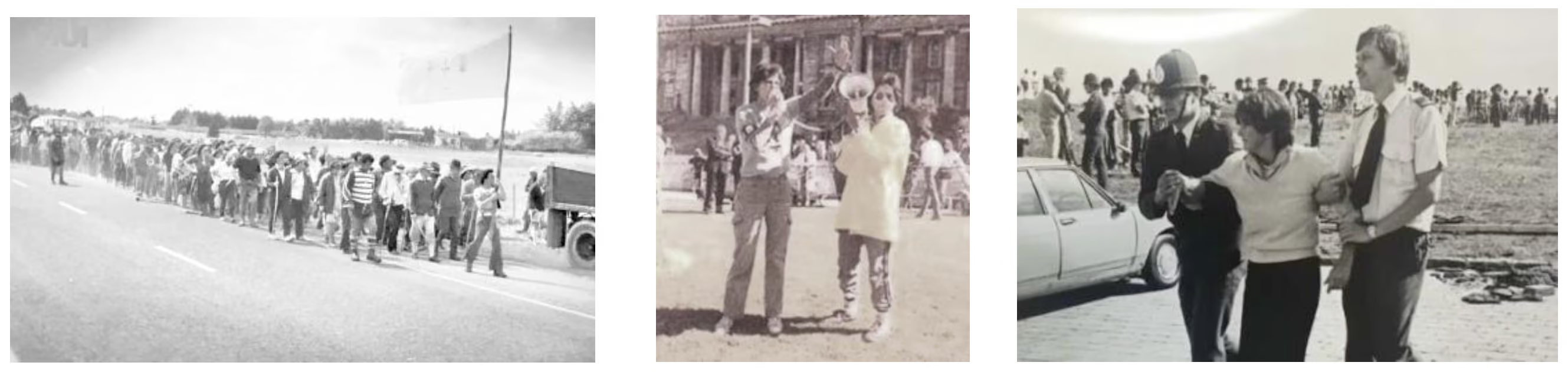
As a whanau member with parents Joe and Renee Hawke, they were on the 1975 Land March followed by the 1977 Bastion Point Takaparawharau fight for their home. Sharon as a young university student protested in the 1981 anti-Springbok rugby.
Her whanau, had been the targets of extreme and ongoing, legacy media scrutiny.
Despite this, an eclectic mix of media stalwarts, were regular visitors to their home, among them, Tama Poata Producer/Director/Writer, Merata Mita Director/Writer of the seminal ‘ Bastion Point Day 507 ‘ and local cinema distributor Barrie Everard.
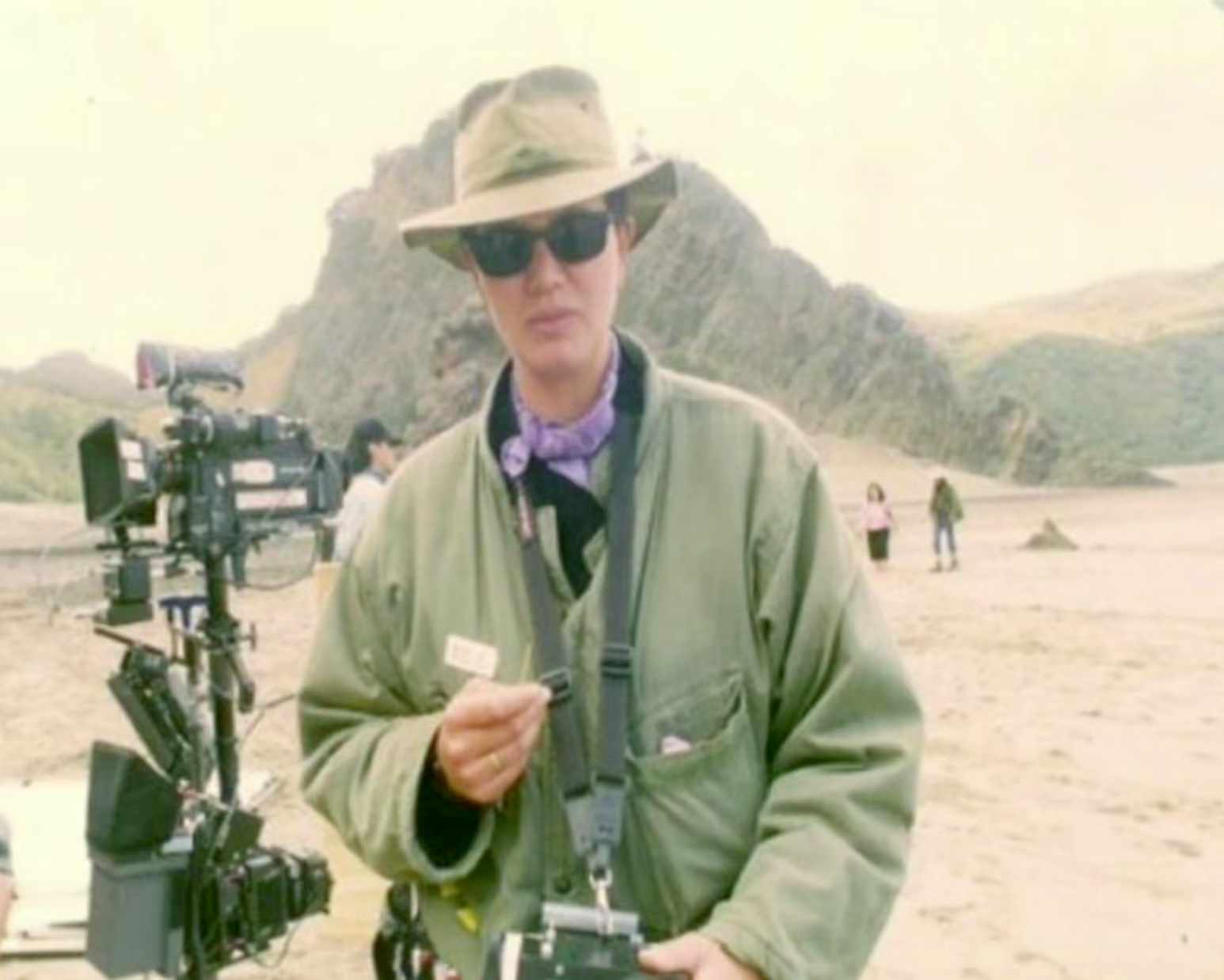
A cursory look at Sharons’ IMDB credits reveals she worked in the camera department on a diverse range of screen production from the years 1988 – 2005 from movies for Sir Peter Jackson and Lady Fran Walsh ‘Heavenly Creatures’ to ‘What becomes of the Broken Hearted ‘ dir Ian Mune.
Sharon and her peer group that by now included Don Selwyn screen graduates like Melissa Wikaire (Kua wheturangitia ia) and Ruth Panapa-Kapua, Therese Mangos, Gavin McLean, Henare Mato, Lee Allison, Joe Bidois, Martin Cleave, based out of Waiatarau, they were making NZ television and film, media history as pioneering Māori and Polynesian crew.
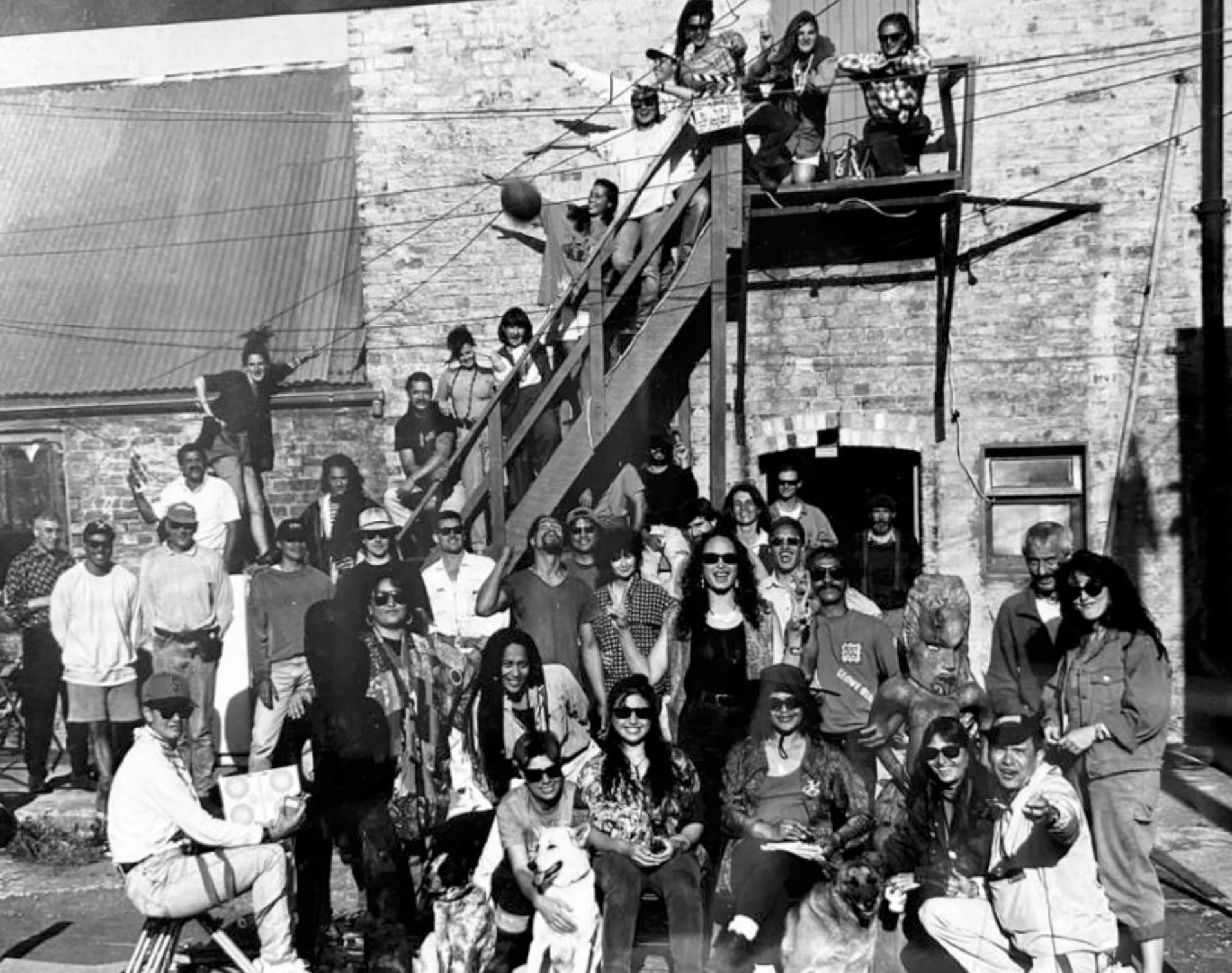
In screen governance, Sharon was an active and founding member of Ngā Aho Whakaari (NAW) Māori screen guild. As a Te Manu Aute media group member and then NAW board 1995 – 2004 she worked hard to increase Māori representation at all levels. of the screen industry.
Their collective achievements included;
- 1995 the first Māori Indigenous Film Festival was held in Ruatoki. Ramai Hayward as our screen kuia. Guests included Puhipau and Joan Lander (Hawaii) and Sami.
- Inclusion of tīkanga Māori concepts such as simple pōwhiri and karakia for the welcome start of all Māori led or Māori story productions.
- Māori language resources – Wi Kuki Kaa wrote the first crew production list in te reo - and teachers, like legendary te reo experts Keri Kaa, Lee Smith, ran courses at hui.
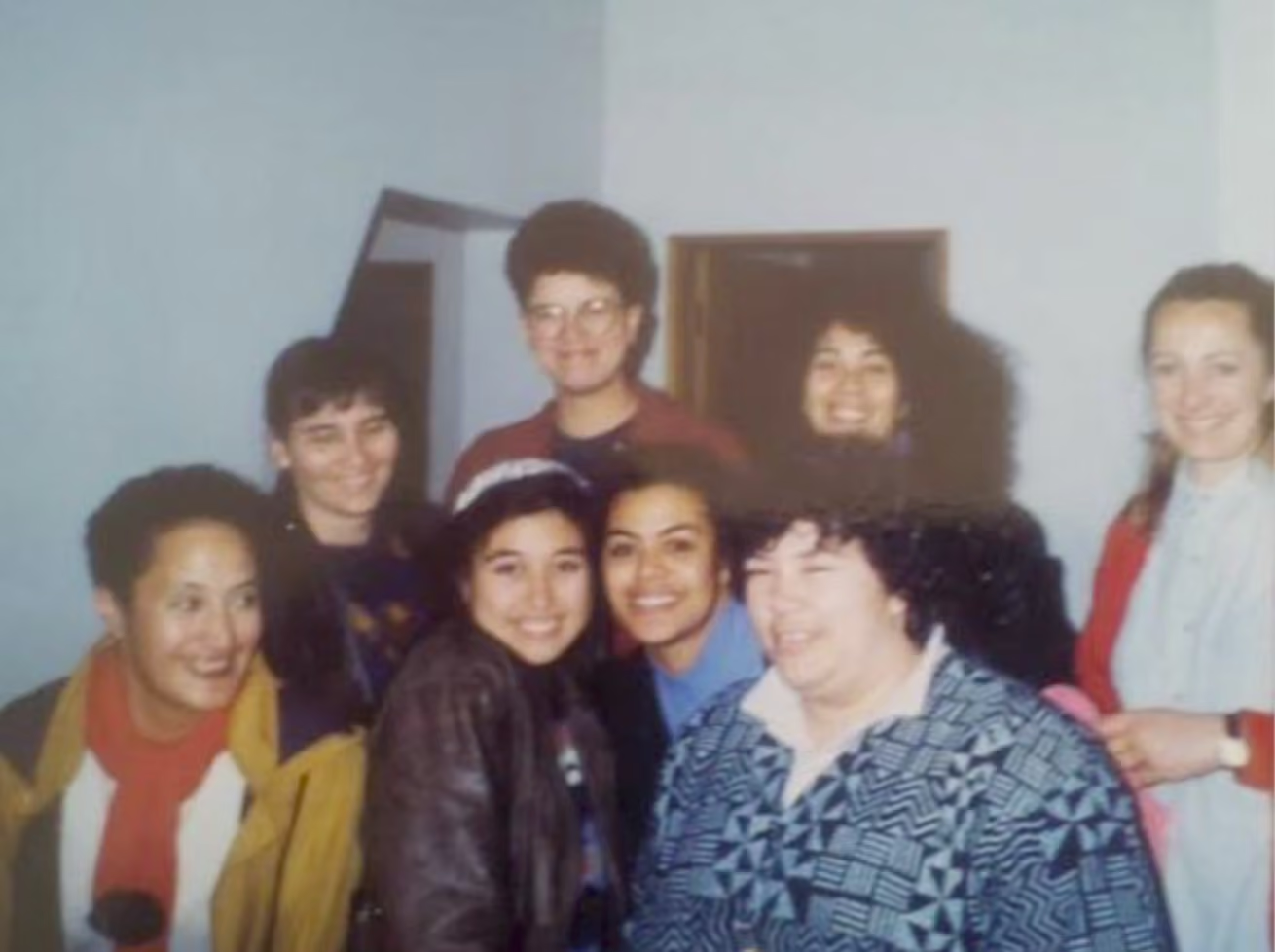
Sharon, an articulate and thoughtful advocate on behalf of the rights of Māori to tell Māori stories, was a formidable public speaker.
A well-known Māori producer greenlit for a television drama series, written by Māori but directed by all pākeha men was challenged by her at an open forum.
She appealed to the producers to employ directors that were Māori and also wahine Māori, to have the courage of their tupuna. While publicly the producers kept face, privately after the hui, their verbal commitment to Sharon for future paid work, disappeared.
Undaunted, Sharon continued on with Moko Productions a production company she had formed alongside Leonie Pihama and Glynnis Paraha.
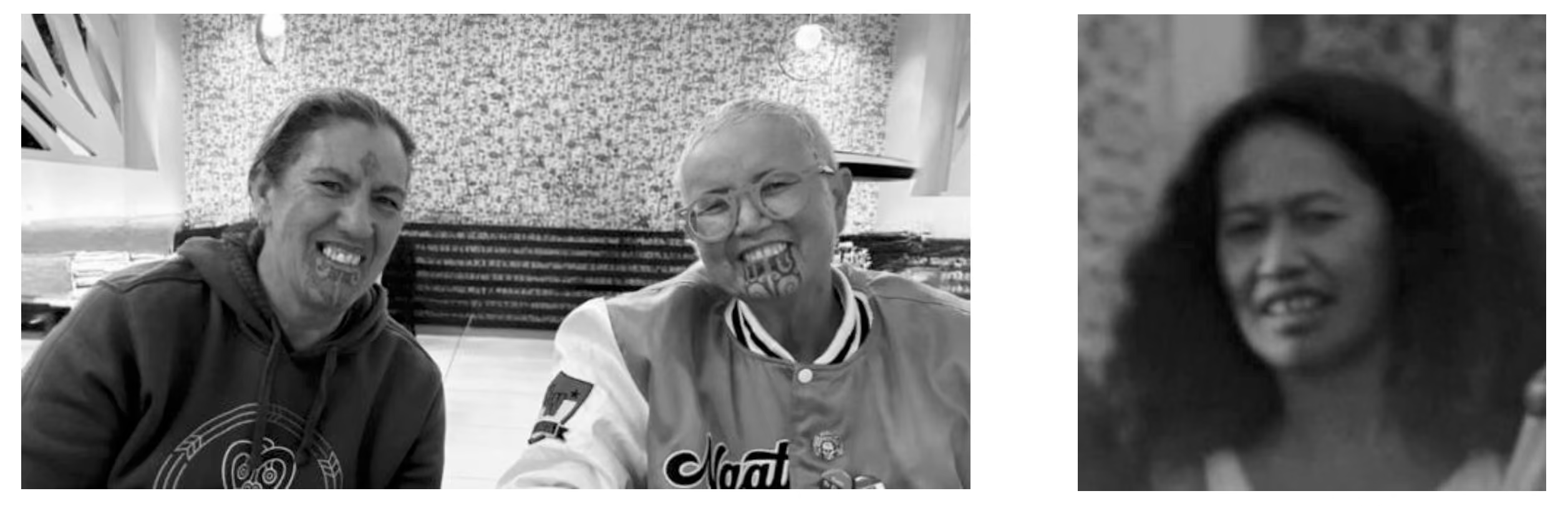
As independent producers, they created Māori documentaries ‘Moko Kauae’ and corporate content earning them in their first years of production, the film and television Wellington Accolades award, for courageous filmmaking.‘Bastion Point – The Untold Story’ produced by Sharon and Moko Productions with Morrison Grieve, screened on legacy media and garnered a local Peace award from the Peace community.
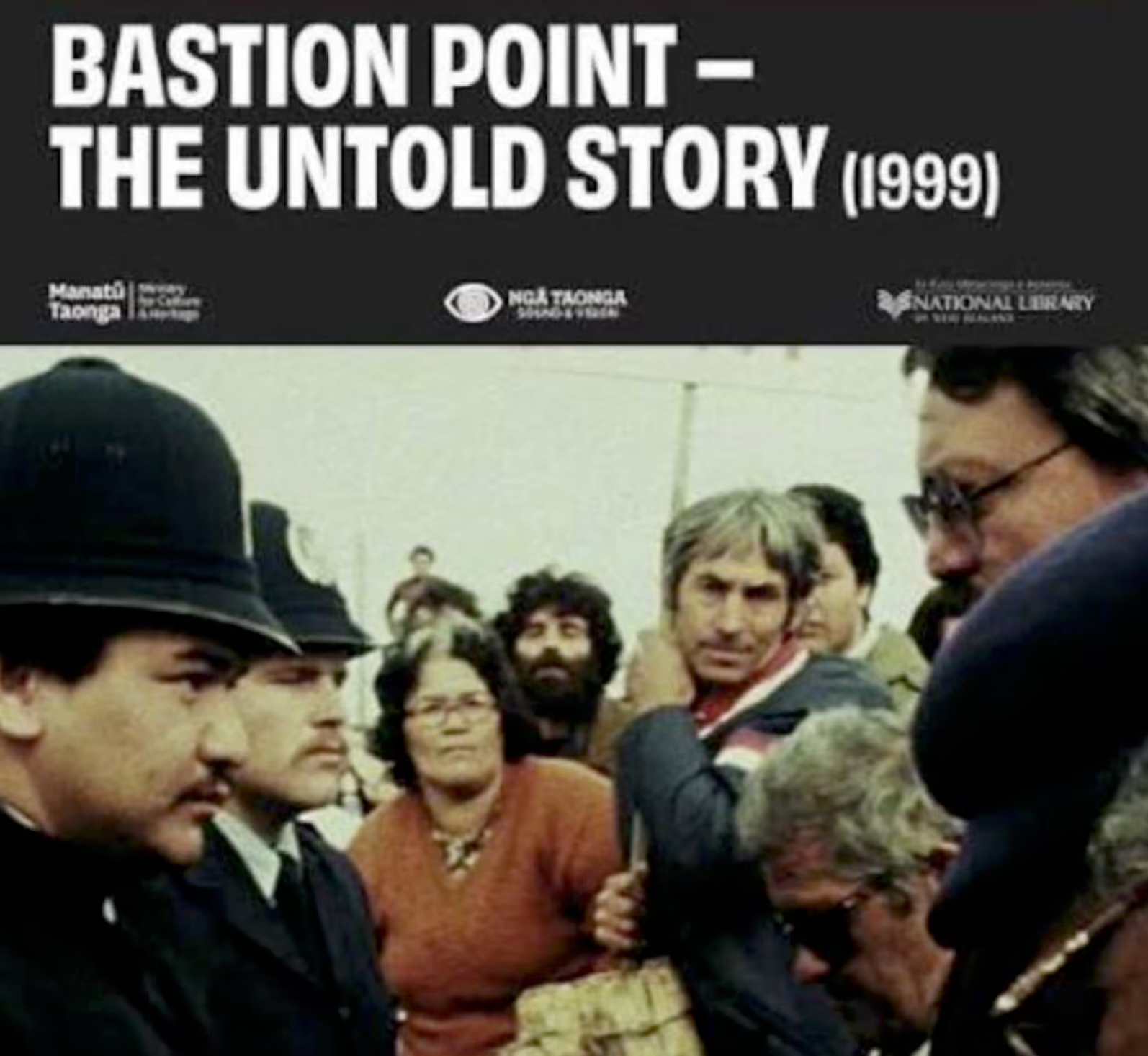
The Hawke whanau and Ngāti Whatua by extension, were roped into supporting Sharon and her Māori screen colleagues.
The first NZ film and television (NZFTV) conference to be held in Tamaki circa 1991 (the fore-runner to SPADA and Big Screen Symposium) with Vincent Burke as President, was held at the then Sheraton Hotel.
With Keri Kaa, still on the powerful NZ Film Commission Short Film Development fund and one of the funders, the organisers were made aware, Māori participation, not just as attendees, was expected. NAW board thru Sharon brought Taiaha Hawke and Ngāti Whatua Te Puru to open the 300 + strong conference, in an absolute hau kainga response. Ella Henry and Leonie Pihama along with Māori TVNZ staff were presenters. It was unheard of and many present wanted to know why a Māori welcome and speakers had been included in a film and television conference. The irony in Tamaki, the Polynesian capital of the world.
Te Manu Aute and Ngā Aho Whakaari early screen hui by contrast, were very much Māori made affairs. Some of the amazing film guests, courtesy of Merata Mita and Barry Barclay contacts, were Gerry and Lester Bostock (Australia) Puhipau and Joan Lander (Hawaii) then Alanis Obasawin (Canada) Rachel Perkins (Australia) Trin T Minh-Hah (Vietmanese, USA)
With global indigenous filmmakers inspiration, Sharon continued to pursue her cinemataography goals, and joined the now legendary American owned television series ‘Xena Warrior Princess’ starring Lucy Lawless with Renaissance producers Rob Tapert, Bruce Campbell and Sam Raimi.
In her spare time, Sharon made indie shorts on film. She was the DOP on ‘ Hei Tiki’ the first Aotearoa all wahine film crew starring a then, recent Toi Whakaari graduate, Tanea Heke finished on 35mm.
Indie shorts made by grace and favour of screen colleagues and with Sharons’ sense of social justice made her a natural for screen workers issues on the many productions she worked on.
Her at times searing analysis, with an unerring eye for kaupapa Māori cost her jobs and friends.When the first CEO of Māori Television, in 2004 was announced as a Canadian white man, Sharon protested to get him removed, and sought support from her fellow Ngā Aho Whakaari board members. When that failed, she publicly chastised the then Māori Television board and resigned from Ngā Aho Whakaari.
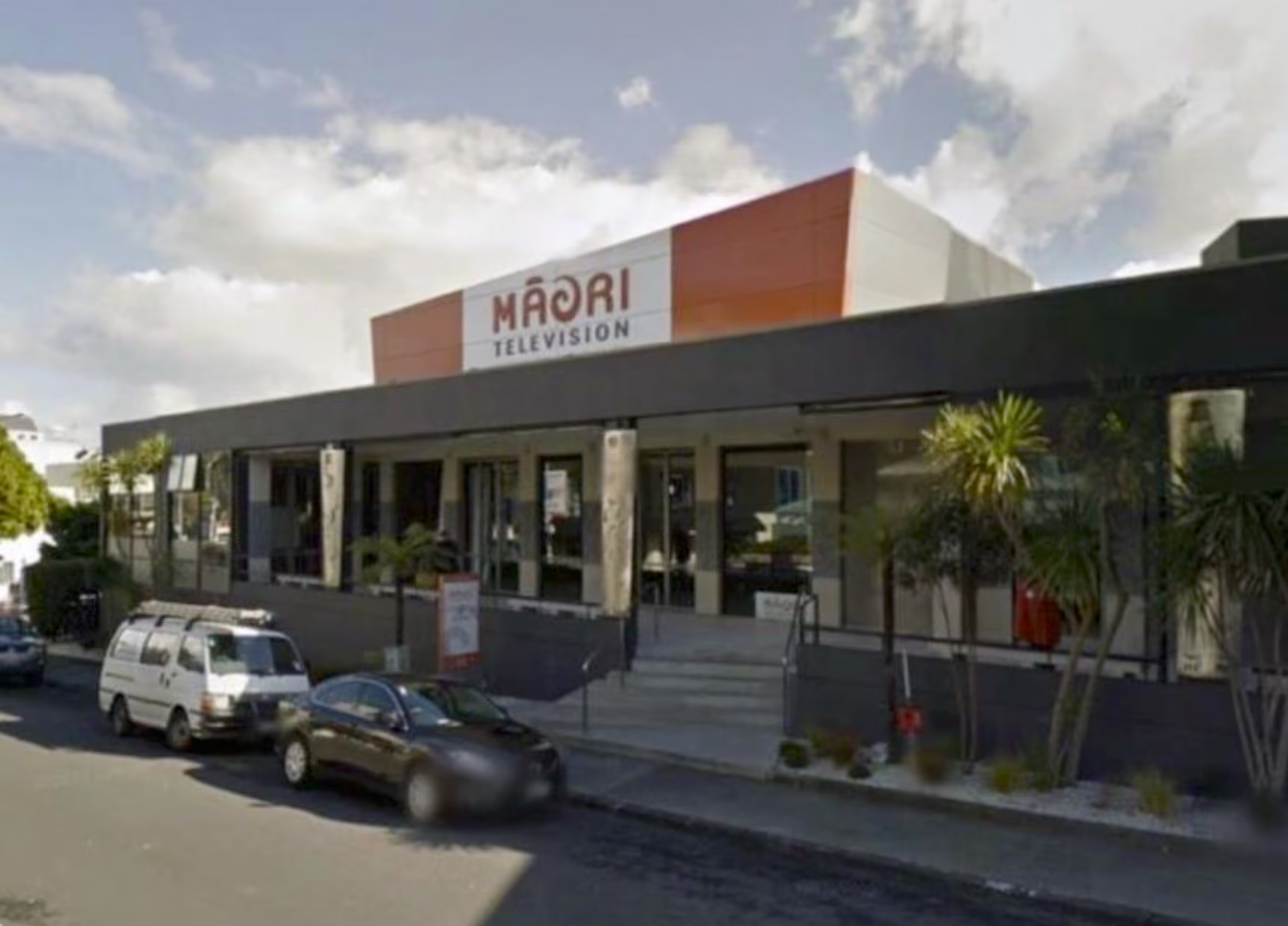
When the Canadian, not long after, was revealed as a fraud and imprisoned with a Māori appointed to the CE role, Sharon would just shrug. The upshot of her protest resulted in the NAW board with other critics Don Selwyn and Barry Barclay also canceled from the invite opening events. In true Sharon style, her Ngāti Whatua mana whenua team extended their invitations to include Māori screen professionals who had contributed to the channel.
One of the first wahine Māori to produce a current affairs show for Māori Television, Sharons’ start was not all plain sailing. Several years – and CEO’s later after the opening of Māori Television – Sharon applied for the role of Producer on a new weekly one hour current affairs show and got it.
The name for the new show, she decided, had been used extensively in early NZ settler legislation. She sought to transform this phrase, from its somewhat punitive past connotations, into a positive future for Māori. The Māori Television executive team of the day, called a meeting to discuss if this new name was appropriate, and in 2007, ‘Native Affairs’ was launched.
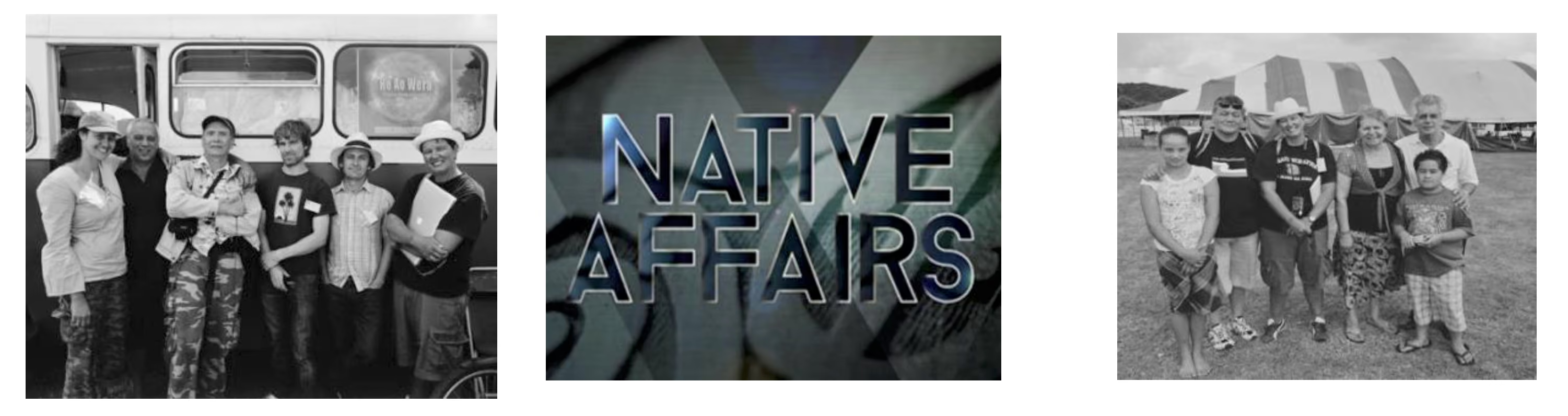
‘Native Affairs’ team included outstanding journalist and te reo Māori broadcaster associate producer, Wena Harawira as well as respected pākeha media current affairs Executive producer, Colin McRae. Julian Wilcox, already a Māori Television household name, was the presenter.
During Sharons’ tenure as producer of the show, noted Journalist, Tina Wickcliffe recalls, it was Sharon who first encouraged her to consider anchoring current affairs, while a rookie journalist, Orini Kaipara remembers she earning a role here too.
With Sharon, the team were nominated in the national TV awards, the first Māori television current affairs show to do so. Shortly afterwards, Sharon left the show and Māori Television.
Taking up her iwi and whanau duties, she was based out of Papa Joes’ office on the side verandah of the old dining room at Takaparawharau.With rising responsibilities as a parent and daughter, along with her iwi mahi, this lessened her participation in the Māori screen sector.
2019 the first day of principal photography of my first feature film ‘Taki Rua Theatre –
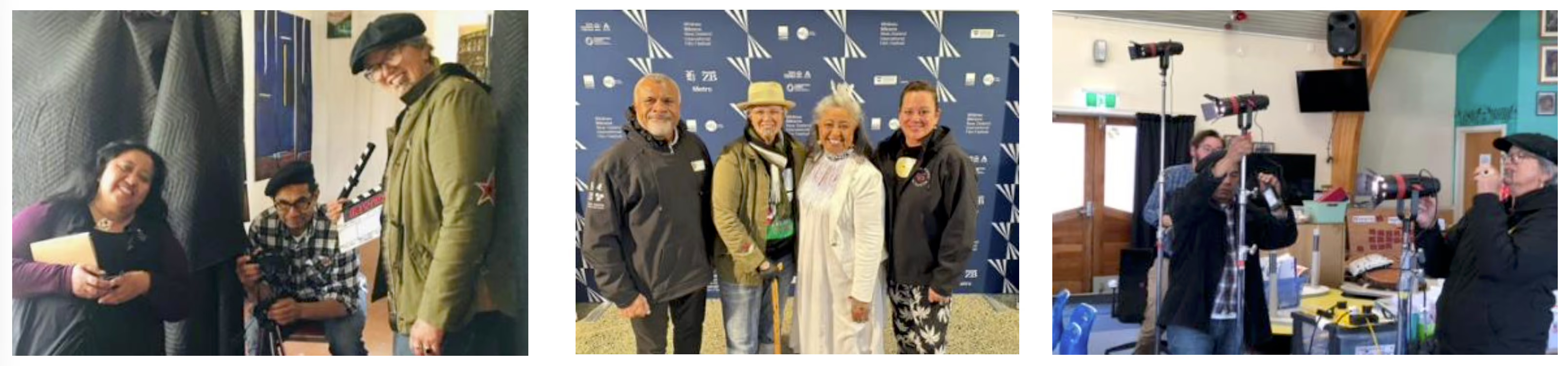
Breaking Barriers’ – a dream - Sharon arrived serendipitously to work with Fred Renata and our team. Thank you Lope for that time!
In 2024 when the film opened in Tamaki, Sharon lauched it at the Waterfront theatre with with Lope, Kataraina Pipi, making good on our promise as wahine Māori to make feature film, made by and about us.
These last years since her cancer diagnosis, Sharon faced with characteristic unblinking optimism to live life to the fullest, along with the love and devotion of Lope, Tuti and moko it has been a powerful inspiration.
I salute my fellow Infantry sisters led by the equally fiercely devoted Manu for our fulfillment of the promise made and kept for three years, to meet for daily karakia for Sharon, Lope and whanau.
Farewell to our beloved Sharon Aroha Hawke, shining brightly as you journey on, boosted on the winds of the great Tāwhirimatea cyclone, Vaianu Sharon.
Whiu atu te roimata a Rangi he koha ki a Papa, aue, taukiri e!
He tohu aroha ki te mokemoke a te ngākau i to wehengā ki te arai.
Haere atu ra, ki te taha o to matua tupuna e! Hei tiramarama, hei korowai whetū!!
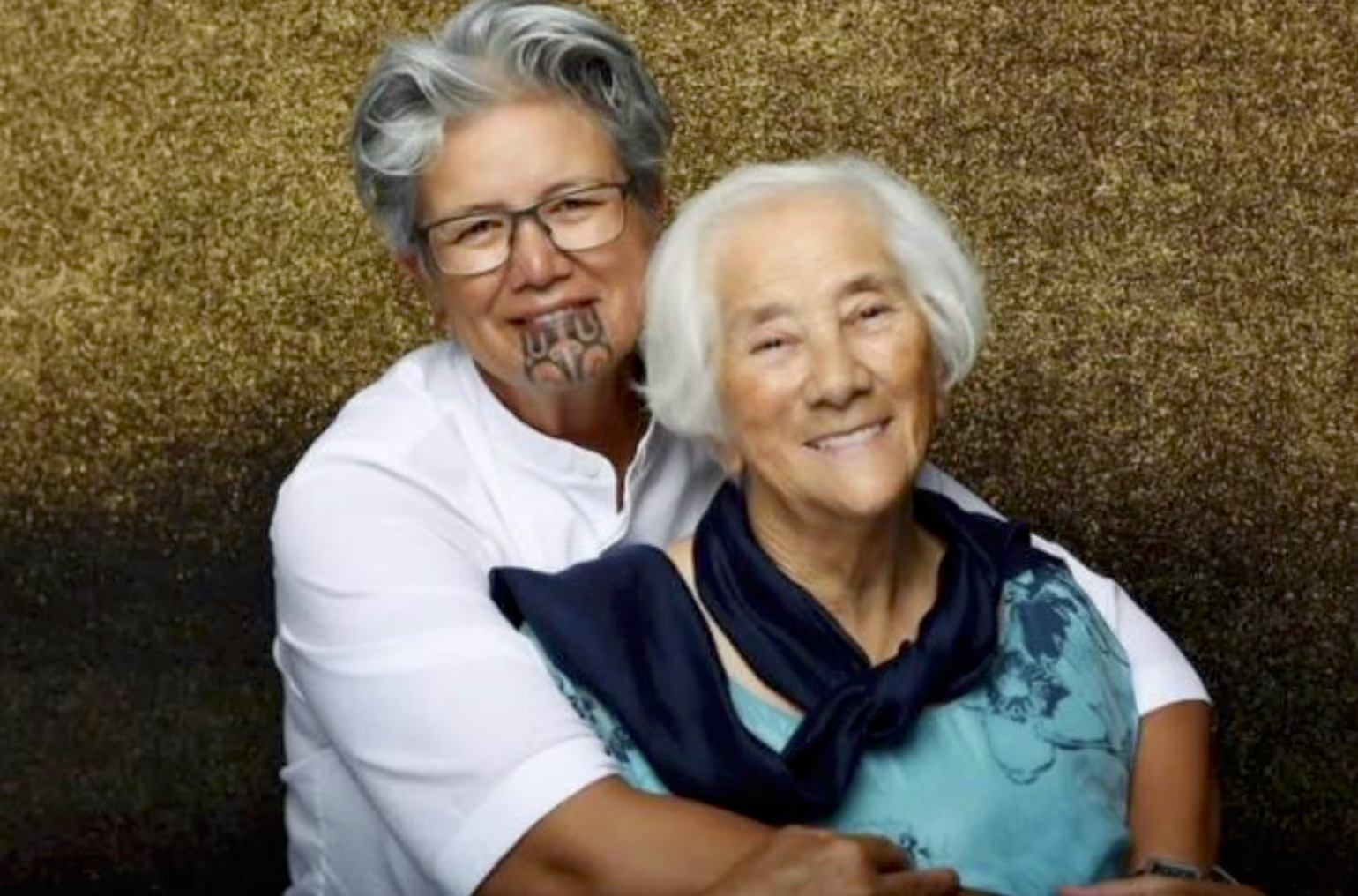
Nā Whetū Fala
Screen industry assistance:
Christina Asher, Sandra Richmond, Hineani Melbourne, Annie Frear, Dr Ella Henry, Dr Leonie Pihama, John Miller, Raiha Stirling, Pauline Pohatu, Liz Di Fiore, Linda Te Moana, Therese Mangos, Anna Gundersen, Lanita Ririnui, Anahera Higgins, Mechele Heron, Robyn Leigh Cowan, Sandi Bell, Kara Dodds, Karen Sidney, Lawrence Makoare, Kale Richmond, Waka James, Neil James.
All pictures courtesy (In appearance order)
- Karen Sidney - Kahu & Maia He Taongā Films
- National Library NZ - 1975 Land March
- Kereama Pene, 1981 Anti-Springbok Tour
- Ngāti Whātua Takaparawharau 1977 – Rene Hawke
- Karen Sidney – Kahu & Maia He Taonga Films
- Karen Sidney – Ngā Puna Dramas, He Taonga Films
- Whetū Fala – Māori Line Producers training Jane Gilbert. Te Manu Aute
- Leonie Pihama – Moko Productions with Glynis Paraha IMDB Avondale Dogs
- Ngā Taonga screening Poster – Untold Story – Bastion Point
- Māori Television – Newmarket NZ Studios
- NZ Onscreen – Native Affairs
- John Miller – Sharon Hawke at work with Māori Television crew, Te Taitokerau
- Whetū Fala – Set and opening ‘Taki Rua Theatre – Breaking Barriers’feature documentary
- Sharon Hawke – Sharon and Rene Hawke.